How To Make A Delicious Latte With Drip Coffee At Home
Making a latte with drip coffee is one of the easiest ways to enjoy a café-style drink at home. You just need drip coffee, steamed milk, and a few simple tools. This guide walks you through every step, from brewing the perfect strong coffee to frothing milk like a pro. You will learn the right ratios, common mistakes to avoid, and expert tips for a creamy, rich latte every single time.
There is something deeply satisfying about making a warm, creamy latte in your own kitchen. You do not need a fancy espresso machine or a trip to your favorite coffee shop. With a simple drip coffee maker and a few household items, you can craft a latte that rivals anything you would buy at a café.
Making a latte with drip coffee is one of the best-kept secrets among home coffee lovers. It saves money, gives you full control over ingredients, and takes only minutes. Whether you are a morning coffee drinker or someone who enjoys an afternoon pick-me-up, this method fits right into your routine.
In this guide, we will walk you through every single step. You will learn how to brew strong drip coffee, steam and froth milk, combine everything just right, and add your own personal touches. By the end, you will be making delicious drip coffee lattes like a pro.
Key Takeaways
- Drip coffee makes a great latte base: You do not need an expensive espresso machine to enjoy a creamy latte at home.
- The right coffee-to-milk ratio matters: A good starting point is one part strong drip coffee to two parts steamed milk.
- Frothed milk adds the signature creamy texture: You can froth milk using a whisk, French press, or handheld frother.
- Customization is easy: Add sweeteners, flavors, or spices to make your latte uniquely yours.
- Avoid common mistakes like weak coffee or cold milk: These small errors can make or break your homemade latte.
📑 Table of Contents
- Why Make a Latte with Drip Coffee?
- What You Will Need to Make a Drip Coffee Latte
- How to Brew the Perfect Strong Drip Coffee for Your Latte
- How to Steam and Froth Milk for Your Latte
- How to Combine Coffee and Milk Like a Pro
- Creative Variations and Flavors to Try
- Common Mistakes to Avoid When Making a Drip Coffee Latte
- Expert Tips for the Best Drip Coffee Latte Every Time
- How a Drip Coffee Latte Fits Into Your Daily Routine
- Conclusion
Why Make a Latte with Drip Coffee?
You might be wondering why anyone would use drip coffee for a latte instead of espresso. The truth is, drip coffee works surprisingly well. It is accessible, affordable, and most people already have a drip coffee maker sitting on their countertop.
Here are some real reasons to try this method:
- Cost savings: A latte at a coffee shop can cost five dollars or more. Making one at home costs pennies per cup.
- Convenience: You do not need to leave your house or wait in line. Just brew and enjoy.
- Customization: You control the strength, sweetness, milk type, and flavor every single time.
- No special equipment: A drip coffee maker, a pot, and a whisk are all you need to start.
- Less waste: You skip the paper cups, plastic lids, and straws that come with takeaway drinks.
Once you master the basic drip coffee latte recipe, you will never go back to buying expensive coffee drinks. It is a small change that makes a big difference in your daily routine.
What You Will Need to Make a Drip Coffee Latte
Before you start, gather your tools and ingredients. The list is short and simple. You probably already have most of these items in your kitchen right now.
Ingredients
- Drip coffee: Use fresh ground coffee for the best flavor. A medium to dark roast works great for lattes because it produces a bold, rich taste.
- Milk: Whole milk froths the best and gives you that creamy texture. You can also use oat milk, almond milk, or any milk you prefer.
- Sweetener (optional): Sugar, honey, vanilla syrup, or flavored creamers all work well.
- Extra flavorings (optional): Cinnamon, cocoa powder, or vanilla extract add a nice touch.
Equipment
- Drip coffee maker: Any standard drip brewer will do. If you want stronger coffee, use a slightly finer grind or add an extra scoop of grounds.
- Small saucepan: You will use this to heat and steam your milk on the stovetop.
- Whisk or frother: A handheld milk frother works great. A regular whisk or even a French press can also do the job.
- Mug: A large mug holds about 10 to 12 ounces, which is perfect for a standard latte.
One thing to keep in mind is that your drip coffee maker should be clean. Residue from old brews can affect the taste of your coffee. If you use a toaster oven or air fryer in your kitchen for other tasks, keeping all your appliances clean matters. For example, if you own a Cosori air fryer toaster oven, regular cleaning helps it perform better. The same principle applies to your coffee maker. Clean equipment means better-tasting coffee every time.
How to Brew the Perfect Strong Drip Coffee for Your Latte
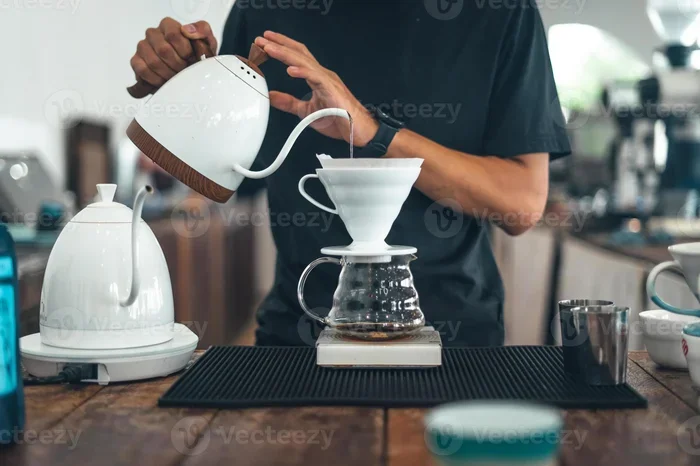
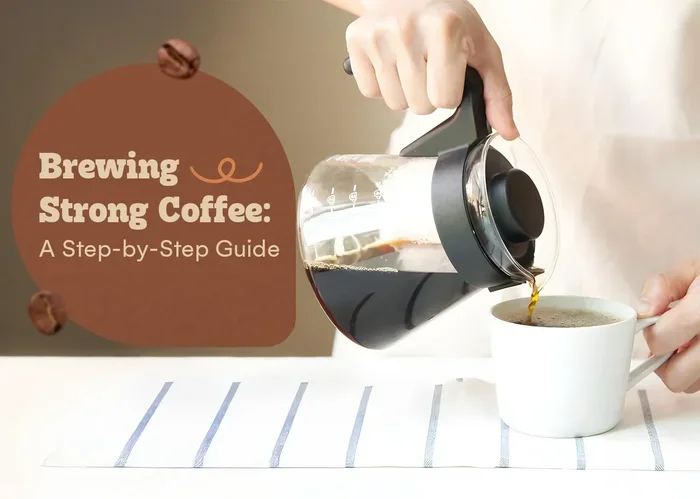
The foundation of any great latte with drip coffee is the coffee itself. Since you are not using espresso, your brew needs to be stronger than usual. This ensures the coffee flavor holds up when mixed with milk.
Step 1: Choose the Right Coffee Grounds
Use freshly ground coffee if possible. Pre-ground coffee loses flavor quickly. A medium to dark roast gives you that deep, rich flavor that pairs beautifully with steamed milk. If you like a stronger taste, go for a dark roast.
Step 2: Use More Coffee Than Usual
For a regular cup of drip coffee, you might use one tablespoon of grounds per six ounces of water. For a latte, increase that to one and a half to two tablespoons per six ounces. This stronger brew stands up to the milk without tasting watered down.
Step 3: Brew a Smaller Batch
Instead of making a full pot, brew just enough for one or two cups. Most drip coffee makers let you brew a single cup using the pause-and-pour feature. If yours does not, simply brew a full pot and save the extra for later. Fresh coffee always tastes best.
Step 4: Let It Cool Slightly
Do not pour piping hot coffee directly into your milk. Let it sit for about two to three minutes. This prevents the milk from cooling down too fast when you combine them. Warm coffee blends more smoothly with steamed milk.
Here is a quick comparison of coffee strength for lattes:
- Regular drip coffee: 1 tablespoon per 6 ounces of water. Good for milder lattes.
- Strong drip coffee: 1.5 to 2 tablespoons per 6 ounces. Best for bold, café-style lattes.
- Extra strong drip coffee: 2 to 2.5 tablespoons per 6 ounces. Ideal if you like very rich coffee flavor.
Finding the right strength is all about personal preference. Start with the standard ratio and adjust from there. Once you find your perfect balance, stick with it. Consistency is key to making a great latte every time.
How to Steam and Froth Milk for Your Latte
This is the step that turns plain coffee into a real latte. The steamed milk creates that velvety, creamy texture we all love. You do not need an expensive espresso machine to achieve this.
Method 1: Stovetop Heating and Whisking
Pour your milk into a small saucepan. Heat it over medium-low heat. You want the milk warm, not boiling. Watch it closely. You will see small bubbles forming around the edges. That is the sweet spot. Remove it from the heat right away.
Now grab a whisk and start beating the milk vigorously. Move the whisk back and forth quickly. Within about thirty to sixty seconds, you will see the milk become frothy and slightly thicker. Pour it right into your coffee.
Method 2: Using a French Press
If you have a French press, this method is super easy. Heat your milk on the stovetop first. Then pour the warm milk into the French press. Pump the plunger up and down rapidly for about twenty to thirty seconds. The milk will foam up beautifully. This method produces a rich, creamy froth that looks almost like a latte from a coffee shop.
Method 3: Handheld Milk Frother
If you own a handheld frother, you already have the easiest option. Heat the milk in a microwave-safe mug for about thirty to forty-five seconds. Then insert the frother and move it up and down for about twenty seconds. The result is a smooth, silky foam that floats perfectly on top of your coffee.
No matter which method you choose, the goal is the same. You want warm milk with a layer of soft foam on top. The foam is what gives a latte its signature look and creamy mouthfeel.
Quick tip: if you are heating milk on the stovetop, stir it occasionally. This prevents a skin from forming on the surface. It also ensures even heating. If you are using a microwave, heat in short bursts of fifteen seconds and stir between each one. This gives you more control and prevents the milk from boiling over.
How to Combine Coffee and Milk Like a Pro
Now comes the fun part. Putting it all together. The order you combine the ingredients matters more than you might think.
Here is the best method:
- Pour the brewed coffee into your mug first. This gives you a base layer of strong coffee flavor.
- Add any sweetener or flavoring now. Stir it into the hot coffee while it is still hot. Sugar and syrup dissolve much better in hot liquid.
- Slowly pour the steamed milk into the mug. Pour it gently over the back of a spoon if you want to keep the foam separate. This creates layers.
- Top with the foam. Use a spoon to scoop the frothy foam onto the top of your latte.
- Add finishing touches. Sprinkle cinnamon, cocoa powder, or nutmeg on top for extra flavor and a beautiful presentation.
The beauty of a homemade latte is that you control every layer. You decide how strong the coffee is, how creamy the milk, and how sweet the whole drink turns out. No barista is making decisions for you.
One thing many people overlook is the temperature of the milk. If your milk is too cold, it will cool down your coffee too fast. If it is too hot, it can scald and taste slightly burnt. Aim for milk that is warm to the touch but not hot enough to discomfort your finger when you dip it in. That is the perfect range for a silky latte.
If you enjoy experimenting with kitchen appliances, you already know that each tool has its own quirks. Just like learning how to use a quick bake feature on a Frigidaire oven takes a little practice, perfecting your milk frothing technique comes with a bit of trial and error. Do not get discouraged if your first few attempts are not perfect. You will get the hang of it quickly.
Creative Variations and Flavors to Try
Once you master the basic drip coffee latte, you can start experimenting. This is where the real fun begins. Here are some popular variations to try this week.
Vanilla Latte
Add a half teaspoon of vanilla extract or a pump of vanilla syrup to your coffee before adding the milk. This is one of the most popular latte flavors in coffee shops. It adds a sweet, warm note that complements the richness of the coffee perfectly.
Caramel Latte
Stir in a tablespoon of caramel sauce or drizzle caramel syrup into the bottom of your mug. Then pour the coffee over it. Top with steamed milk and foam. The result is a sweet, buttery drink that feels like a dessert in a mug.
Mocha Latte
Add two tablespoons of cocoa powder and a tablespoon of sugar to your hot coffee. Stir until fully dissolved. Then add steamed milk and foam. This combines the best of coffee and chocolate into one irresistible drink.
Spiced Latte
Add a pinch of cinnamon, a tiny pinch of nutmeg, and a dash of cardamom to your coffee. This gives your latte a warm, aromatic flavor that is perfect for fall and winter. It is like a chai latte but with a coffee base.
Iced Latte
Brew your strong drip coffee and let it cool completely. Fill a tall glass with ice. Pour the cold coffee over the ice. Add cold milk and sweetener to taste. This is a refreshing summer drink that is incredibly easy to make.
Feel free to mix and match flavors. Try adding a splash of almond extract or a drizzle of maple syrup. The possibilities are nearly endless. You can even make a lavender latte by adding a small amount of lavender syrup. Your kitchen becomes your own personal coffee shop.
Common Mistakes to Avoid When Making a Drip Coffee Latte
Even though making a latte at home is simple, a few common mistakes can ruin the experience. Here are the pitfalls to watch out for.
- Using weak coffee: This is the number one mistake. If your coffee is too weak, it will taste like flavored milk. Always brew a stronger batch for lattes.
- Boiling the milk: Scalded milk tastes bad and loses its sweetness. Heat it gently and remove it from the heat before it starts to bubble vigorously.
- Skipping the froth: A latte is not a latte without foam. The foam is what gives it that creamy, luxurious texture. Do not skip this step.
- Using old or stale coffee grounds: Fresh coffee makes a noticeable difference. If your coffee has been sitting in the grinder for more than fifteen minutes, the flavor starts to fade.
- Pouring cold milk into hot coffee: This creates a lukewarm drink with no foam. Always steam or heat your milk first.
- Over-sweetening: It is easy to go overboard with sugar or syrup. Start with a small amount and add more to taste. You can always add more, but you cannot take it away.
By avoiding these mistakes, you will notice a huge improvement in your homemade latte. Each small adjustment makes a real difference in the final cup.
Expert Tips for the Best Drip Coffee Latte Every Time
Here are some insider tips that will take your homemade latte to the next level.
- Use filtered water in your coffee maker. The quality of water affects the taste of your coffee more than you might think. Clean, filtered water brings out the best flavors in your grounds.
- Preheat your mug. Run hot water over your mug before you start brewing. A warm mug keeps your latte at the perfect temperature longer.
- Try different milk types. Oat milk froths really well and adds a subtle sweetness. Whole milk gives you the creamiest texture. Almond milk is lighter and works well if you are watching calories.
- Make coffee ice cubes. Freeze leftover drip coffee in an ice cube tray. Use these cubes in iced lattes so your drink stays strong as the ice melts. This is a game-changer for summer iced lattes.
- Clean your equipment regularly. Just as you would maintain other kitchen appliances like your oven or toaster, keeping your coffee maker clean ensures consistent flavor. If you ever need to learn how to get rid of a microwave oven or maintain other kitchen appliances, the same principle of regular care applies to your coffee gear.
- Experiment with ratios. Everyone has different taste preferences. Try a 1:3 coffee-to-milk ratio one day and a 1:2 ratio the next. Find what works best for your palate.
These tips might seem small, but they add up to a significantly better latte. Think of them as the little details that separate a good homemade latte from a great one.
How a Drip Coffee Latte Fits Into Your Daily Routine
One of the best things about making lattes at home is how easy it fits into any schedule. In the morning, you can brew a strong cup of drip coffee while the milk heats up on the stove. Within five minutes, you have a warm, comforting latte ready to enjoy.
On busy mornings, you can even prep your coffee the night before. Brew a strong batch and store it in the fridge. In the morning, just reheat it and steam your milk. This shortcut makes the whole process even faster without sacrificing taste.
If you are someone who likes to stay organized in the kitchen, you already know the value of knowing your appliances well. Whether it is understanding how long to reheat chicken strips in the oven or figuring out the best way to warm up leftovers, kitchen efficiency matters. Making a drip coffee latte follows the same philosophy. Once you have a routine down, it becomes second nature.
The more you make lattes at home, the more you will refine your technique. You will develop your own preferred strength, milk texture, and flavor combinations. That personal touch is what makes homemade drinks so special. No two lattes have to be exactly the same.
Conclusion
Making a delicious latte with drip coffee at home is easier than you think. You do not need expensive equipment or years of coffee-making experience. With a drip coffee maker, some milk, and a little practice, you can enjoy café-quality lattes every single day.
Start with a strong brew of drip coffee. Steam and froth your milk to perfection. Combine them in the right order. Add your favorite flavors. That is really all there is to it. The process is simple, affordable, and endlessly customizable.
Once you start making lattes at home, you will wonder why you ever spent so much money at coffee shops. You will also start experimenting with new flavors, new milk types, and new techniques. The journey of becoming a home barista is one of the most rewarding parts of this simple habit.
So go ahead. Brew a cup of strong drip coffee. Heat some milk. Froth it up. And enjoy a warm, creamy latte that you made with your own hands. Your taste buds will thank you.
Frequently Asked Questions
Can I use any drip coffee to make a latte?
Yes, you can use any drip coffee, but a medium to dark roast works best because it produces a bold flavor that holds up well when mixed with milk. Avoid using very light roasts as they can taste weak and watery in a latte.
Do I need a special frother to make a latte at home?
No, you do not need a special frother. You can froth milk using a simple whisk, a French press, or even a mason jar with a tight lid. A handheld frother makes the process faster, but it is not required.
How strong should my drip coffee be for a latte?
Use about one and a half to two tablespoons of coffee grounds per six ounces of water. This makes a stronger brew than regular drip coffee, which ensures the coffee flavor is not lost when you add the steamed milk.
Can I make a latte with non-dairy milk using drip coffee?
Absolutely. Oat milk, almond milk, and soy milk all work great in lattes. Oat milk froths the best among non-dairy options and gives you a creamy texture similar to whole milk.
How is a drip coffee latte different from an espresso latte?
The main difference is the coffee base. Espresso is concentrated and brewed under pressure, giving it a thick, rich texture. Drip coffee is brewed by dripping water through grounds, resulting in a lighter but still flavorful base. Both make excellent lattes when combined with steamed milk.
Can I make iced lattes with drip coffee?
Yes, iced lattes made with drip coffee are incredibly easy and refreshing. Brew strong drip coffee, let it cool, then pour it over ice with cold milk and sweetener. For extra flavor, add vanilla syrup or a splash of cream.