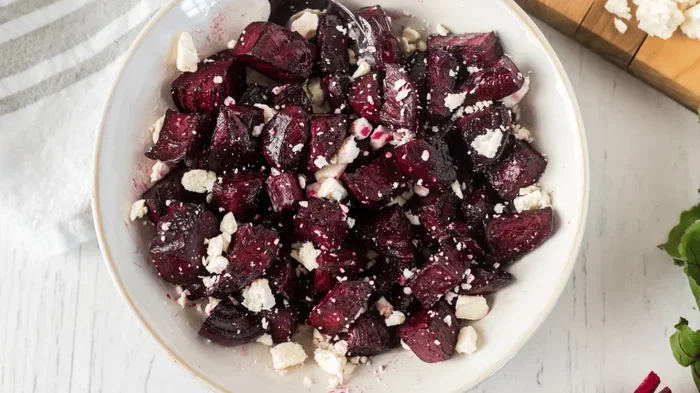
How To Roast Red Beets In The Oven For Perfect Results
Roasting red beets in the oven is one of the simplest ways to bring out their natural sweetness and earthy flavor. This guide walks you through every step, from prep to plating, so you get perfectly roasted beets every single time. Whether you are a beginner or a seasoned cook, you will find practical tips and easy tricks that make oven roasted beets a staple in your kitchen.
There is something magical about roast red beets in the oven. The kitchen fills with a warm, earthy aroma, and what comes out of the oven is a batch of tender, caramelized vegetables that taste absolutely incredible. If you have been avoiding beets because you think they are tricky, this guide will change your mind.
Roasting beets is one of the easiest cooking methods you can use. Unlike boiling, which can leave beets waterlogged and bland, oven roasting concentrates their natural sugars and brings out a rich, deep flavor. The process requires minimal effort and almost no special equipment. All you need is a baking sheet, some foil, and a hot oven.
In this article, you will learn exactly how to prepare, season, roast, and serve red beets for perfect results every time. We will cover temperatures, timing, peeling tricks, and delicious serving ideas. By the end, you will feel confident enough to make oven roasted beets a regular part of your meal rotation.
Key Takeaways
- Simple Prep: Washing, trimming, and wrapping beets in foil keeps them moist and tender during roasting.
- Right Temperature: Roasting at 400°F to 425°F delivers the best caramelization and flavor depth.
- Easy Peeling: Roasted beets slip right out of their skins after cooling, saving you time and effort.
- Versatile Use: Roasted beets work in salads, soups, hummus, sides, and even desserts.
- Storage Tips: Properly stored roasted beets last up to 5 days in the fridge and freeze well for later use.
- Common Mistakes to Avoid: Skipping the foil, cutting beets too large, and under-roasting are the top pitfalls.
📑 Table of Contents
- Why Roast Red Beets in the Oven?
- What You Need to Get Started
- Step-by-Step Guide to Roasting Red Beets
- How to Tell When Beets Are Perfectly Roasted
- Delicious Ways to Serve Roasted Red Beets
- Storing and Reheating Roasted Beets
- Health Benefits of Red Beets
- Expert Tips for the Best Roasted Beets
- Frequently Asked Questions
- Final Thoughts
Why Roast Red Beets in the Oven?
You might wonder why roasting is the best way to cook beets. There are several great reasons. First, roasting uses dry heat, which caramelizes the natural sugars in the beet. This creates a slightly crispy exterior and a creamy, buttery interior. Boiling, steaming, or microwaving simply cannot achieve this effect.
Second, roasted beet recipes are incredibly versatile. Once your beets are done, you can slice them into salads, blend them into dips, toss them with grains, or serve them as a side dish. The flavor pairs well with goat cheese, walnuts, arugula, citrus, and balsamic vinegar.
Third, roasting is hands-off. You prep the beets, pop them in the oven, and wait. There is no stirring, no monitoring, and no fuss. This makes beet roasting one of the most low-effort, high-reward cooking techniques you will ever use.
The Flavor Difference
When you roast beets in the oven, the high heat breaks down the starches and converts them into sugars. This is called the Maillard reaction, and it is what gives roasted vegetables their deep, complex flavor. Boiled beets taste clean and earthy, but roasted beets taste sweet, rich, and almost smoky.
The difference is noticeable from the very first bite. If you have only ever tried boiled or pickled beets, you are in for a real treat. Once you start roasting red beets, you will never go back.
What You Need to Get Started
Before you begin, gather your tools and ingredients. The good news is that you do not need much. Here is what you will need for the best oven roasted beets:
- Fresh red beets: Look for firm, smooth beets with no soft spots or cracks. Smaller beets tend to roast more evenly.
- Olive oil: A light coating helps the beets caramelize and prevents them from drying out.
- Salt and pepper: Simple seasonings that enhance the natural flavor of the beets.
- Aluminum foil: Wrapping the beets in foil traps steam and cooks them evenly.
- A baking sheet: A standard rimmed baking sheet works perfectly.
- A knife and cutting board: For trimming and peeling.
- An oven mitt: Beets will be hot when they come out.
That is it. You do not need any special spices or equipment. The beauty of roast red beets in the oven is in their simplicity. Let the beets do the talking.
Step-by-Step Guide to Roasting Red Beets
Now let us get into the fun part. Here is exactly how to roast red beets in the oven for perfect, tender results. Follow these steps and you will have outstanding beets every time.
Step 1: Preheat Your Oven
Start by preheating your oven to 400°F (200°C). This is the sweet spot for beet roasting. At this temperature, the outside of the beets caramelizes nicely while the inside cooks through evenly. If you prefer a slightly faster cook, you can go up to 425°F, but 400°F gives you the best balance of caramelization and tenderness.
While your oven is heating up, move on to the next step. Do not let the beets sit out too long once they are washed, as they can start to dry out.
Step 2: Wash and Trim the Beets
Rinse your red beets under cool running water. Use a vegetable brush to gently scrub off any dirt. Beets grow in the ground, so a little soil is normal. Just make sure they are clean before you cook them.
Next, trim off the greens and the root tail. Leave about half an inch of the stem and root intact. This helps the beets hold their shape and keeps the color from bleeding out during roasting. If you have small beets, you can leave them whole. Larger beets may need to be cut in half.
Quick Tip: Save the beet greens! They are nutritious and delicious sautéed with garlic and olive oil. Do not throw them away.
Step 3: Oil and Season
Place the beets on a piece of foil large enough to wrap them fully. Drizzle them with olive oil and sprinkle with salt and pepper. Toss them gently with your hands or a spoon to make sure every beet is coated.
The oil serves two purposes. It helps the heat distribute evenly, and it promotes caramelization. Salt draws out moisture, which also helps with the roasting process. Keep the seasoning simple at this stage. You can always add more flavor after roasting.
Step 4: Wrap in Foil and Roast
Fold the foil over the beets and seal it into a tight packet. This creates a steamy environment that cooks the beets gently from all sides. Place the foil packet on a baking sheet and put it in the preheated oven.
Now comes the waiting game. Roasting time depends on the size of your beets:
- Small beets (under 2 inches): 35 to 45 minutes
- Medium beets (2 to 3 inches): 45 to 60 minutes
- Large beets (over 3 inches): 60 to 75 minutes
The beets are done when a fork or knife slides in easily with no resistance. They should feel tender all the way through. If they are still firm, give them another 10 to 15 minutes.
Step 5: Cool and Peel
Once the beets are done, remove the baking sheet from the oven. Let the foil packet sit for about 10 minutes. This cooling period makes peeling much easier.
When the beets are cool enough to handle, unwrap them and gently rub the skins off. The skins should slip right off after roasting. If a bit of skin sticks, use your fingers or a towel to peel it away. The beets will be vibrant and beautiful inside.
Quick Tip: Place a paper towel over the beets when peeling. This keeps your hands clean and prevents staining your fingers. The red pigment can stain skin temporarily, so be careful.
How to Tell When Beets Are Perfectly Roasted
Knowing when your oven roasted beets are done is important. Under-roasted beets can be tough and earthy, while over-roasted beets can become mushy. Here is how to check for perfect doneness:
- The Fork Test: Pierce the thickest part of the beet with a fork. It should go in smoothly with no resistance. If you feel any hardness, keep roasting.
- The Color: Roasted beets develop a deeper, richer red color on the outside. They may also have slightly caramelized edges.
- The Smell: Your kitchen should smell sweet and earthy. If the beets smell burnt, they may be overdone.
- The Squeeze Test: Wearing an oven mitt, gently squeeze the beet. It should feel soft and give slightly, like a ripe tomato.
Every oven is different, so the first time you make this recipe, check the beets a few minutes before the suggested time. Once you do it a couple of times, you will know exactly when they are ready.
Common Mistakes to Avoid
Even simple recipes can go wrong if you make a few common errors. Here are the mistakes to watch out for when you roast red beets in the oven:
- Skipping the foil: Roasting beets without foil dries them out. The steam trapped inside the foil packet is what makes them tender.
- Cutting beets too small: Small pieces can overcook and turn mushy. Keep them whole or cut into large, even pieces.
- Using too much oil: A light coating is enough. Too much oil can make the beets greasy instead of caramelized.
- Not letting them rest: Skipping the cooling step makes peeling harder and can burn your fingers.
- Using old beets: Beets that have been in the fridge too long become soft and less flavorful. Choose fresh, firm beets for the best results.
Delicious Ways to Serve Roasted Red Beets
The best part about roasted beet recipes is how many ways you can use them. Once you have a batch of perfectly roasted beets, the possibilities are endless. Here are some of our favorite serving ideas:
Roasted Beet Salad
Slice your roasted beets and toss them with arugula, goat cheese, candied walnuts, and a balsamic vinaigrette. This is a classic combination that works every time. The sweetness of the beets pairs beautifully with the tangy cheese and the peppery arugula.
Beet Hummus
Blend roasted beets into your favorite hummus recipe. The result is a vibrant, creamy dip that is packed with flavor. Add garlic, lemon juice, and tahini for a restaurant-quality dip at home.
Roasted Beet and Grain Bowl
Add sliced roasted beets to a bowl of quinoa or farro. Top with roasted vegetables, a fried egg, and a drizzle of honey mustard dressing. This makes a hearty and healthy lunch or dinner.
Beet Soup or Borscht
Roasted beets make an excellent base for homemade soup. Blend them with vegetable broth, add a splash of cream, and season with dill. The flavor is deeper and richer than soup made with boiled beets.
Roasted Beet Sandwich
Layer roasted beet slices on crusty bread with cream cheese, arugula, and a sprinkle of sea salt. This simple sandwich is quick to make and full of flavor.
No matter how you serve them, roast red beets in the oven will add color, nutrition, and incredible taste to any meal.
Storing and Reheating Roasted Beets
If you have leftovers, you will want to store them properly. Roasted beets keep well when stored correctly.
Place the peeled beets in an airtight container and store them in the refrigerator. They will last for up to 5 days. For longer storage, you can freeze roasted beets. Place them in a single layer on a baking sheet, freeze until solid, and then transfer them to a freezer bag. Frozen roasted beets keep for up to 3 months.
To reheat, place the beets in a warm oven at 325°F for about 10 to 15 minutes. You can also microwave them, but the oven method helps maintain their texture better. Avoid boiling reheated beets, as this can make them waterlogged.
Quick Tip: Store beets with their cooking liquid if you have any. This liquid is full of flavor and can be used in soups, dressings, or smoothies.
Health Benefits of Red Beets
Beyond their delicious taste, red beets are packed with nutrients. They are a great source of fiber, folate, manganese, and potassium. Beets also contain powerful antioxidants called betalains, which give them their deep red color and provide anti-inflammatory benefits.
Studies suggest that beets can help lower blood pressure, improve exercise performance, and support brain health. Roasting beets in the oven preserves most of these nutrients, making it one of the healthiest ways to prepare them.
So when you make oven roasted beets, you are not just making a delicious side dish. You are also giving your body a boost of vitamins and minerals. That is a win-win.
Beetroot Nutrition at a Glance
One cup of roasted beets (about 170 grams) provides roughly:
- Calories: 75
- Fiber: 3.4 grams
- Folate: 37% of the daily value
- Manganese: 22% of the daily value
- Potassium: 11% of the daily value
- Vitamin C: 8% of the daily value
These numbers make beets one of the most nutrient-dense vegetables you can eat. And roasting them does not diminish their nutritional value.
Expert Tips for the Best Roasted Beets
We have been roasting beets for years, and these tips have made all the difference. Here is what the experts know about getting the best results:
- Choose uniform-sized beets: This ensures they all cook at the same rate. If you buy a mix of sizes, group them by size on the baking sheet.
- Do not peel before roasting: The skin protects the beet during cooking. Peel after roasting when the skins slide right off.
- Add a pinch of cinnamon or cumin: These warm spices complement the natural sweetness of beets beautifully.
- Try a honey glaze: Brush the beets with a little honey and olive oil before roasting for extra sweetness.
- Use parchment paper: If you do not want to use foil, line your baking sheet with parchment for easy cleanup.
- Roast beets and potatoes together: They pair wonderfully and cook at a similar temperature.
These small adjustments can take your beet roasting from good to outstanding. Try them the next time you make roast red beets in the oven.
Frequently Asked Questions
Can I roast beets without foil?
Yes, you can roast beets without foil, but the results will be different. Without foil, the beets will roast more slowly and may develop a drier exterior. Foil creates a steamy environment that keeps the beets tender and moist. If you prefer not to use foil, try roasting beets on a parchment-lined baking sheet at 425°F and add a splash of water to the pan to create some steam.
How long do roasted beets last in the fridge?
Properly stored roasted beets last up to 5 days in the refrigerator. Keep them in an airtight container. You can also store them in their cooking liquid, which helps maintain moisture and flavor. Make sure the beets are fully cooled before sealing the container.
Can I freeze roasted beets?
Absolutely. Roasted beets freeze very well. Let them cool completely, then place them in a single layer on a baking sheet and freeze until solid. Transfer them to a freezer-safe bag or container. They will keep for up to 3 months. Thaw overnight in the refrigerator before using.
Why are my roasted beets still hard in the middle?
If your beets are still hard in the middle, they need more time. Larger beets take longer to roast, and every oven runs slightly differently. Check them with a fork and continue roasting in 10-minute intervals until they are tender throughout. Cutting large beets into smaller pieces before roasting can also help them cook more evenly.
What temperature is best for roasting beets?
The best temperature for roasting beets is 400°F (200°C). This temperature allows the outside to caramelize while the inside cooks through evenly. If you are in a hurry, you can increase the heat to 425°F, but keep a close eye on them to prevent drying out.
Can I roast beets with the skin on and eat it?
Yes, the skin is edible and contains fiber and nutrients. However, most people prefer to peel the skin after roasting because it can be tough and slightly bitter. After roasting, the skin slides off easily with your fingers or a paper towel. If you are serving beets to guests, peeling them makes for a more polished presentation.
Final Thoughts
Roasting red beets in the oven is one of those simple kitchen skills that pays off big time. Once you master the basic technique, you can experiment with flavors, serving styles, and pairings. The process is forgiving, the results are delicious, and the health benefits are real.
Whether you are new to cooking or looking for a fresh way to enjoy beets, this method delivers every time. The key is to keep it simple, respect the timing, and let the oven do the work. With a little practice, you will be able to whip up a batch of perfectly roasted beets without even thinking about it.
So go ahead and give it a try. Pick up some fresh red beets at your local market, follow the steps in this guide, and enjoy the incredible flavor of oven roasted beets. You will wonder why you did not start making them sooner.