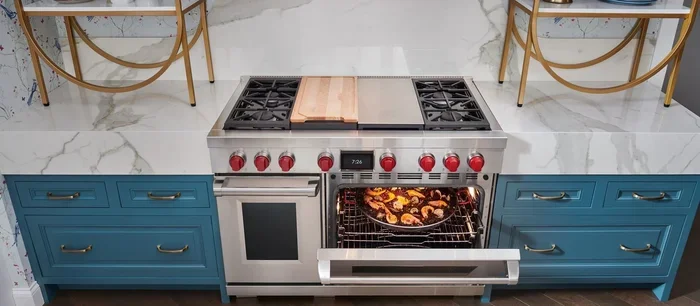
How To Turn On Wolf Gas Oven And Start Cooking Today
Turning on your Wolf gas oven is easier than you think. This guide walks you through every step to safely ignite your Wolf gas oven and start cooking right away. Whether you own a Wolf range or a standalone Wolf oven, you will learn the proper ignition process, temperature settings, and safety tips.
There is something truly satisfying about firing up a Wolf gas oven for the first time. These professional-grade appliances bring restaurant-quality cooking into your home. But if you have never used one before, the controls can feel a bit intimidating at first glance.
Do not worry. This guide will walk you through exactly how to turn on Wolf gas oven models with confidence. You will learn the simple steps, the different cooking modes, and the safety features that make Wolf ovens so reliable. By the end, you will be ready to bake, broil, and roast like a pro.
Wolf appliances are known for their durability and precision. The gas ovens in particular offer even heat distribution and responsive temperature control. Whether you are warming up leftovers or preparing a Sunday roast, knowing how to operate your oven correctly makes all the difference. Let us dive in and get your Wolf gas oven up and running.
Key Takeaways
- Easy ignition process: Learn the exact steps to light your Wolf gas oven quickly and safely.
- Multiple cooking modes: Understand bake, broil, and convection settings on your Wolf appliance.
- Safety first: Discover essential safety tips to prevent accidents with your gas oven.
- Troubleshooting help: Find solutions for common ignition and heating problems.
- Maintenance tips: Keep your Wolf oven running smoothly with simple care routines.
- Temperature control: Master the digital and manual controls for perfect cooking results.
- Quick start guide: Get your Wolf range up and running in under five minutes.
📑 Table of Contents
Understanding Your Wolf Gas Oven
Before you learn how to turn on Wolf gas oven, it helps to understand the basic parts. Every Wolf gas oven has a few key components that work together. Knowing what each part does will make the whole process much smoother.
The Control Panel
The control panel sits on the front of your Wolf oven. It includes knobs and sometimes digital buttons. On most models, you will find a temperature dial and a mode selector. The mode selector lets you choose between bake, broil, and convection settings. Some newer Wolf appliance models also have a digital display that shows the exact temperature.
The knobs are typically made of metal and feel very sturdy. They click into position when you turn them. This tactile feedback tells you the control is engaged. Take a moment to familiarize yourself with each knob before you start cooking.
The Ignition System
Wolf gas ovens use an electronic ignition system. This means you do not need matches or a lighter. When you turn the knob to the ignite position, a spark ignites the gas. You will hear a clicking sound and see a flame appear almost instantly.
The igniter is located inside the oven near the burner. If your oven does not light, the igniter may need replacement. This is one of the most common issues with gas ovens. But do not worry, it is an easy fix that a technician can handle quickly.
The Oven Burner and Heat Distribution
Inside the oven cavity, you will find the main burner. This is where the gas flame heats the oven. Wolf ovens are designed with a special burner layout that spreads heat evenly across the cooking surface. This is one reason why professional chefs love Wolf appliances so much.
The oven light lets you monitor your food without opening the door. Opening the door too often can cause temperature drops. So the light is a handy feature for checking on your dish while it cooks.
Step-by-Step: How To Turn On Wolf Gas Oven
Now that you know the basic parts, let us walk through the actual process. Follow these steps carefully each time you use your Wolf gas oven.
Step 1: Make Sure the Oven Is Off
Before you do anything, confirm the oven is completely off. Check that all knobs are in the “off” position. You should not smell any gas when the oven is off. If you do smell gas, do not attempt to light the oven. Open a window, leave the kitchen, and contact a professional immediately.
Safety always comes first with any gas appliance. Taking a few extra seconds to check can prevent serious problems.
Step 2: Open the Oven Door Slightly
Wolf gas ovens work best when the door is closed during cooking. But for ignition, you can open the door just a crack. This allows fresh air to enter and helps the igniter work properly. You do not need to open the door all the way.
Some Wolf range models have a safety feature that prevents the oven from lighting if the door is fully open. So just a small gap is perfect.
Step 3: Turn the Knob to the Ignite Position
Locate the oven temperature knob. Push it in slightly and then turn it counterclockwise to the “ignite” or “light” position. You should hear a clicking sound. This is the igniter creating sparks to light the gas.
Within a few seconds, you should see a flame appear inside the oven. The flame will look blue, which means the gas is burning correctly. If the flame is orange or yellow, this could indicate a problem with the gas flow. Turn the knob back to off and check your gas supply.
Step 4: Set Your Desired Temperature
Once the igniter is working, you can set your cooking temperature. Turn the temperature knob to the number you need. For example, if you want to bake at 350 degrees, turn the dial to 350.
On models with a digital display, simply press the temperature buttons. The display will show the set temperature and the current temperature. This makes it easy to track how your oven is heating up.
Step 5: Wait for the Oven to Preheat
Wolf gas ovens heat up quickly, but patience is still important. Give your oven a few minutes to reach the target temperature. Most Wolf ovens have a preheat indicator light. When this light turns off, your oven is ready for cooking.
Placing food in a cold oven can lead to uneven cooking. So always wait for the preheat signal before you put your dish inside.
Cooking Modes on Your Wolf Gas Oven
Once you know how to turn on Wolf gas oven, it is time to explore the different cooking modes. Wolf ovens offer several modes that give you versatility in the kitchen. Each mode serves a different purpose and produces unique results.
Bake Mode
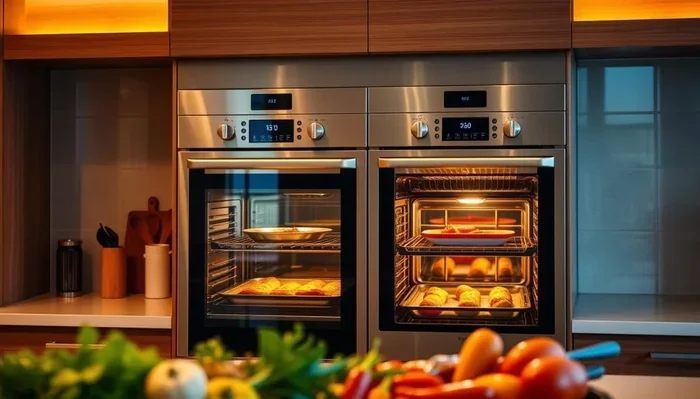
Bake mode is the most commonly used setting. It uses the bottom burner to generate heat, and the top element helps distribute warmth evenly. This mode is perfect for cakes, cookies, bread, and casseroles.
When using bake mode, place your dish on the center oven rack. This position allows hot air to circulate around the food evenly. If you need to rotate your dish halfway through, that is a great practice for even browning.
Broil Mode
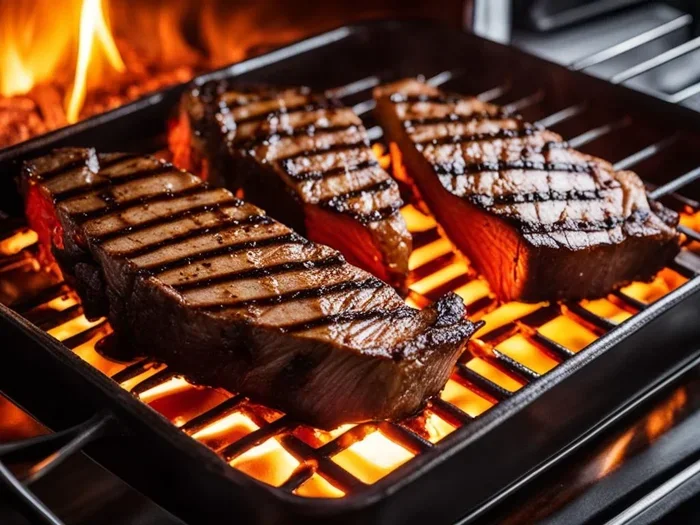
Broil mode uses the top burner to create intense, direct heat. This mode is ideal for melting cheese, browning the top of a dish, or cooking thin cuts of meat quickly.
When broiling, always keep a close eye on your food. The high heat can cause burning very fast. Use a shallow pan and stay near the oven while broiling.
Convection Mode
Convection mode adds a fan to the baking process. The fan circulates hot air around the oven, which cooks food faster and more evenly. Many Wolf appliance owners love this mode for roasting vegetables and meats.
One thing to remember: convection cooking usually requires a lower temperature than regular baking. Reduce your set temperature by about 25 degrees for best results. This prevents food from overcooking on the outside while staying raw inside.
Warming Mode
Warming mode keeps food at a safe serving temperature without overcooking it. This is a great feature when you are preparing a big meal and need to keep dishes warm until everyone sits down.
Set your Wolf gas oven to the lowest temperature and use the warming mode. Most models maintain a temperature around 170 to 200 degrees in this setting.
Safety Tips for Operating Your Wolf Gas Oven
Wolf gas ovens are built with safety in mind, but you still need to follow important precautions. These tips will help you operate your gas oven safely every single time.
Always Check for Gas Leaks
Before using your Wolf oven, do a quick gas leak check. You can use a soapy water solution and apply it to the gas connections. If you see bubbles forming, there may be a leak. Turn off the gas supply and contact a professional right away.
Never ignore a gas smell. Even a faint odor of gas in your kitchen should be taken seriously. Open windows, leave the area, and call your gas company if needed.
Keep the Area Around the Oven Clean
Grease and food debris can build up around the oven burner over time. This buildup can cause smoke or even small flames when you ignite the oven. Clean the inside of your Wolf oven regularly with a mild cleaner and a soft cloth.
Pay special attention to the oven bottom and the area around the igniter. A clean oven burns more efficiently and lasts longer.
Use Proper Cookware
Not all cookware is safe for gas ovens. Avoid using plastic handles or flammable materials inside the oven. Use metal, glass, or ceramic bakeware that can withstand high temperatures.
Also, make sure your cookware is the right size for the oven rack. Oversized pots can block airflow and cause uneven heating. This is especially important when using convection mode.
Never Leave the Oven Unattended
Gas ovens can reach very high temperatures. Leaving them unattended, especially during broiling, can be dangerous. Always stay in the kitchen when the oven is on at high heat. Set a timer on your phone or a kitchen timer to remind you to check on your food.
Keep Children and Pets Away
The exterior of a Wolf oven can get very hot during use. Keep children and pets at a safe distance from the oven door. Teach older kids how to turn on Wolf gas oven safely, but always supervise them when they are cooking.
Troubleshooting Common Wolf Gas Oven Issues
Even the best Wolf appliance can have occasional issues. Knowing how to troubleshoot common problems saves you time and frustration. Here are the most frequent issues and their solutions.
The Oven Will Not Ignite
If your Wolf gas oven does not light, the igniter may be faulty. The igniter weakens over time and eventually stops sparking. You can test this by turning the knob to the ignite position and listening carefully. If you hear no clicking sound, the igniter likely needs replacement.
Another common cause is a weak gas supply. Check that the gas valve is fully open. If you have a gas range, make sure the main gas line is turned on. Sometimes simply resetting the gas connection solves the problem.
The Oven Heats Unevenly
Uneven heating is a common complaint with many gas ovens. If your Wolf oven is not cooking food evenly, try rotating your dishes halfway through the cooking time. You can also check the oven racks to make sure they are level and properly positioned.
If the problem persists, the heating element or burner may need inspection. Contact a certified Wolf appliance technician for professional diagnostics.
The Oven Temperature Is Too High or Too Low
Temperature accuracy matters a lot in cooking. If your Wolf gas oven runs too hot or too cold, use an oven thermometer to verify the actual temperature. Place the thermometer inside the oven and compare it to the display or dial reading.
If there is a significant difference, you may need to recalibrate the oven. Many Wolf models allow you to adjust the temperature offset through the control panel. Refer to your owner manual for specific instructions on calibration.
The Oven Door Will Not Close Properly
A door that does not seal properly can cause heat loss and uneven cooking. Check the door gasket, which is the rubber seal around the door edges. If the gasket is worn or damaged, it needs replacement.
Also check for any food debris caught in the door seal. A simple cleaning can often fix this issue. Make sure the door hinges are tight and not bent.
Maintenance Tips to Keep Your Wolf Gas Oven Running Smoothly
Regular maintenance extends the life of your Wolf appliance and keeps it performing at its best. Here are simple tips you can follow to care for your Wolf gas oven.
Clean After Every Use
Wipe down the inside of your oven after each use. Use a damp cloth and a mild cleaner to remove any splatters or spills. This prevents buildup that can affect oven performance and create odors during future cooking sessions.
For stubborn stains, make a paste of baking soda and water. Apply it to the stain, let it sit for 15 minutes, then wipe clean. This natural method works wonders on baked-on grime.
Inspect the Igniter Regularly
The igniter is the heart of your Wolf gas oven ignition system. Check it periodically for signs of wear or damage. If you notice the igniter glowing but not lighting the gas, it may need cleaning or replacement.
You can gently clean the igniter with a soft brush to remove any debris. Never use water directly on the igniter. Keep it dry and free of grease for reliable operation.
Schedule Professional Maintenance
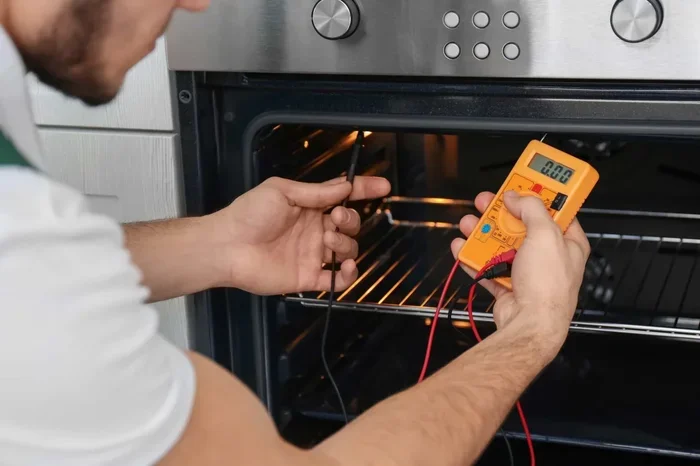
Even with regular cleaning, your Wolf oven benefits from professional tune-ups. Schedule a service check at least once a year. A technician can inspect the gas lines, burners, and safety valves to ensure everything works correctly.
This proactive approach catches small issues before they become expensive repairs. It also keeps your warranty valid, which is important for Wolf appliance owners.
Replace Parts When Needed
Oven parts wear out over time. The igniter, door gasket, and temperature sensor are common replacements. Do not wait until a part completely fails. Replacing worn parts promptly keeps your Wolf oven running efficiently and safely.
Always use genuine Wolf replacement parts. Aftermarket parts may not fit correctly or meet safety standards. Contact Wolf customer service or an authorized dealer for the right parts for your specific model.
Key Takeaways
- Easy ignition process: Learn the exact steps to light your Wolf gas oven quickly and safely.
- Multiple cooking modes: Understand bake, broil, and convection settings on your Wolf appliance.
- Safety first: Discover essential safety tips to prevent accidents with your gas oven.
- Troubleshooting help: Find solutions for common ignition and heating problems.
- Maintenance tips: Keep your Wolf oven running smoothly with simple care routines.
- Temperature control: Master the digital and manual controls for perfect cooking results.
- Quick start guide: Get your Wolf range up and running in under five minutes.
Conclusion
Learning how to turn on Wolf gas oven does not have to be complicated. With the steps outlined in this guide, you can confidently ignite your Wolf appliance and start cooking delicious meals right away. From understanding the control panel to mastering different cooking modes, you now have the knowledge to use your Wolf gas oven like a professional chef.
Remember to always prioritize safety. Check for gas leaks, keep the area clean, and never leave the oven unattended at high heat. Regular maintenance keeps your Wolf oven performing at its best for years to come.
Whether you are baking a cake, broiling a steak, or roasting vegetables, your Wolf gas oven gives you the power and precision you need. Follow the tips in this guide, and you will enjoy countless meals cooked to perfection in your Wolf appliance. Now go ahead, turn on that oven, and start creating something delicious today.
Frequently Asked Questions
How do I know if my Wolf gas oven is properly igniting?
When you turn the knob to the ignite position, you should hear a clicking sound and see a blue flame appear within a few seconds. A blue flame means the gas is burning correctly. If you see an orange or yellow flame, or if there is no flame at all, turn the knob back to off and check the gas supply or contact a technician.
Can I use my Wolf gas oven if I smell a slight gas odor?
No. If you smell gas, do not attempt to use the oven. Open windows to ventilate the kitchen, leave the area, and contact your gas company or a qualified technician. A gas odor could indicate a leak, which is a serious safety hazard that must be addressed immediately.
How long does it take for a Wolf gas oven to preheat?
Most Wolf gas ovens preheat within 5 to 10 minutes, depending on the model and the set temperature. Newer models with digital controls often display the current temperature so you can monitor the preheat progress. Always wait for the preheat indicator light to turn off before placing food inside.
What should I do if my Wolf oven igniter clicks but does not light?
If the igniter clicks but does not produce a flame, the gas supply may be blocked or the igniter may be faulty. Check that the gas valve is fully open and that the igniter is clean. If the problem continues, the igniter likely needs replacement. Contact a certified Wolf appliance technician for service.
Is it safe to use aluminum foil inside a Wolf gas oven?
You can use aluminum foil in a Wolf gas oven, but with caution. Do not cover the oven floor or block the burner ports with foil, as this can restrict airflow and cause uneven heating or damage. Use foil only to catch drips on the oven rack, and never let it touch the heating elements directly.
How often should I clean my Wolf gas oven?
You should wipe down the inside of your Wolf gas oven after every use to prevent grease and food buildup. A deeper cleaning with a mild cleaner or baking soda paste should be done at least once a month, or more often if you cook frequently. Keeping the oven clean helps maintain even heat distribution and extends the life of the appliance.