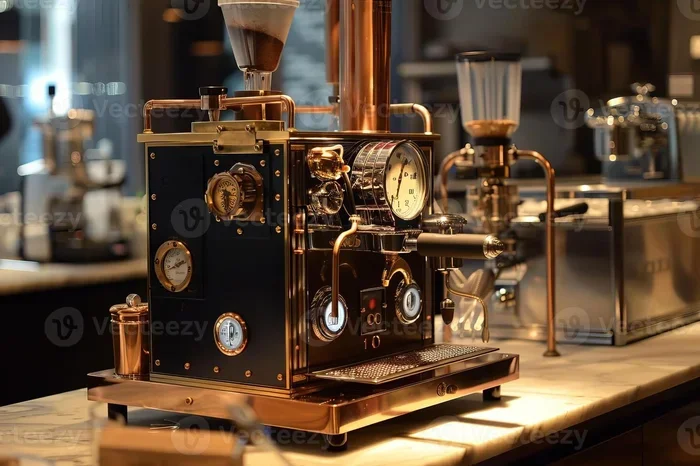
When Was The First Coffee Machine Invented In History
The first coffee machine was patented by Angelo Moriondo in 1884 in Turin, Italy. This invention revolutionized how people brewed coffee by using steam pressure to speed up the process. Over the decades, the coffee machine evolved from a bulky industrial device into the sleek kitchen coffee machines we use today.
There is something magical about the first sip of coffee in the morning. Whether you prefer a bold espresso shot or a smooth drip cup, that morning ritual connects you to a long and fascinating history. But have you ever stopped to wonder when the first coffee machine was invented? The answer might surprise you.
The story of the coffee machine begins in the late 1800s, long before your morning routine involved pressing a button or filling a water reservoir. A brilliant inventor from Italy changed the way the world drinks coffee forever. This article takes you on a journey through time, exploring how the first coffee machine was created, how it evolved, and how it became the kitchen staple we know today.
Whether you are a coffee enthusiast or just someone who enjoys a good cup, understanding the history of the coffee machine gives you a deeper appreciation for the technology in your kitchen. So grab your favorite mug, settle in, and let us explore the incredible story of when the first coffee machine was invented.
Key Takeaways
- The first coffee machine was invented in 1884 by Angelo Moriondo in Turin, Italy. He patented a steam-powered device that forced hot water through coffee grounds faster than traditional methods.
- Early coffee brewing relied on boiling water and manual filtering. Before machines, people used simple pots and cloth filters to make their daily brew.
- The invention evolved through contributions from Luigi Bezzera and Desiderio Pavoni. They improved the design and introduced the lever espresso machine that changed coffee forever.
- Modern coffee machines include drip brewers, espresso machines, and single-serve pod systems. Each type offers a different brewing experience for different preferences.
- Understanding coffee machine history helps you appreciate the technology behind your daily cup. It also helps you make better choices when buying a machine.
- Regular maintenance keeps your coffee machine running at its best. Simple cleaning habits can extend the life of your appliance significantly.
📑 Table of Contents
- The Early Days of Coffee Brewing
- When Was The First Coffee Machine Invented
- How Coffee Machines Evolved Over Time
- How Modern Coffee Machines Work
- Choosing the Right Coffee Machine for Your Home
- Maintaining Your Coffee Machine for Best Performance
- The Cultural Impact of Coffee Machines
- Final Thoughts
The Early Days of Coffee Brewing
Before machines entered the picture, people brewed coffee in very simple ways. The history of coffee itself goes back centuries, but the tools used to make it were basic and manual. Understanding these early methods helps us appreciate just how groundbreaking the first coffee machine truly was.
How People Made Coffee Before Machines
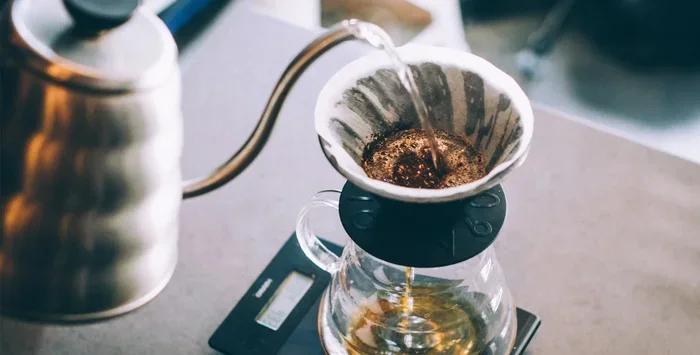
For hundreds of years, coffee brewing was a hands-on process. People would boil water in a pot, add ground coffee, and let the mixture steep. Then they would pour the liquid through a cloth or metal filter to separate the grounds from the liquid. It was simple, effective, and required no special equipment.
This method worked well enough for everyday use. But it had its limitations. Brewing took time, and the results were inconsistent. Some cups were too strong, others too weak. There was no way to control the temperature or the pressure, which meant every cup was a bit of a gamble.
As coffee grew in popularity across Europe and the Middle East, people started looking for better ways to brew it faster and more consistently. This desire for improvement set the stage for one of the most important inventions in coffee history. The need for a better brewing method was the spark that led to the first coffee machine.
Ancient Coffee Brewing Methods
The earliest known methods of brewing coffee date back to the 15th century in Ethiopia and Yemen. People would crush coffee cherries and mix them with animal fat for energy. Later, they discovered that boiling the beans created a flavorful drink.
By the 16th century, coffee had spread throughout the Ottoman Empire. Turkish coffee became famous for its rich, strong flavor. It was made by simmering finely ground coffee in a small pot called a cezve. No filtering was needed. The grounds settled to the bottom of the cup, and the drink was enjoyed slowly.
These traditional methods laid the foundation for what would come next. As demand for coffee grew, inventors began experimenting with ways to automate the process. The early coffee brewing methods were the building blocks for the invention that would change everything.
When Was The First Coffee Machine Invented
The answer to this question takes us back to 1884, in the bustling city of Turin, Italy. This is where the first patent for a coffee machine was filed, marking a turning point in coffee brewing history. The invention of the first coffee machine was not just a technical achievement. It was the beginning of a revolution that would transform how the world enjoys coffee.
Angelo Moriondo and the 1884 Patent
The inventor behind the first coffee machine was Angelo Moriondo, a hotel and café owner from Turin. Moriondo noticed that brewing coffee for large crowds took too long. He wanted a faster way to serve coffee without sacrificing quality. So he set out to build a machine that could do the job.
In 1884, Moriondo filed a patent for his invention at the General Exposition of Turin. His machine used a combination of steam and boiling water to force water through coffee grounds at high pressure. This was a completely new approach to coffee brewing. Instead of waiting for water to drip through grounds slowly, the machine could produce multiple cups in a fraction of the time.
Moriondo did not manufacture his machine on a large scale. He built a few units for his own businesses and never pursued mass production. But his patent was the foundation for everything that followed. Without his initial invention, the coffee machines we know today might not exist.
How the First Machine Worked
Moriondo’s coffee machine was a steam-powered device. It used boiler pressure to push hot water through a large bed of coffee grounds. The steam forced the water through the coffee at a higher speed than traditional methods allowed. This created a stronger, more concentrated brew in much less time.
The machine was bulky and designed for commercial use in hotels and cafés. It was not something a household could easily own. But the concept was revolutionary. By using pressure to speed up the extraction process, Moriondo had essentially created the first espresso machine, even though that word had not yet been coined.
The basic principle of forcing hot water through coffee grounds under pressure is still at the heart of espresso machines today. Moriondo’s invention proved that speed and flavor could go hand in hand. His work opened the door for other inventors to refine and improve on his design.
How Coffee Machines Evolved Over Time
After Moriondo’s initial invention, the coffee machine went through several major transformations. Each decade brought new innovations that made coffee brewing faster, more consistent, and more accessible. The journey from a bulky steam-powered device to the sleek machines in our kitchens today is a story of ingenuity and persistence.
The Lever Espresso Machine Era
In the early 1900s, a Milanese inventor named Luigi Bezzera improved on Moriondo’s design. In 1901, Bezzera filed a patent for a new type of coffee machine that was smaller and more practical. His version included a grouphead, a portafilter, and a lever mechanism that controlled the brewing process.
Bezzera’s machine used a hand lever to create pressure, forcing hot water through the coffee grounds. This gave the operator more control over the brewing time and pressure. The result was a richer, more flavorful cup of coffee. This was the birth of the lever espresso machine that would become iconic in cafés around the world.
Not long after, Desiderio Pavoni bought the rights to Bezzera’s patent and began manufacturing the machines on a larger scale. Pavoni’s machines debuted at the 1906 Milan International Exposition. They quickly gained popularity in Italian cafés and eventually spread to other parts of Europe. The coffee machine was no longer just a commercial novelty. It was becoming a fixture of daily life.
Throughout the early 20th century, espresso machines continued to evolve. Manufacturers experimented with different pressure levels, boiler designs, and brewing techniques. Each improvement brought the coffee machine closer to the convenient appliances we use today.
Automatic Drip Coffee Machines
While espresso machines dominated Europe, a different type of coffee machine was gaining popularity in the United States. The automatic drip coffee maker emerged in the mid-20th century and quickly became a household staple.
The drip coffee machine worked on a simple principle. Water was heated in a reservoir and then dripped over a bed of coffee grounds held in a paper or metal filter. The hot water passed through the grounds, extracting flavor and aroma as it went. The brewed coffee then dripped into a carafe below.
This method was slower than espresso but produced a clean, consistent cup. It was also much easier to use at home. Families could brew a full pot of coffee with minimal effort. The automatic drip machine made coffee brewing accessible to millions of households.
One of the most famous drip coffee machines was the Mr. Coffee brand, which launched in the 1970s. It popularized the concept of the automatic drip brewer and made it a standard fixture in American kitchens. The simplicity and reliability of drip machines helped them dominate the market for decades.
The Single-Serve Revolution
The late 1990s and early 2000s brought another major shift in coffee machine design. Single-serve pod systems, led by brands like Keurig, changed the way people brewed coffee at home. Instead of making a full pot, users could brew a single cup in seconds.
These machines used pre-packaged coffee pods filled with ground coffee. Hot water was forced through the pod at high pressure, extracting the flavor quickly and efficiently. The convenience was unmatched. You could choose from dozens of coffee flavors, teas, and hot chocolates, all with the push of a button.
The single-serve revolution made coffee machines even more popular. People who had never owned a coffee machine before suddenly found one on their kitchen counter. The market exploded, and manufacturers raced to introduce new models with advanced features like programmable brewing times, strength controls, and milk frothers.
However, single-serve machines also raised concerns about waste. The plastic pods used in these machines were not always recyclable, leading to environmental criticism. This sparked a new wave of innovation, with companies developing reusable pods and more eco-friendly brewing options.
How Modern Coffee Machines Work
Today’s coffee machines come in many shapes and sizes, but they all rely on a few core principles. Understanding how these machines work helps you choose the right one for your needs and get the best results from every brew.
Drip Coffee Makers
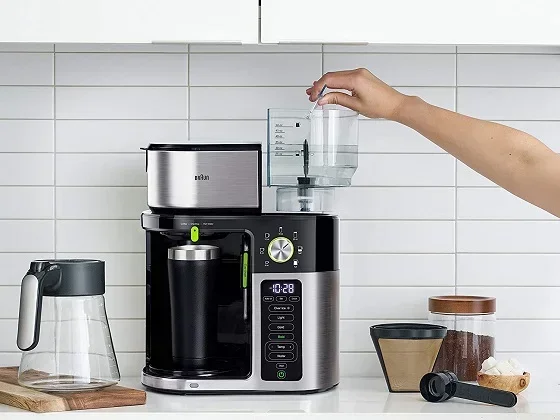
Drip coffee makers are the most common type found in homes and offices. They work by heating water in a reservoir and then dripping it over a filter filled with ground coffee. The water passes through the grounds, absorbing flavor and oils, and then drips into a carafe or mug below.
Most drip machines use a simple heating element at the base. Water is drawn up through a tube and then distributed evenly over the coffee grounds through a showerhead mechanism. The paper or permanent filter catches the grounds while allowing the brewed coffee to pass through.
Drip machines are valued for their simplicity and ease of use. You add water, add grounds, press a button, and wait a few minutes. They are ideal for making multiple cups at once and are a great choice for households that drink several cups throughout the day.
If you want to learn more about keeping your machine running smoothly, check out our guide on how to decalcify a Keurig coffee maker for essential maintenance tips.
Espresso Machines
Espresso machines use high pressure to force hot water through finely ground coffee. This creates a concentrated, rich shot of coffee with a layer of crema on top. Modern espresso machines range from compact home models to professional-grade units used in cafés around the world.
The key to a great espresso shot is pressure and temperature control. Most machines operate at around 9 bars of pressure and brew at temperatures between 195 and 205 degrees Fahrenheit. This precise control allows for consistent, high-quality results every time.
There are several types of espresso machines available today. Manual machines require the user to control every aspect of the brewing process. Semi-automatic machines handle the water flow but let you grind and tamp the coffee yourself. Fully automatic machines do almost everything at the touch of a button.
Pod and Capsule Systems
Pod and capsule systems are designed for maximum convenience. They use pre-packaged coffee pods or capsules that contain pre-measured coffee grounds. The machine punctures the pod, forces hot water through it, and delivers a fresh cup of coffee in under a minute.
These systems are popular because they eliminate the need for grinding, measuring, and filtering. They are also very consistent. Every cup tastes the same because the coffee is pre-portioned and sealed. This makes them a great choice for people who want a quick, reliable cup without any fuss.
If you are curious about grinding your own coffee at home, you might wonder whether a coffee grinder can handle wet grinding. It is an interesting topic that explores the limits of home grinding equipment.
Choosing the Right Coffee Machine for Your Home
With so many types of coffee machines on the market, choosing the right one can feel overwhelming. The best machine for you depends on your brewing preferences, your budget, and how much time you are willing to spend on your morning routine.
Types of Coffee Machines Compared
Here is a quick look at the most popular types of coffee machines and what they offer:
- Drip Coffee Makers: Best for making multiple cups quickly. Simple to use and affordable. Great for households that drink several cups a day.
- Espresso Machines: Best for rich, concentrated coffee drinks. More expensive and requires some learning. Ideal for coffee lovers who enjoy lattes, cappuccinos, and Americanos.
- Single-Serve Pod Systems: Best for convenience and variety. Fast and easy to use. Great for people who want one cup at a time with minimal cleanup.
- French Press (Not a Machine, but Worth Mentioning): Best for full-bodied, rich coffee. No electricity needed. A manual option for those who enjoy the ritual of brewing.
- Moka Pot: A stovetop option that brews coffee using steam pressure. Affordable and produces a strong, espresso-like cup. Popular in Italian households.
Key Features to Look For
When shopping for a kitchen coffee machine, there are several features worth considering. First, think about the type of coffee you drink most often. If you prefer espresso-based drinks, an espresso machine or a pod system with an espresso option is the way to go. If you like classic drip coffee, a simple drip brewer will do the job.
Next, consider the size of the machine. If you have limited counter space, a compact single-serve model might be the best fit. If you entertain guests often, a larger drip machine or a full-sized espresso machine can handle bigger batches.
Other features to look for include programmable timers, adjustable brew strength, water filtration systems, and easy-clean designs. These features can make a big difference in your daily coffee experience.
Want to try making a refreshing iced version at home? Check out our guide on how to make your own Dunkin iced coffee for a delicious recipe you can try with your new machine.
Maintaining Your Coffee Machine for Best Performance
Once you have chosen the right coffee machine, keeping it in good shape is essential. Regular maintenance ensures that your machine continues to produce great-tasting coffee and lasts for many years.
Cleaning Tips
Start by cleaning your machine after every use. For drip machines, empty the used grounds and rinse the carafe and filter basket. For espresso machines, purge the grouphead and wipe down the steam wand after each session. Pod machines should have their pods disposed of and the brewing area rinsed regularly.
Deep cleaning should be done on a monthly or bi-weekly basis. This includes descaling the machine to remove mineral buildup from hard water. Descaling helps maintain proper water flow and temperature, which directly affects the taste of your coffee.
Using filtered water can also reduce mineral buildup and improve the flavor of your coffee. It is a small change that makes a big difference over time.
When to Replace Your Machine
Even with the best care, coffee machines do not last forever. Signs that it is time to replace your machine include inconsistent brewing temperatures, slow water flow, strange noises, and visible wear and tear. A machine that struggles to heat water properly will not brew coffee at the right temperature, which affects the flavor.
Most drip coffee makers last between 5 and 10 years with proper care. Espresso machines can last even longer if maintained well. Pod machines tend to have a shorter lifespan, typically around 3 to 5 years, depending on usage.
Investing in a quality machine and following the manufacturer’s maintenance guidelines will help you get the most out of your investment. A well-maintained coffee machine can serve you reliably for years.
The Cultural Impact of Coffee Machines
The invention of the coffee machine did more than just speed up brewing. It changed the culture of coffee itself. Cafés became gathering places where people could enjoy a quick, consistent cup without waiting for a manual brew. The coffee machine helped fuel the growth of coffee shop culture around the world.
Today, coffee machines are found in homes, offices, restaurants, and hotels across every continent. They have become an essential part of daily life for millions of people. The convenience and consistency that coffee machines provide have made coffee one of the most popular beverages on the planet.
The journey from Angelo Moriondo’s steam-powered invention in 1884 to the smart coffee machines of today is a testament to human creativity and the universal love of coffee. Every time you brew a cup, you are participating in a tradition that spans centuries and continents.
Final Thoughts
The answer to when was the first coffee machine invented is a story of innovation, persistence, and passion for a great cup of coffee. From Angelo Moriondo’s steam-powered patent in 1884 to the sleek, smart machines we use today, the coffee machine has come a long way. Each generation of inventors built on the work of those who came before, refining the design and making coffee brewing faster, easier, and more enjoyable.
Understanding this history gives us a new perspective on the kitchen coffee machine sitting on our countertop. It is not just an appliance. It is the result of over a century of invention and improvement. The next time you brew your morning coffee, take a moment to appreciate the incredible journey that made it possible.
Whether you prefer a classic drip brew, a rich espresso shot, or a quick single-serve cup, the coffee machine has something to offer everyone. Choose the machine that fits your needs, take care of it properly, and enjoy the simple pleasure of a great cup of coffee every day.
Frequently Asked Questions
Who invented the first coffee machine?
Angelo Moriondo, an Italian inventor from Turin, patented the first coffee machine in 1884. His steam-powered device was designed to brew coffee faster for commercial use in hotels and cafés. While he did not mass-produce his invention, his patent laid the foundation for all future coffee machines.
What was the first coffee machine made of?
The first coffee machine was made primarily of brass and copper, with a boiler system powered by steam. The materials were chosen for their durability and ability to handle high heat and pressure. Over time, manufacturers began using stainless steel and other modern materials to improve safety and design.
How did early coffee machines differ from modern ones?
Early coffee machines were much larger and designed for commercial use. They relied on steam pressure and required significant manual operation. Modern coffee machines are smaller, more automated, and use electric heating elements. Today’s machines also offer features like programmable timers, adjustable strength settings, and single-serve convenience.
Why is Angelo Moriondo not as famous as other coffee inventors?
Angelo Moriondo never mass-produced his coffee machine or marketed it widely. He built a few units for his own businesses and did not pursue commercialization. Later inventors like Luigi Bezzera and Desiderio Pavoni improved on his design and brought the coffee machine to a broader market, earning more recognition in the process.
Can I use a coffee machine to make espresso at home?
Yes, many home coffee machines are designed specifically for making espresso. These machines use pressurized water to extract a concentrated shot of coffee with a layer of crema on top. You can also use espresso machines to make lattes, cappuccinos, and other popular espresso-based drinks at home.
How often should I clean my coffee machine?
You should clean your coffee machine after every use by removing grounds, rinsing parts, and wiping down surfaces. A deeper clean, including descaling to remove mineral buildup, should be done every one to three months depending on how often you use the machine and the hardness of your water.