What Is Drip Brewed Coffee and Why You Need to Try It
Drip brewed coffee is one of the most popular ways to make coffee at home. It uses a coffee maker machine that heats water and drips it through coffee grounds in a filter basket. The result is a smooth, rich cup of black coffee that millions of people enjoy every day. Whether you use a basic drip machine or a premium model, this method delivers consistent flavor with minimal effort.
Key Takeaways
- Easy and Convenient: Drip brewing is one of the simplest ways to make great coffee at home with minimal hands-on effort.
- Consistent Flavor: The controlled hot water extraction process produces a reliable, balanced cup every time.
- Affordable Equipment: Drip coffee makers range from budget-friendly to high-end, fitting almost any kitchen and budget.
- Customizable Strength: You control the coffee-to-water ratio, grind size, and brew time to match your personal taste.
- Great for Beginners: No special skills are needed, making it the perfect entry point for new coffee lovers.
- Perfect for Large Batches: Most drip machines brew multiple cups at once, ideal for families or entertaining guests.
📑 Table of Contents
- What Is Drip Brewed Coffee and Why It Matters
- How Does a Drip Coffee Maker Work
- The Drip Brewing Process Step by Step
- Drip Brewed Coffee vs Other Brewing Methods
- Benefits of Drip Brewed Coffee
- Tips for the Perfect Cup of Drip Brewed Coffee
- Is Drip Brewed Coffee Healthy
- The History and Popularity of Drip Brewed Coffee
- Frequently Asked Questions
- Conclusion
What Is Drip Brewed Coffee and Why It Matters
If you start your morning with a steaming cup of coffee from a standard machine, there is a good chance you have already enjoyed drip brewed coffee. This brewing method uses gravity and hot water to pull flavor from ground beans. The water drips through a filter basket filled with coffee grounds and collects in a carafe below. It is simple, reliable, and loved by coffee drinkers all over the world.
But what exactly makes drip brewing different from other methods? And why do so many people choose it over espresso machines or French presses? The answer comes down to ease, consistency, and taste. Drip brewed coffee strikes a perfect balance between convenience and flavor. You do not need to be a barista to get a great cup. In this guide, we will walk you through everything you need to know about this beloved brewing method.
We will cover how it works, how it compares to other methods, and practical tips to improve your brew. Whether you are a complete beginner or a daily coffee drinker looking to level up, this article has something for you. Let us dive in.
How Does a Drip Coffee Maker Work
A drip coffee maker might look simple, but there is a lot happening behind the scenes. Understanding the process helps you appreciate why this method works so well. Here is a quick look at the basic steps.
The Water Heating Phase
First, you fill the water reservoir at the back of the machine. The heating element inside the machine warms the water to the ideal brewing temperature, which is between 195 and 205 degrees Fahrenheit. This temperature range is key because it extracts the best flavors without burning the grounds.
Once the water reaches the right temperature, it moves into the shower head or dispersion area. This spreads the water evenly over the coffee grounds in the filter basket. Even distribution is essential for balanced coffee extraction.
The Dripping and Filtering Phase
As the hot water passes through the grounds, it pulls out oils, aromas, and caffeine. This is the coffee extraction process. The liquid then drips through a paper filter or reusable mesh filter. The filter catches the used grounds and lets the brewed coffee flow into the carafe below.
Most machines complete this process in 5 to 10 minutes. The speed depends on the machine model, the amount of water, and the grind size of your beans. A finer grind slows the drip, while a coarser grind speeds it up.
The Final Collection
The finished coffee collects in a glass or thermal carafe. From there, you can pour a fresh cup whenever you want. Many modern machines have warming plates that keep the carafe hot for hours. Some newer models use thermal carafes that hold the heat without a warming plate, which preserves the flavor better.
The Drip Brewing Process Step by Step
Now that you understand the basics, let us walk through the actual process of making drip brewed coffee at home. Follow these steps for a consistently great cup.
Step 1: Choose Your Coffee Beans
Start with fresh, whole coffee beans. The quality of your beans matters a lot. Look for beans that were roasted within the last two to four weeks. Store them in an airtight container away from light and heat.
You can use any roast level you prefer. Medium roasts are the most popular for drip brewing because they offer a balanced flavor. Dark roasts give you a bolder, smokier taste. Light roasts bring out more delicate, fruity notes.
Step 2: Grind the Beans
Next, grind your beans to a medium consistency. The grind size for drip brewed coffee should look similar to sand or coarse salt. If the grind is too fine, the coffee can become bitter and over-extracted. If it is too coarse, the brew will be weak and watery.
If you are wondering whether a coffee grinder can handle different tasks, check out whether a coffee grinder can be used for wet grinding to learn more about its capabilities and limitations.
Step 3: Measure and Add Water
Use clean, filtered water for the best taste. A good starting ratio is two tablespoons of ground coffee for every six ounces of water. You can adjust this based on how strong you like your coffee. Most drip machines come with a measuring line on the carafe to help you get the ratios right.
Step 4: Brew and Enjoy
Place a paper filter in the basket, add the grounds, fill the reservoir, and hit the start button. Within minutes, fresh coffee will be ready. Pour it into your favorite mug and enjoy it hot. If you like iced coffee, let it cool first and then pour it over ice. You can also check out how to make your own Dunkin iced coffee for a delicious cold coffee recipe you can try at home.
Drip Brewed Coffee vs Other Brewing Methods
There are many ways to brew coffee, and each method brings something different to the table. Here is how drip brewed coffee stacks up against some popular alternatives.
Drip Coffee vs Pour Over
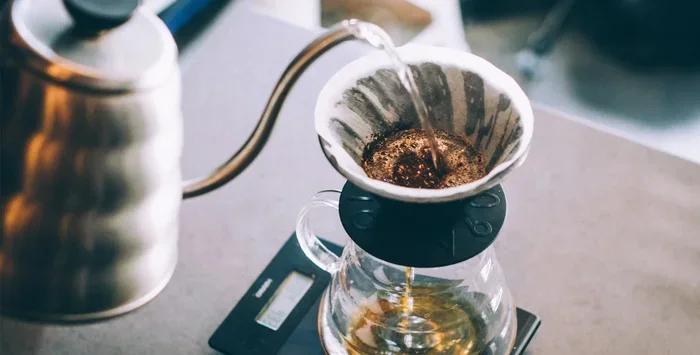
Pour over coffee gives you more control over the brewing process. You manually pour hot water over the grounds in slow circles. This method can produce a very clean and nuanced cup. However, it takes more time and practice.
Drip brewed coffee automates this process. The machine handles the water distribution and timing for you. The result is a very similar flavor profile, but with far less effort. For most people, the convenience of a drip machine makes it the better daily choice.
Drip Coffee vs Espresso
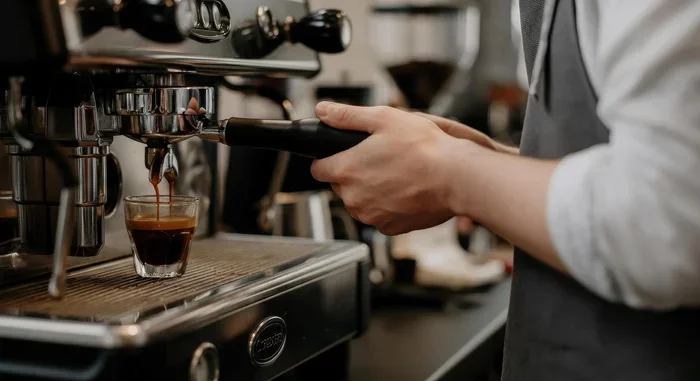
Espresso uses high pressure to force water through finely ground coffee. It produces a concentrated, intense shot with a layer of crema on top. Espresso machines are expensive and require some skill to operate.
Drip brewed coffee uses gravity instead of pressure. It makes a larger volume of coffee at a lower concentration. This makes it ideal for sharing or drinking throughout the morning. If you want a quick and easy cup without the fuss, drip brewing wins every time.
Drip Coffee vs French Press
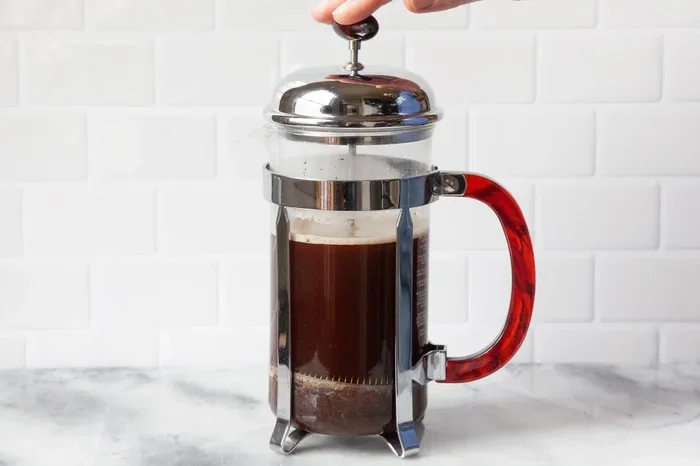
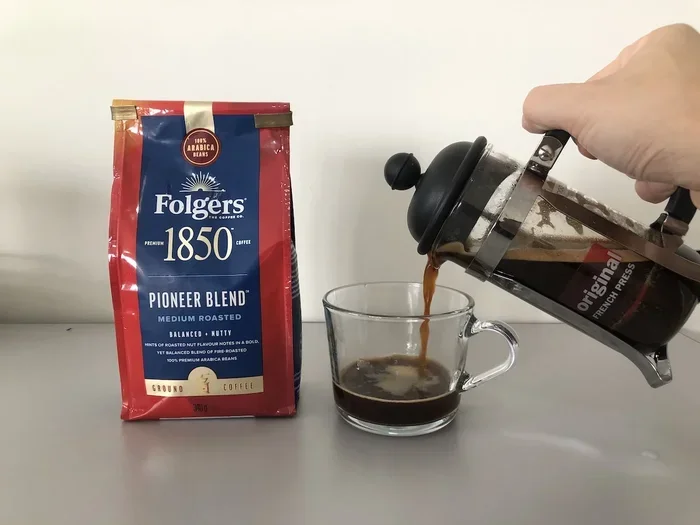
A French press steeps grounds in hot water for four minutes and then uses a plunger to separate the liquid from the grounds. The result is a full-bodied, rich cup with more oils and sediment.
Drip brewed coffee uses a filter that removes more of the oils and fine particles. This gives you a cleaner, smoother taste. The French press is better if you love a heavy, robust mouthfeel. The drip method is better if you prefer a lighter, cleaner cup.
Benefits of Drip Brewed Coffee
There are many reasons why drip brewed coffee remains the most popular brewing method in homes and offices around the world. Here are the biggest advantages.
- Simplicity: You add water, add grounds, and press a button. The machine does the rest. This makes it perfect for busy mornings.
- Consistency: Once you find a ratio and grind size you like, the machine delivers the same great cup every single time.
- Batch Brewing: Most drip machines brew 10 to 14 cups at once. This is perfect for families, offices, or when you have guests over.
- Affordability: Basic drip coffee makers cost between 20 and 50 dollars. Even premium models rarely exceed 200 dollars. That is a small price for years of daily coffee.
- Easy Cleanup: You toss the used paper filter and grounds, rinse the carafe, and you are done. There is very little mess compared to other methods.
- Versatility: You can use any type of coffee bean or grind size. You can also make regular coffee, strong coffee, or even iced coffee with your drip machine.
One thing many people overlook is maintenance. To keep your machine running smoothly, you should decalcify it regularly. Mineral buildup from hard water can affect the taste and performance of your machine. If you want to learn more about keeping your coffee equipment in top shape, read about how to decalcify a Keurig coffee maker for helpful tips that apply to most drip machines as well.
Tips for the Perfect Cup of Drip Brewed Coffee
Making great drip brewed coffee is easy once you know a few key tips. These small adjustments can make a huge difference in flavor.
Use Fresh, Cold Water
The water you use makes up over 98 percent of your coffee. If your tap water tastes bad, your coffee will taste bad too. Always use fresh, cold filtered water. Avoid hot water from the tap because it can contain off-flavors and excess chlorine.
Measure Your Coffee Grounds
Scooping grounds by hand leads to inconsistency. Use a measuring spoon or a kitchen scale for precision. The standard ratio is one to two tablespoons of coffee per six ounces of water. Adjust this to your taste over time.
Clean Your Machine Regularly
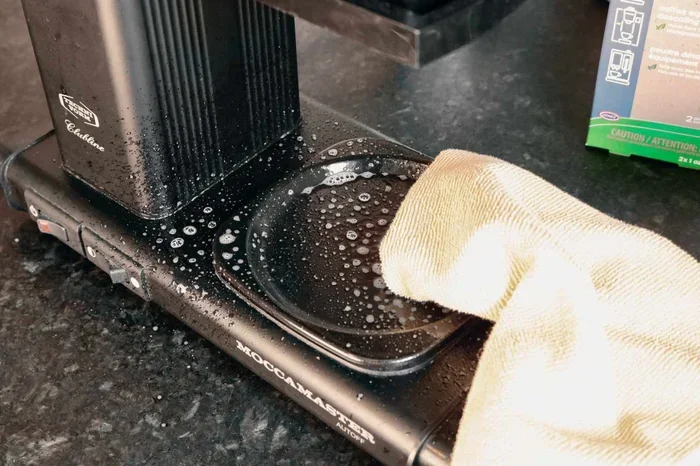
Oil residue from coffee beans builds up inside the machine over time. This can make your coffee taste rancid or stale. Run a cleaning cycle with white vinegar and water once a month. Rinse thoroughly with plain water afterward.
Store Your Beans Properly
Oxygen, light, heat, and moisture are the enemies of fresh coffee beans. Store them in an airtight container at room temperature. Avoid storing beans in the freezer because moisture can damage the flavor. Buy beans in small batches and use them within a few weeks for the best taste.
Experiment with Grind Size
If your coffee tastes bitter, try a coarser grind. If it tastes weak or sour, try a slightly finer grind. Small changes in grind size can dramatically affect the flavor of your drip brewed coffee. A burr grinder gives you the most consistent results compared to a blade grinder.
Quick Tips for Better Drip Coffee
- Always pre-wet the paper filter before brewing to remove any papery taste.
- Run a blank water cycle through a new machine before brewing your first pot.
- Use water that is between 195 and 205 degrees for optimal extraction.
- Grind your beans just before brewing for the freshest flavor possible.
- Do not let brewed coffee sit on the warming plate for more than 20 minutes.
Common Mistakes to Avoid
Even experienced coffee drinkers make mistakes sometimes. Here are the most common ones with drip brewed coffee and how to fix them.
- Using the Wrong Grind Size: Too fine causes clogging and bitterness. Too coarse causes weakness and sourness. Stick to a medium grind for drip machines.
- Ignoring the Water Ratio: Too much water makes weak coffee. Too little water makes it overpowering. Follow the ratio on your machine or use a scale.
- Old or Stale Beans: Coffee beans lose flavor after about two to four weeks. Always check the roast date before buying.
- Skipping Machine Cleaning: Mineral deposits and coffee oils build up fast. Clean your machine at least once a month.
- Reheating Brewed Coffee: Reheating breaks down the flavors and makes coffee taste burnt. Brew only what you plan to drink right away.
By avoiding these mistakes, you will notice a big improvement in the taste of your daily cup. If you ever wonder whether your oven is working correctly, which is important if you use an oven for baking or roasting alongside your coffee routine, you can learn how to tell if your oven is not heating properly to make sure everything in your kitchen is running smoothly.
Is Drip Brewed Coffee Healthy
Many people enjoy their daily cup of drip brewed coffee not just for the taste but also for the health benefits. Coffee is one of the most studied beverages in the world, and the research is largely positive.
Moderate coffee consumption has been linked to several health benefits. It contains antioxidants that help fight inflammation in the body. Some studies suggest it may lower the risk of type 2 diabetes, Parkinson’s disease, and certain types of liver disease. Coffee also provides a natural boost in alertness and focus thanks to its caffeine content.
However, it is important to drink coffee in moderation. Too much caffeine can cause jitters, anxiety, and sleep problems. A moderate intake of about three to four cups per day is generally considered safe for most adults. If you are sensitive to caffeine, consider switching to decaf in the afternoon or evening.
What you add to your coffee also matters. Sugar and cream can add calories and reduce some of the health benefits. Drinking your drip brewed coffee black or with a small amount of milk is the healthiest way to enjoy it.
The History and Popularity of Drip Brewed Coffee
Drip brewed coffee has a rich history that goes back over a century. The first automatic drip coffee maker was patented in the early 1900s, but it did not become a household staple until the mid-20th century. The invention of the paper filter by Melitta Bentz in 1908 was a game changer. It made brewing cleaner and more convenient than the cloth filters that were common before.
By the 1970s and 1980s, drip coffee makers became affordable and widespread. Brands like Mr. Coffee brought the machine into millions of American kitchens. Today, drip brewing is the dominant method in the United States and many other countries. Coffee shops and offices rely on large drip machines to serve crowds throughout the day.
The popularity of drip brewed coffee shows no signs of slowing down. Even as specialty coffee culture grows and new brewing methods emerge, the simple drip machine remains a trusted companion for everyday coffee drinkers. Its combination of ease, affordability, and consistent quality makes it hard to beat.
Frequently Asked Questions
What is the difference between drip coffee and regular coffee?
There is no real difference. “Drip coffee” and “regular coffee” refer to the same brewing method. Hot water drips through coffee grounds in a filter and collects in a carafe. This is the standard method used in most homes and offices around the world.
Can I use any coffee beans for drip brewing?
Yes, you can use any type of coffee bean for drip brewed coffee. Medium roasts work best for most people because they offer a balanced flavor. But you can experiment with light or dark roasts to find what suits your taste. Just make sure to grind the beans to a medium consistency before brewing.
How long does drip brewed coffee stay fresh?
Freshly brewed drip coffee tastes best within 20 to 30 minutes. If you store it in a thermal carafe, it can stay warm and flavorful for up to two hours. After that, the coffee starts to lose its aroma and taste. Avoid leaving brewed coffee on a warming plate for too long, as it can turn bitter.
Is drip coffee stronger than pour over coffee?
Not necessarily. The strength of your coffee depends on the ratio of grounds to water, not the brewing method. You can make drip brewed coffee just as strong or as mild as pour over coffee by adjusting the ratio. The main difference is that pour over gives you more control over the process, while drip is more hands-off.
Do I need a special coffee grinder for drip brewing?
You do not need a special grinder, but a burr grinder is recommended. It produces a more consistent grind size, which leads to better extraction and a more balanced cup. A blade grinder works too, but it creates uneven particles that can result in some over-extracted and some under-extracted coffee.
Can I use a reusable filter instead of paper filters?
Yes, many drip coffee makers come with a reusable mesh filter. These filters are eco-friendly and save money over time. However, paper filters produce a cleaner cup by trapping more oils and fine particles. Try both and see which one you prefer for your drip brewed coffee.
Conclusion
Drip brewed coffee is more than just a morning routine. It is a simple, reliable, and delicious way to enjoy one of the world’s most beloved beverages. From the moment you fill the water reservoir to the moment you take that first sip, the process is designed to be easy and rewarding.
The beauty of drip brewed coffee lies in its balance. It is convenient without sacrificing quality. It is consistent without being boring. And it works for everyone, whether you drink one cup a day or serve a crowd. With the right beans, the right grind, and a little practice, you can brew a cup that rivals anything from your favorite coffee shop.
So the next time you brew a pot, pay attention to the details. Use fresh beans, clean your machine regularly, and experiment with ratios until you find your perfect cup. Once you master the basics of drip brewed coffee, you will never look back. Your mornings will never be the same.