How To Know If My Skillet Is Oven Safe For Cooking
Knowing whether your skillet is oven safe saves money, prevents accidents, and improves your cooking results. A skillet that cannot handle high heat may warp, release harmful chemicals, or suffer damage to its handle. This guide shows you exactly how to check if your pan belongs in the oven, covering materials, construction details, and manufacturer guidelines so you can cook with total confidence.
You just pulled out your favorite skillet and had a brilliant idea. What if you started this dish on the stovetop and finished it off in the oven? It sounds like a great plan. But then a tiny voice in the back of your mind asks, “Wait, is this skillet even oven safe?”
That little question can save you a lot of headaches. Putting the wrong pan in a hot oven can ruin your cookware, damage your oven, or even release harmful chemicals into your food. The good news is that figuring out whether your oven safe skillet is a lot simpler than you might think. You just need to know what to look for.
In this guide, we walk you through every step to determine if your skillet can handle oven heat. Whether you own a cast iron skillet, a non-stick frying pan, or a fancy stainless steel set, you will find clear answers here. By the end, you will never second-guess yourself again.
Key Takeaways
- Check the manufacturer label: The easiest way to confirm if your skillet is oven safe is to look for a symbol or text on the bottom of the pan or the original packaging.
- Material matters most: Cast iron, stainless steel, and carbon steel skillets are almost always oven safe, while non-stick coatings have strict temperature limits.
- Handle type is critical: Silicone-wrapped or riveted metal handles handle oven heat better than plastic or wooden grips that can melt or burn.
- Watch for temperature ratings: Every oven safe skillet has a maximum temperature limit. Exceeding it can ruin the pan and release toxic fumes.
- Look for the oven-safe symbol: A little oven icon on the pan base is the universal sign that your skillet can go in the oven safely.
- When in doubt, check the manual: Contacting the cookware manufacturer directly can clear up any confusion about whether your specific pan model handles oven use.
📑 Table of Contents
- How To Tell If Your Skillet Is Oven Safe
- Common Skillet Materials and Their Oven Limits
- Checking the Handle and Construction Details
- Signs Your Skillet Might Not Be Oven Safe
- Best Oven Safe Skillets for Your Kitchen
- Tips for Using a Skillet in the Oven Safely
- Common Mistakes People Make with Oven Skillets
- Expert Insights on Oven Safe Cookware
- Key Takeaways
- Conclusion
How To Tell If Your Skillet Is Oven Safe
The first thing you should do is flip your pan over and look at the bottom. Most cookware brands print important information right on the base. You might see words like “oven safe,” a temperature rating, or a small oven icon. These markings tell you everything you need to know.
If you cannot find anything on the pan, do not panic. There are other ways to figure it out. Let us walk through them one by one so you can feel totally confident about using your pan in the oven.
Check the Manufacturer’s Packaging or Website
Think back to when you bought the skillet. Did you keep the box or the instruction manual? Those documents usually list the maximum oven temperature. Most brands also have a website where you can look up your specific model. Just search for the product name and check the “specifications” or “care instructions” section.
Look for the Universal Oven-Safe Symbol
Many pans come with a small printed symbol that looks like a little oven. Some brands also use a picture of a pan with waves underneath, which means it is safe for both oven and dishwasher use. If you spot either of these symbols, your skillet is good to go. Just make sure you stay within the temperature range printed nearby.
Call or Email the Manufacturer
If you really cannot find any information, reach out directly to the company. Most cookware brands have a customer service line or an email address on their website. They deal with this question all the time and can give you a fast, clear answer. Do not guess. It is always better to ask.
Common Skillet Materials and Their Oven Limits
Not all skillets are created equal. The material your pan is made from plays a huge role in determining whether it can go in the oven and at what temperature. Let us break down the most common materials you will encounter in any kitchen.
Cast Iron Skillets
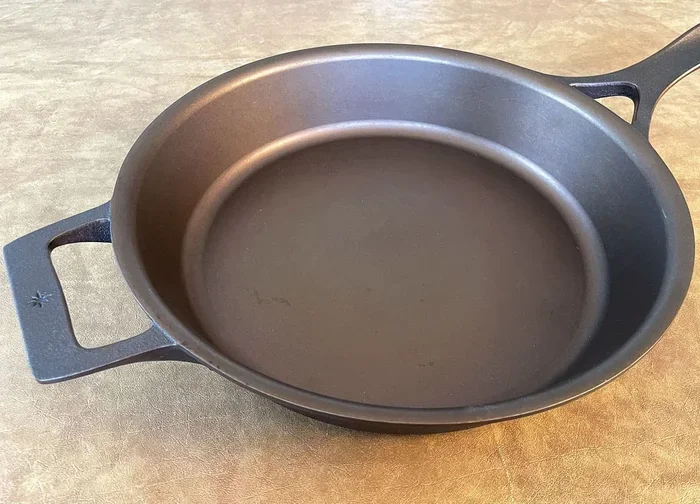
Cast iron skillets are the champions of oven safety. Almost every cast iron pan can handle temperatures up to 500°F or higher. That is because cast iron is a single solid piece of metal from handle to base. There are no glued parts, no plastic grips, and no coatings that can break down under heat. This makes cast iron one of the most reliable heat resistant skillet options you can own.
One thing to keep in mind is that cast iron retains heat incredibly well. So if you are using a cast iron skillet in the oven, always use thick oven mitts. The handle will be just as hot as the pan itself.
Stainless Steel Skillets
Most stainless steel skillet pans are oven safe, typically up to temperatures between 500°F and 600°F. Stainless steel is a durable metal that handles high heat without warping or releasing any harmful substances. However, if your stainless steel pan has a non-stick coating or a plastic-wrapped handle, those parts may not be oven safe.
Always check the full construction of the pan, not just the base material. A stainless steel skillet with a silicone-wrapped handle might have a lower oven limit than one with a metal handle.
Carbon Steel Skillets
Carbon steel pans are very similar to cast iron in terms of oven safety. They are made from a single piece of metal and can usually handle temperatures up to 500°F or more. Professional chefs love carbon steel skillets because they heat up fast and work beautifully on both the stovetop and in the oven.
Non-Stick Skillets
Here is where things get tricky. Many non stick skillet pans have a maximum oven temperature of around 350°F to 400°F. Some can handle higher heat, but it depends entirely on the coating brand and type. Exceeding the temperature limit on a non-stick pan can cause the coating to break down and release toxic fumes. That is a serious safety concern.
If you love using a non stick skillet oven combination, always check the manual first. Look for pans labeled as “thermolon” or “ceramic coated,” as these often have higher heat tolerances than traditional PTFE-based non-stick coatings.
Aluminum Skillets
Plain aluminum pans are generally oven safe up to about 400°F to 500°F. However, many aluminum skillets have anodized coatings or non-stick surfaces that may have their own temperature limits. Always verify the full pan specifications before putting an aluminum skillet in a hot oven.
Ceramic and Enamel-Coated Skillets
Ceramic-coated pans and enamel-coated skillets, like those from Le Creuset or Staub, are typically oven safe. They can usually handle temperatures between 450°F and 500°F. The enamel coating is essentially glass fused to metal, which makes it very stable under heat. Just avoid sudden temperature changes, as this can cause thermal shock and crack the coating.
| Material | Typical Max Oven Temp | Oven Safe? |
|---|---|---|
| Cast Iron | 500°F+ | Yes, almost always |
| Stainless Steel | 500°F – 600°F | Yes (check handle) |
| Carbon Steel | 500°F+ | Yes, almost always |
| Non-Stick (PTFE) | 350°F – 400°F | Usually, with limits |
| Aluminum | 400°F – 500°F | Yes (check coating) |
| Ceramic Coated | 450°F – 500°F | Yes |
| Enamel Coated | 450°F – 500°F | Yes |
Checking the Handle and Construction Details
The base material of your skillet is only half the story. The handle and any other attached parts play a huge role in determining whether your pan is truly oven safe. A great pan body with a plastic handle is not oven safe, no matter what the base is made of.
Riveted Metal Handles
Pans with riveted metal handles are the most oven-friendly design. The handle is attached with metal rivets, and the entire piece is made of metal. This means it can handle the same high temperatures as the pan body without any risk of melting or off-gassing. Many professional-grade skillets use this construction.
Silicone-Wrapped Handles
Some modern skillets feature silicone-wrapped handles. These can be oven safe, but only up to a certain temperature. Most silicone handles are rated for around 400°F to 450°F. If you plan to use your pan at very high temperatures or under the broiler, check the silicone rating carefully.
Plastic or Bakelite Handles
Pans with plastic or Bakelite handles are generally not oven safe. These materials start to soften and can release harmful fumes at relatively low temperatures, often around 300°F to 350°F. If your skillet has a plastic knob on the handle or a plastic rivet, keep it on the stovetop only.
Wooden Handles
Wooden handles look beautiful, but they are not oven safe. Wood can dry out, crack, or even catch fire when exposed to high oven temperatures. If your skillet has a wooden handle, it should stay on the stovetop or be used with a separate oven-safe handle cover.
Detachable Handles
A growing number of cookware brands offer skillets with detachable handles. These are brilliant for oven use because you simply remove the handle before sliding the pan into the oven. If you own one of these, make sure you are using the correct oven-safe base pan and that the handle is fully detached before cooking.
Signs Your Skillet Might Not Be Oven Safe
Sometimes the warning signs are right in front of you, but you might not notice them. Here are the red flags that suggest your skillet should not go in the oven.
Plastic or Rubber Components
If your skillet has any plastic or rubber parts, it is probably not oven safe. This includes plastic knobs, rubber grips, or silicone pieces that are not rated for high heat. Even small plastic pieces can melt inside a hot oven and create a mess or release toxic fumes.
Non-Stick Coating with No Oven Rating
If your pan has a non-stick coating but no oven temperature listed anywhere, treat it as not oven safe. The coating could be damaged by high heat, which not only ruins the pan but can also release harmful compounds into your food.
Warped or Damaged Pans
A warped skillet is a sign of previous heat damage. If the pan does not sit flat on the stovetop or has visible warping, it may not be safe for oven use either. Warping often happens when a pan that is not oven safe is accidentally exposed to high heat. Using a warped pan in the oven can cause uneven cooking and potential safety issues.
Loose or Wobbly Handles
If the handle feels loose or wobbly, do not put that pan in the oven. A detached handle inside a hot oven is a serious safety hazard. It can cause burns, spills, and damage to your oven. Get the handle fixed or replace the pan before using it in any high-heat situation.
Painted or Decorated Surfaces
Skillets with decorative painted designs on the outside may not be oven safe. The paint can bubble, peel, or release fumes at high temperatures. If you love the look of a decorated pan, keep it for display or stovetop-only use.
Best Oven Safe Skillets for Your Kitchen
If you are in the market for a new oven safe skillet, you have plenty of excellent options. Here are some of the best choices based on material, durability, and oven performance.
Lodge Cast Iron Skillet
The Lodge cast iron skillet is a classic for a reason. It is affordable, incredibly durable, and oven safe up to 500°F or higher. It works beautifully on the stovetop, in the oven, and even over a campfire. The only downside is the weight, but that is part of what makes cast iron so effective at retaining heat.
All-Clad Stainless Steel Skillet
For a lighter option with excellent heat distribution, the All-Clad stainless steel skillet is a top pick. It is oven safe up to 600°F and features a riveted metal handle that can handle the heat. This pan is a favorite among home cooks and professional chefs alike.
Tramontina Carbon Steel Skillet
The Tramontina carbon steel skillet offers the best of both worlds. It is lightweight like non-stick pans but heats up like cast iron. It is oven safe and develops a natural non-stick surface over time with proper seasoning. This is a great heat resistant skillet for everyday cooking.
GreenPan Ceramic Non-Stick Skillet
If you prefer non-stick convenience, GreenPan offers ceramic-coated options that are oven safe up to 450°F. The ceramic coating is free of PFAS, PFOA, and cadmium, making it a healthier choice for high-heat cooking. Just remember to stay within the temperature limit.
Tips for Using a Skillet in the Oven Safely
Once you have confirmed that your oven safe skillet can handle the heat, follow these simple tips to get the best results and keep your pan in great shape for years to come.
Always Preheat the Oven First
Never put a cold skillet into a preheated oven. The sudden temperature change can cause thermal shock, which may warp the pan or crack the coating. Let the oven reach the desired temperature first, then place your skillet inside on a safe, heat-resistant surface.
Use Oven Mitts Every Time
Even if your skillet has a metal handle, always use oven mitts when removing it from the oven. Metal handles heat up fast and can cause serious burns. Keep a good pair of oven mitts near your oven at all times.
Avoid Sudden Temperature Changes
Do not take a piping hot skillet straight from the oven and place it on a cold, wet surface. The sudden temperature shift can warp the pan or crack enamel coatings. Let the pan cool on a wooden cutting board or a dry towel instead.
Do Not Exceed the Maximum Temperature
Every oven safe skillet has a maximum temperature rating. Respect that limit. Going over it may not cause immediate damage, but repeated overheating can degrade the pan’s surface, weaken the handle attachment, and shorten the lifespan of your cookware.
Clean Your Skillet Properly After Oven Use
After cooking in the oven, let your skillet cool before washing it. Use warm water and mild dish soap for most materials. For cast iron, avoid soap and instead use a stiff brush and hot water to preserve the seasoning. Proper cleaning keeps your pan performing well for decades.
Store Your Skillet Correctly
When storing your oven safe skillet, hang it up or stack it with a protective layer between pans. This prevents scratches and dents that can weaken the pan over time. A well-stored skillet stays in great condition and performs better every time you use it.
Common Mistakes People Make with Oven Skillets
Even experienced cooks sometimes make mistakes when using skillets in the oven. Here are the most common ones to avoid.
Assuming All Non-Stick Pans Are Oven Safe
Many people assume that because a pan works on the stovetop, it is automatically safe for the oven. This is not true for non-stick pans. The coating has strict temperature limits, and going over them can damage the pan and release harmful fumes. Always verify the oven rating.
Ignoring the Handle Material
A beautiful stainless steel pan body does not make the whole skillet oven safe if the handle is plastic or wood. Always check every component of the pan, not just the base. A skillet oven safe rating means every part of the pan, including the handle, can handle the heat.
Using the Broiler Without Checking
The broiler element in your oven can reach temperatures well above 500°F. Even if your skillet is oven safe for baking, it may not be safe for broiling. Always check the maximum temperature rating before using the broiler function with your pan.
Forgetting About the Lid
If your skillet comes with a lid, check whether the lid is oven safe too. Glass lids can crack under high heat, and plastic knob lids will melt. Use an oven-safe metal lid or cover your pan with aluminum foil if needed.
Overheating an Empty Pan
Never preheat an empty oven safe skillet at high temperatures. An empty pan can overheat quickly, which may damage the surface, warp the metal, or release harmful fumes. Always add food or oil before placing the pan in the oven.
Expert Insights on Oven Safe Cookware
We spoke with a few professional chefs and cookware experts to get their take on oven safe skillets. Here is what they had to say.
Chef Maria Gonzalez, a professional chef with over 15 years of experience, says: “The most important thing I tell my students is to always check the handle. Nine times out of ten, the pan body is fine, but the handle is the weak link. A riveted metal handle is your best friend for oven cooking.”
Cookware expert James Liu adds: “People underestimate the importance of thermal shock. A pan that goes from a hot oven to a cold countertop can warp in seconds. Always let your pan cool gradually, and never place a hot pan on a cold or wet surface.”
These expert tips reinforce what we have covered throughout this guide. The key to using a skillet oven safe confidently is knowing every detail about your pan, from the material to the handle to the maximum temperature rating.
Key Takeaways
- Always look for the oven-safe symbol or label: The bottom of your pan or the original packaging will tell you if the skillet is oven safe and at what temperature limit.
- Cast iron and carbon steel are the most forgiving materials: They handle very high temperatures with no issues, making them ideal for oven-to-stovetop cooking.
- Handle material matters just as much as the pan body: Plastic, wood, and rubber handles are not oven safe, even if the pan itself can handle high heat.
- Non-stick pans have strict temperature limits: Most non-stick coatings begin to degrade above 400°F, so always check the rating before using them in the oven.
- Avoid sudden temperature changes: Let your pan cool gradually and never place a hot skillet on a cold surface to prevent warping and damage.
- When in doubt, contact the manufacturer: A quick email or phone call can clear up any confusion about whether your specific skillet model is oven safe.
Conclusion
Figuring out if your skillet is oven safe does not have to be confusing or stressful. With the right knowledge, you can make smart decisions every time you cook. Start by checking the bottom of your pan for symbols, labels, or temperature ratings. Then examine the handle material and any other components that might be affected by heat.
Remember that cast iron, stainless steel, and carbon steel skillets are almost always oven safe, while non-stick pans require more caution. Always respect the maximum temperature limit and never expose your pan to sudden temperature changes.
Your kitchen tools are an investment, and taking care of them starts with using them correctly. Now that you know exactly how to tell if your skillet is oven safe for cooking, you can confidently start new recipes that combine stovetop searing with oven finishing. The results will be worth it.
So go ahead. Pull out your skillet, check those markings, and start cooking. Your next great meal is waiting, and now you have the knowledge to make it happen safely and successfully.
Frequently Asked Questions
Can I put a non-stick skillet in the oven?
It depends on the coating and the manufacturer’s rating. Many non-stick skillets are oven safe up to 350°F or 400°F, but some can handle higher temperatures. Always check the bottom of the pan or the manual for the specific oven temperature limit before using a non-stick skillet in the oven.
How can I tell if my skillet is oven safe without the box?
Flip the skillet over and look at the base for any oven-safe symbols, temperature ratings, or text. If you find nothing, visit the manufacturer’s website and search for your model number. You can also contact customer service directly for confirmation.
Is a cast iron skillet always oven safe?
Almost always. Cast iron skillets are made from a single solid piece of metal and can typically handle temperatures up to 500°F or higher. However, if your cast iron skillet has a synthetic handle cover or a painted decorative surface, check those specific components for heat limits.
What happens if I put a non-oven-safe skillet in the oven?
The handle may melt, the coating may release toxic fumes, or the pan may warp and become unusable. In some cases, melting plastic can also create a fire hazard. Always verify oven safety before placing any skillet in a hot oven.
Can I use my skillet under the broiler?
Only if the skillet and its handle are rated for broiler temperatures, which can exceed 500°F. Most standard oven safe skillets are not broiler safe unless specifically stated. Check the manufacturer’s guidelines before using any pan under the broiler.
Are skillet lids oven safe?
Not always. Glass lids can crack under high heat, and plastic knob lids will melt. If your skillet lid has a metal knob and is made of tempered glass or metal, it is likely oven safe. Always check the lid separately from the skillet for oven ratings.