Why Does French Press Coffee Always Taste So Much Better
French press coffee taste better because of full immersion brewing, a metal filter that preserves oils, and a coarse grind that extracts rich flavor. The process avoids paper filters that absorb essential compounds, resulting in a robust, velvety cup. This guide explains the science, common mistakes, and tips for perfect brewing.
If you’ve ever wondered why French press coffee taste better than other brewing methods, you’re not alone. The rich, full-bodied flavor comes from a simple process that extracts more oils and aromas. Unlike drip machines that use paper filters, a French press uses a metal filter that lets fine particles and essential oils pass through. The result is a robust cup with a velvety mouthfeel and deep flavor. In this guide, we’ll break down exactly why French press coffee taste better and how you can make it at home.
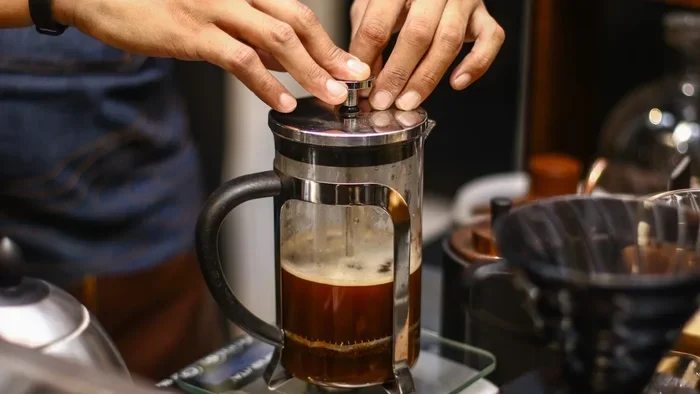
Making coffee at home is a ritual for millions of people. The French press stands out as one of the most popular ways to brew a rich, satisfying cup. It requires no electricity, no paper filters, and just a few simple steps. Many coffee lovers swear by its ability to deliver a fuller flavor compared to other methods. But what exactly makes this brewing method so special?
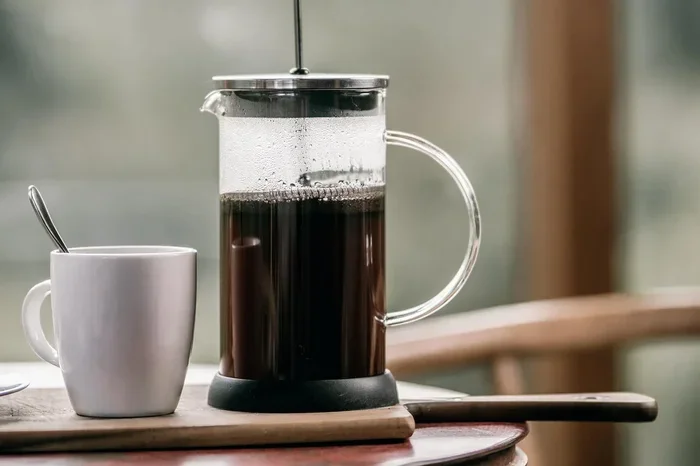
The answer lies in the design of the French press itself. The stainless steel plunger and mesh filter work together to extract more from the coffee grounds. This process preserves the natural oils that paper filters absorb. Understanding these basics helps you appreciate why this method produces such a delicious brew.
Key Takeaways
- Immersion brewing extracts more oils: The French press submerges grounds in water, releasing full flavor.
- Metal filter keeps coffee oils intact: Unlike paper filters, it lets fine particles and oils pass through.
- Coarse grind prevents over-extraction: A proper coarse grind ensures a smooth, rich cup without bitterness.
- Water temperature matters: Heating water to around 200°F brings out the best aroma and body.
- Steeping time is critical: Four minutes is the sweet spot for balanced flavor.
- Avoid common mistakes: Don’t use fine grounds or boil the water, or your coffee will taste harsh.
📑 Table of Contents
- The Science Behind Why French Press Coffee Tastes Better
- The Role of Grind Size and Steeping Time
- Metal Filter vs Paper Filter: The Flavor Difference
- Water Temperature and Its Role in Flavor
- Common Mistakes That Ruin French Press Flavor
- Tips for Brewing the Perfect Cup Every Time
- Key Takeaways
- Why French Press Coffee Feels So Good
- Conclusion
The Science Behind Why French Press Coffee Tastes Better
The French press relies on a method called immersion brewing. This means the coffee grounds sit fully submerged in hot water for several minutes. During this time, water extracts flavor compounds, oils, and aromas from the grounds. Because the grounds stay in contact with water the entire time, the extraction is more complete. Drip coffee makers, by contrast, pass water through a filter quickly. That fast flow doesn’t allow for the same depth of flavor.
Full Immersion Brewing
Immersion brewing is the secret to a rich cup. When coffee grounds are fully surrounded by water, every particle gets equal exposure. The water dissolves soluble compounds like caffeine, acids, and sugars. It also pulls out aromatic oils that give coffee its distinctive smell and taste. In a French press, the grounds steep peacefully. There’s no rushing the process. The water and coffee interact slowly, creating a balanced and complex flavor profile. This slow extraction is why French press coffee taste better than many quick brew methods.
Think of it like steeping a tea bag. The longer the bag sits in hot water, the stronger the flavor. A French press works the same way, but with coarser grounds and a longer steep. The result is a cup that feels heavier and more satisfying on the palate.
Extraction of Coffee Oils
One of the biggest differences is the presence of coffee oils. A paper filter traps these oils, letting only the liquid pass through. A metal filter in a French press is much more porous. It allows tiny coffee particles and oils to flow into your cup. These oils carry a lot of the flavor and aroma. They give the coffee a silky mouthfeel and a lingering finish. Many coffee drinkers notice that French press coffee has a more “natural” taste because the oils remain. The metal filter preserves what paper filters remove.
While a French press uses a coarse dry grind, some people ask if a coffee grinder can be used for wet grinding, which is a completely different process. Wet grinding is for making pastes or sauces, not for brewing coffee. For French press, you always want a dry, coarse grind to get the best extraction.
The Role of Grind Size and Steeping Time
Two factors control the flavor of French press coffee more than anything else: grind size and steeping time. Get these right, and you’ll notice an immediate difference. Get them wrong, and the coffee can taste bitter, sour, or muddy.
Why a Coarse Grind Is Essential
A coarse grind looks like sea salt. It’s much larger than the fine grind used for espresso. The large particles allow water to flow around them easily. This even flow prevents over-extraction, which causes bitterness. If you use a fine grind in a French press, the water can’t pass through properly. The coffee becomes sludgy and harsh. The mesh filter can also clog, making it hard to press the plunger down. Always use a coarse grind for a clean, smooth cup.
Some people wonder if a regular blade grinder can handle coarse grinding. A burr grinder is better because it creates a more consistent size. Consistent grounds mean even extraction. That’s a key reason why French press coffee taste better when you grind your own beans just before brewing.
Steeping Time: The Sweet Spot
The standard steeping time for French press coffee is four minutes. This gives the water enough time to extract flavor without pulling out too many bitter compounds. If you steep for only two minutes, the coffee will taste weak and sour. If you steep for ten minutes, it becomes over-extracted and harsh. Four minutes hits the sweet spot for a balanced, rich flavor.
Here’s a simple timeline to remember:
- 0 minutes: Add coarse grounds to the French press.
- 0:30: Pour hot water over the grounds and stir gently.
- 1:00: Place the lid on and let it steep.
- 4:00: Press the plunger down slowly and evenly.
- 4:30: Pour the coffee immediately to stop brewing.
Following this timeline ensures every cup is consistent. The French press doesn’t rush the process. It gives the coffee the time it needs to release its full character.
Metal Filter vs Paper Filter: The Flavor Difference
The type of filter is one of the main reasons French press coffee taste better than drip coffee. A paper filter catches most of the fine particles and oils. It produces a clean, bright cup. A metal filter does the opposite. It lets oils and micro-grounds pass through. This creates a heavier body and a more intense flavor. Some people describe French press coffee as “rustic” or “earthy” because of this.
Here’s a quick comparison of the two brewing approaches:
| Feature | French Press (Immersion) | Drip Machine |
|---|---|---|
| Brewing Method | Full immersion in hot water | Water passes through filter quickly |
| Filter Type | Metal mesh | Paper or permanent |
| Extraction Time | 4 minutes steeping | 5–10 minutes total cycle |
| Oil Retention | High | Low (paper filters absorb oils) |
| Body and Mouthfeel | Rich, velvety, heavy | Clean, light, bright |
| Flavor Profile | Bold, complex, robust | Smooth, subtle, clean |
Neither method is wrong. It’s a matter of preference. If you love the natural oils and a thicker mouthfeel, the French press is your best friend. If you prefer a bright, clean taste, a paper filter might be better. But for those who want a robust, aromatic cup, the metal filter is the way to go.
Water Temperature and Its Role in Flavor
Water temperature is often overlooked, but it plays a huge role in how coffee tastes. Too hot, and you’ll extract bitter compounds. Too cool, and you’ll get a weak, sour cup. The ideal temperature for French press coffee is between 195°F and 205°F. That’s just below boiling. Boiling water (212°F) can scorch the grounds and ruin the flavor.
Because microwaves are faster than ovens, many people use them to heat water quickly. But microwaves heat water unevenly, creating hot spots that can boil some parts while others stay cool. A kettle gives you steady, even heat. It also lets you see the water heat and pull it off the boil before pouring. For the best results, bring water to a boil and then let it sit for 30 seconds before pouring it over the grounds.