Can Coffee Make You Feel Drunk And How It Affects You
Can coffee make you feel drunk? The short answer is yes. Caffeine can mimic intoxication, causing dizziness, confusion, and slurred speech when you overdo it. This article explains the science, the signs, and how to enjoy coffee safely.
Have you ever felt woozy, dizzy, or even a little “drunk” after drinking too much coffee? You are not alone. Can coffee make you feel drunk? The answer is yes, and it happens more often than you might think. Caffeine is a powerful stimulant, and when you overdo it, your body can react in ways that feel a lot like intoxication. In this article, we will explore exactly how coffee can make you feel drunk, what the science says, and what you can do to avoid it.
Many people start their day with a cup of coffee to feel alert. But too much caffeine can backfire, causing jitters, nausea, and a foggy head. Whether you drink regular coffee, espresso, or iced coffee, the effects are the same. Understanding these effects helps you enjoy your favorite drink without the unpleasant side effects. So let us dive in and answer the big question: can coffee make you feel drunk?
If you love iced coffee, you might enjoy learning how to make your own Dunkin iced coffee at home. That way, you control the strength and can avoid the “drunk” feeling altogether.
Key Takeaways
- Caffeine Can Mimic Drunkenness: High doses of coffee can cause dizziness, slurred speech, and confusion similar to alcohol intoxication.
- It Is All About Dose: Drinking too much coffee too fast is the main reason you might feel “drunk.”
- Empty Stomach Makes It Worse: Consuming coffee on an empty stomach amplifies side effects like nausea and shakiness.
- Genetics Play a Role: Some people metabolize caffeine slowly, making them more sensitive to its effects.
- Coffee and Alcohol Are a Bad Mix: Combining them can mask intoxication and lead to risky behavior.
- Know Your Limit: Stick to 400 mg of caffeine a day (about 4 cups) to avoid negative reactions.
📑 Table of Contents
What Does It Mean When Coffee Makes You Feel Drunk?
When people say coffee makes them feel drunk, they usually mean a mix of dizziness, lightheadedness, and trouble focusing. It is not the same as alcohol intoxication, but the sensations can overlap. You might feel off-balance, slur your words a little, or struggle to think clearly. This is often called a caffeine buzz that tips into overload.
The feeling can hit fast, especially after a large cup or multiple shots of espresso. Some people describe it as a “coffee hangover” even though they just drank the coffee. The key is that your central nervous system is overstimulated. It is not alcohol doing the damage, it is caffeine pushing your body past its comfort zone.
How Caffeine Mimics Alcohol Effects
Caffeine blocks adenosine, a brain chemical that makes you feel tired. When adenosine is blocked, you get a rush of alertness. But too much caffeine can cause your brain to release extra adrenaline. That surge can lead to:
- Dizziness and vertigo
- Blurred vision
- Slurred or slow speech
- Loss of coordination
- A foggy, confused feeling
These are classic signs of intoxication, which is why many people say they feel drunk. The difference is that caffeine does not impair your judgment the way alcohol does, at least not in the same way. Still, the physical symptoms can be very real and very uncomfortable.
How Caffeine Affects Your Brain and Body
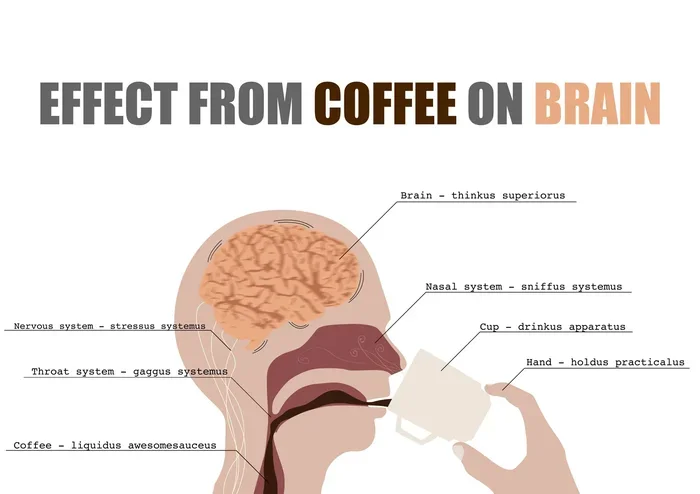
To understand why can coffee make you feel drunk, you need to know how caffeine works. It travels quickly through your bloodstream and reaches your brain within minutes. There, it blocks adenosine receptors. Adenosine normally builds up during the day and makes you sleepy. By blocking it, caffeine keeps you awake and alert.
But caffeine does not just affect sleepiness. It also triggers the release of dopamine and norepinephrine. These are feel-good and alertness chemicals. In small amounts, this is great. In large amounts, it can overwhelm your system. Your heart rate goes up, your muscles shake, and your brain races. That is when the “drunk” feeling sets in.
The Role of Adenosine
Adenosine is like a brake pedal for your brain. Caffeine blocks the brake, not the engine. So your brain keeps firing at full speed. When you drink too much coffee, the brake stays blocked for too long. Your brain tries to compensate by making more adenosine receptors. This can make you feel even more jittery and off-balance. It is a cycle that can leave you feeling drunk and drained at the same time.
Caffeine and Your Heart Rate
Caffeine stimulates your heart. It can make it beat faster and sometimes irregularly. This is called tachycardia. When your heart races, you might feel lightheaded or dizzy. That sensation is very similar to what you feel after a few drinks. If you already have a sensitive heart, this effect is stronger. It is one of the main reasons people feel drunk after coffee, especially on an empty stomach.
How Much Coffee Is Too Much?
The line between a helpful boost and a drunk feeling is thin. Most healthy adults can handle up to 400 mg of caffeine a day. That is about four 8-ounce cups of brewed coffee. But that number varies a lot from person to person. Some people feel the effects after just one cup, while others can drink a whole pot and feel fine.
If you drink more than 600 mg a day, you are likely to cross into uncomfortable territory. The symptoms can include:
- Restlessness and nervousness
- Insomnia or trouble sleeping
- Stomach upset and nausea
- Muscle tremors
- Fast or irregular heartbeat
At very high doses, caffeine can cause caffeine intoxication. This is a real medical condition listed in the DSM-5. It includes the drunk-like symptoms we talk about. The good news is it is almost always temporary and goes away once the caffeine wears off.
Signs of Caffeine Overdose
Caffeine overdose is rare, but it can happen if you consume a very large amount in a short time. Signs include:
- Severe dizziness and confusion
- Vomiting
- Chest pain
- Seizures (in extreme cases)
If you or someone else experiences these, seek medical help right away. For most people, the “drunk” feeling is just an uncomfortable overstimulation, not a true emergency. Still, it is a clear signal to cut back.
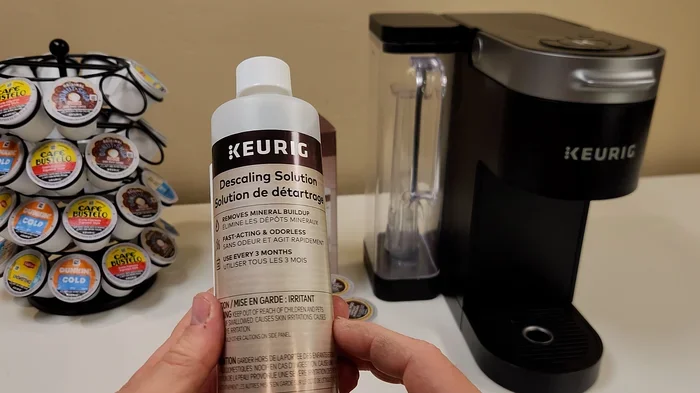
For tips on maintaining your machine, check how to decalcify a Keurig coffee maker to make sure your brewer is working at its best and you are not getting inconsistent cups that might push you over the limit.
Why You Might Feel Drunk After Just One Cup
Not everyone reacts the same way to coffee. Some people drink a single cup and feel perfectly fine. Others feel drunk after half a cup. Why the difference? Several factors play a role, and they all boil down to how your body handles caffeine.
Caffeine Sensitivity and Genetics
Your genes determine how fast you metabolize caffeine. Some people are fast metabolizers. The caffeine leaves their system quickly, so they feel little effect. Others are slow metabolizers. The caffeine lingers, building up and causing strong side effects. If you are a slow metabolizer, even a small amount of coffee can make you feel drunk, anxious, or jittery.
This is linked to a gene called CYP1A2. It controls the liver enzyme that breaks down caffeine. If you have a slow version of this gene, you are more likely to experience the “drunk” feeling. You can take a DNA test to find out, but you can also just pay attention to how you feel after coffee.
Coffee on an Empty Stomach
Drinking coffee on an empty stomach is a fast track to feeling drunk. Without food to slow absorption, caffeine hits your bloodstream quickly and hard. Your stomach acid also increases, which can cause nausea. That queasy, dizzy feeling can easily be mistaken for intoxication. If you know your stomach is sensitive, always eat something before you drink coffee. A simple snack like toast or a banana can make a big difference.
Coffee and Alcohol: A Dangerous Combination
Many people mix coffee and alcohol. A classic example is the Irish coffee. But combining these two drinks can be risky. Caffeine masks the depressant effects of alcohol. You feel more awake and alert than you actually are. This can lead you to drink more alcohol than you normally would, because you do not feel as drunk.
Why Mixing Them Feels So Bad
When caffeine and alcohol are both in your system, your body gets confused. Alcohol slows you down, caffeine speeds you up. The result is a kind of overstimulation that can feel like being drunk on a rollercoaster. You might feel:
- Wide awake but disoriented
- More impulsive than usual
- Dizzy and nauseous
- Dehydrated and exhausted
This combination can also lead to poor decision-making. You might think you are fine to drive, but your reaction time is still slowed by the alcohol. It is best to avoid mixing coffee and alcohol, or at least drink plenty of water in between.
How to Enjoy Coffee Without the Drunk Feeling
The good news is you can still love coffee and avoid the drunk feeling. It is all about how you drink it. Small changes can make a big difference. Here are practical tips to keep your coffee habit safe and enjoyable.
Practical Tips to Avoid the Jitters
Follow these simple rules to enjoy your coffee without the side effects:
- Limit your daily intake. Stick to 400 mg of caffeine or less. That is about four regular cups.
- Drink with food. Always have a meal or snack before or with your coffee. This slows absorption.
- Space out your cups. Do not drink multiple cups in a short time. Give your body time to process the caffeine.
- Stay hydrated. Coffee is a mild diuretic, which means it can dehydrate you. Drink water alongside your coffee.
- Choose lower caffeine options. Switch to decaf or half-caf if you are sensitive. You can still enjoy the taste without the buzz.
- Listen to your body. If you feel dizzy or shaky, stop drinking. Your body is telling you it has had enough.
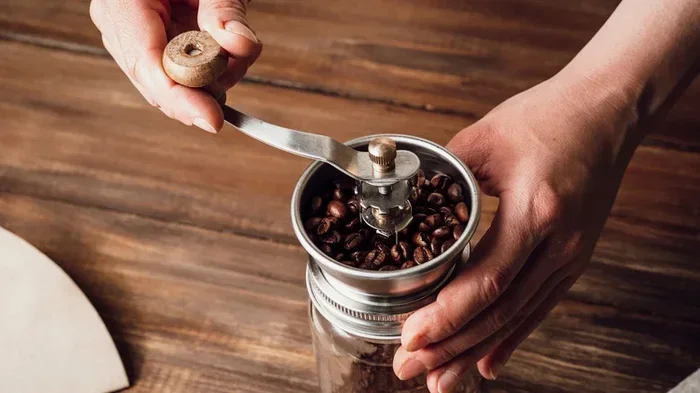
If you grind your own beans, you might wonder if a coffee grinder can be used for wet grinding. Check out can a coffee grinder be used for wet grinding to understand the limits and get the best texture for your brew.
Another helpful habit is to track how much caffeine you actually consume. A single shot of espresso has about 63 mg. A large Dunkin iced coffee can have over 300 mg. Add a soda or a chocolate bar, and you might be over the limit without realizing it. Awareness is your best tool.
When to Switch to Decaf
If you love the ritual of coffee but hate the drunk feeling, decaf is a great option. Decaf coffee still has a tiny amount of caffeine, usually 2 to 5 mg per cup. That is not enough to cause intoxication in most people. You get the flavor and the comfort without the side effects. Many decaf coffees today are high quality and taste great.
Conclusion
So, can coffee make you feel drunk? Yes, it absolutely can. The caffeine in coffee stimulates your brain and body in ways that can mimic intoxication. You might feel dizzy, confused, or off-balance, especially if you drink too much, too fast, or on an empty stomach. Genetics, tolerance, and mixing with alcohol all play a role. But the good news is that you have control. By knowing your limits, eating before you drink, and staying hydrated, you can enjoy coffee without the drunk feeling.
Remember that can coffee make you feel drunk is a real phenomenon backed by science. It is not just in your head. If you ever feel truly unwell after coffee, take a break and talk to a doctor. Otherwise, sip mindfully and savor every cup. Your perfect coffee experience is just a few smart choices away.
Frequently Asked Questions
Can one cup of coffee make you feel drunk?
For most people, one cup will not make them feel drunk. But if you are caffeine sensitive, have an empty stomach, or are a slow metabolizer, even one cup can cause dizziness and a drunk-like feeling. Pay attention to how your body reacts.
Why does coffee make me feel dizzy and lightheaded?
Caffeine increases your heart rate and can cause a temporary spike in blood pressure. This can reduce blood flow to your brain, leading to dizziness and lightheadedness. Drinking too fast or on an empty stomach makes it worse.
Is feeling drunk after coffee a sign of caffeine intolerance?
It can be. If you consistently feel drunk, anxious, or nauseous after small amounts of coffee, you might have a caffeine intolerance or sensitivity. Try reducing your intake or switching to decaf and see if the symptoms improve.
Can decaf coffee make you feel drunk?
Decaf coffee has very little caffeine, usually 2 to 5 mg per cup. It is unlikely to make you feel drunk. However, if you are extremely sensitive, even that small amount could cause mild side effects in rare cases.
How long does the drunk feeling from coffee last?
The effects typically peak within 1 to 2 hours and can last 3 to 5 hours. Caffeine has a half-life of about 5 hours, so half of it is still in your system after that time. Drinking water and eating food can help you recover faster.
What should I do if I feel drunk after drinking coffee?
Stop drinking coffee immediately. Drink plenty of water to stay hydrated. Eat a small snack to stabilize your blood sugar. Lie down if you feel dizzy. If symptoms are severe or include chest pain, seek medical attention.