Are Pod Coffee Machines Bad For You And Your Health
Pod coffee machines are convenient, but many people wonder if they are bad for your health. Most pod coffee makers use plastic pods that may expose you to chemicals like BPA. However, many brands now offer BPA-free pods and recyclable options. Overall, drinking coffee from a pod machine is generally safe when used correctly and maintained well.
Pod coffee machines have taken over kitchens around the world. They are fast, easy, and make a decent cup of coffee in seconds. But a growing number of people are asking a serious question: are pod coffee machines bad for you? The answer is not a simple yes or no. There are real concerns about plastic, chemicals, and waste. But there are also benefits that many people overlook.
In this article, we will look at everything you need to know about pod coffee machines and your health. We will cover what is inside those little pods, what the research says, and how you can use your machine safely. Whether you drink one cup a day or five, this guide will help you make informed choices about your daily brew.
Key Takeaways
- Most pod coffee machines are safe: When used as directed, they pose minimal health risks for most people.
- Plastic exposure is a concern: Some coffee pods contain plastic that may leach chemicals into your drink, especially when heated.
- BPA-free options exist: Many brands now offer pods labeled BPA-free, reducing chemical exposure.
- Maintenance matters: Regular cleaning and decalcifying your machine helps ensure safe, great-tasting coffee.
- Environmental impact is real: Single-serve pods create significant waste, which affects the planet and indirectly your health through pollution.
- Fresh coffee may be healthier: Grinding your own beans avoids the processed materials found in some pods.
- Moderation is key: As with any coffee, drinking in moderation keeps caffeine intake at healthy levels.
📑 Table of Contents
- What Exactly Is a Pod Coffee Machine?
- What Is Inside a Coffee Pod?
- Are Pod Coffee Machines Bad for Your Health?
- Common Health Concerns with Pod Coffee Machines
- The Benefits of Pod Coffee Machines
- Pod Coffee Machines vs Other Brewing Methods
- How to Use Pod Coffee Machines Safely
- Common Mistakes People Make with Pod Coffee Machines
- What Do Experts Say?
- Final Thoughts
What Exactly Is a Pod Coffee Machine?
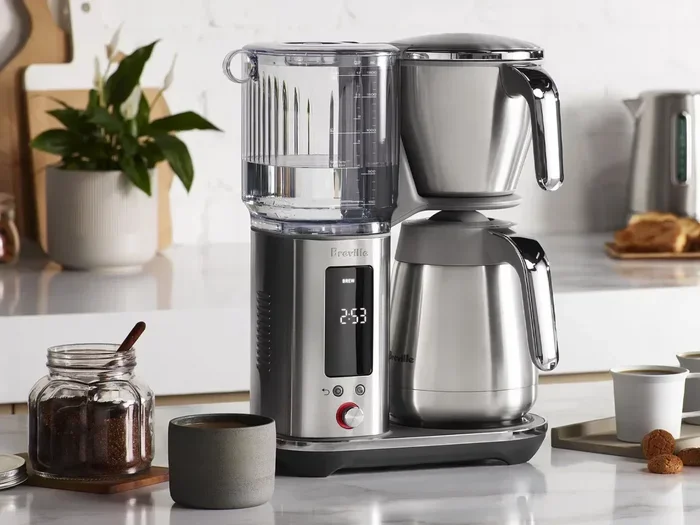
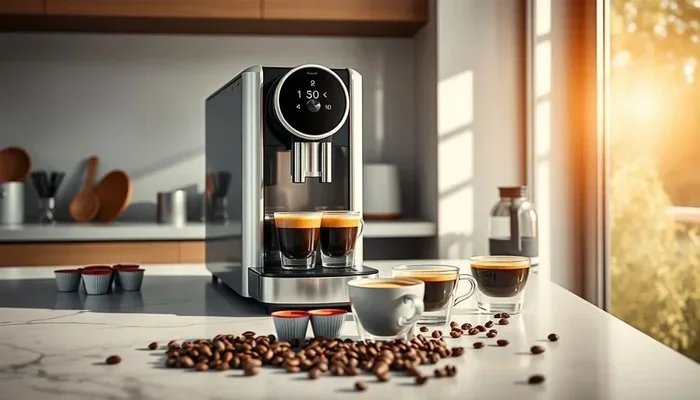
A pod coffee machine is a single-serve brewer that uses pre-packaged coffee pods or capsules. You insert a pod, press a button, and hot water pushes through the pod to extract coffee. The most well-known brand is the Keurig system, which uses K-cups. But there are many other brands and compatible pods on the market today.
These machines became popular because they are incredibly convenient. You do not need to measure coffee grounds, clean a filter, or wait for a full pot. In seconds, you have a fresh cup of coffee tailored to your taste. For busy mornings and office kitchens, this convenience is hard to beat.
However, convenience does not always mean healthiness. The materials used in pod construction, the heating process, and the way the machine operates all play a role in whether your daily coffee habit is truly safe.
What Is Inside a Coffee Pod?
To understand the health question, you need to know what goes into a coffee pod. Most pods have several layers. The outer shell is usually made of plastic or aluminum. Inside, there is a filter paper that holds the coffee grounds. The coffee itself is pre-ground and sealed with nitrogen to keep it fresh.
The Plastic Problem
The biggest health concern with pod coffee machines is plastic. Many pods contain plastic components that come into contact with hot water. When plastic is heated, it can release chemicals into your coffee. One of the most talked-about chemicals is BPA, or bisphenol A. BPA is an endocrine disruptor that can interfere with hormones in your body.
Some pod manufacturers have responded by offering BPA-free options. These pods use alternative plastics that do not contain BPA. However, even BPA-free plastics can release other chemicals when heated. The long-term effects of these alternatives are still being studied.
Aluminum Pods
Some coffee pods use aluminum instead of plastic. Aluminum pods are often recyclable and do not leach plastic chemicals. However, aluminum has its own concerns. Some research suggests that high aluminum exposure may be linked to health issues. The good news is that the amount of aluminum that leaches into coffee from a pod is generally very small.
Coffee Quality Inside Pods
The coffee inside pods is usually pre-ground and stored for long periods. This means the coffee may lose some of its natural antioxidants and flavor compounds over time. When you compare this to freshly ground beans, the quality difference is noticeable. Fresh coffee contains more beneficial compounds and a richer taste.
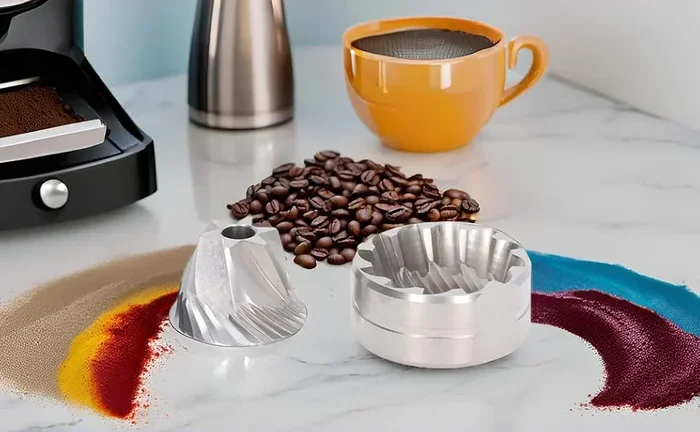
If you want the best flavor and health benefits, you might consider grinding your own beans. You can learn more about different grinding methods and whether a coffee grinder can handle wet ingredients in our guide on can coffee grinder be used for wet grinding.
Are Pod Coffee Machines Bad for Your Health?
This is the question everyone wants answered. The short answer is: for most people, pod coffee machines are not bad for you. But there are some real risks that you should be aware of.
Chemical Leaching
The main health risk comes from chemicals leaching from the pod into your coffee. When hot water passes through a plastic pod, it can dissolve small amounts of plasticizers and other chemicals. These substances end up in your cup. Studies have found that some coffee pods release measurable levels of microplastics and chemicals when exposed to hot water.
However, the amounts found in most studies are very small. Regulatory agencies in many countries have set safety limits for these substances. The risk depends on how often you drink pod coffee and what type of pods you use.
Caffeine Content
Pod coffee machines can affect your caffeine intake in unexpected ways. Because the pods are pre-portioned, you might assume each cup has the same amount of caffeine. But caffeine levels can vary widely depending on the brand, roast, and pod size. Some pods contain more caffeine than a standard cup of drip coffee, while others have less.
If you are sensitive to caffeine, this variability matters. Too much caffeine can cause anxiety, insomnia, rapid heartbeat, and digestive problems. It is a good idea to check the caffeine content on the packaging and monitor how you feel after drinking.
Microplastics in Your Coffee
A newer concern is microplastics. These are tiny plastic particles that can enter your coffee during the brewing process. Research published in recent years has found that hot water brewing in plastic pods can release billions of microplastic particles per liter. While the long-term health effects of microplastic consumption are still being studied, scientists agree that reducing exposure is wise.
Switching to glass or stainless steel reusable pods is one way to avoid this issue. You fill them with your own ground coffee and use them in your pod machine. This gives you the convenience of the machine without the plastic concern.
Who Should Be More Careful?
Certain groups should pay extra attention to their pod coffee habits. Pregnant women are often advised to limit caffeine intake. Children and teenagers may be more sensitive to the chemicals in plastic. People with hormone-related health conditions should also be cautious about potential endocrine disruptors.
If you fall into one of these groups, consider switching to a traditional brewing method or using a reusable pod with freshly ground beans.
Common Health Concerns with Pod Coffee Machines
Let us look at the specific health concerns that come up most often. Understanding these issues can help you decide if a pod coffee machine is right for you.
Endocrine Disruption
Some chemicals found in plastic pods can act as endocrine disruptors. These are substances that interfere with your body’s hormone system. Hormones control almost every function in your body, from metabolism to mood to reproduction. Even small disruptions over time can add up.
The main culprits are often phthalates and BPA. These chemicals are used to make plastic more flexible and durable. When heated, they can migrate into your coffee. Choosing pods labeled as free from these chemicals can reduce your exposure.
Acrylamide Formation
Acrylamide is a chemical that forms when coffee beans are roasted at high temperatures. It is present in all roasted coffee, not just pod coffee. However, some people worry that pod coffee might contain higher levels because of the processing and storage methods.
The truth is that acrylamide levels in pod coffee are generally similar to those in freshly brewed coffee. The roasting process is the main factor, not the brewing method. If you are concerned, choosing lighter roasts may reduce your acrylamide intake slightly.
Poor Machine Maintenance
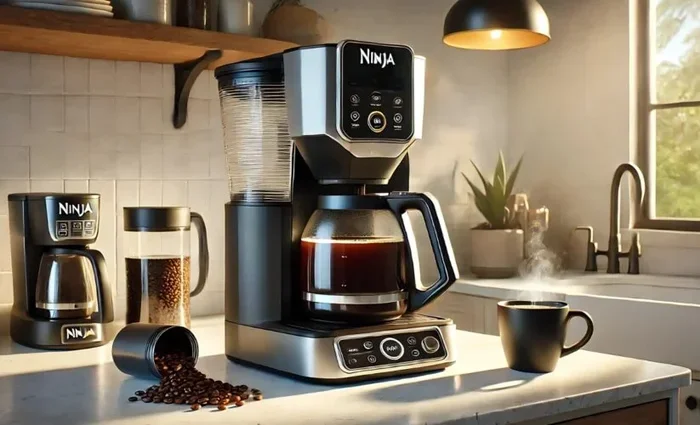
Another health concern is often overlooked: machine maintenance. If you do not clean your pod coffee machine regularly, bacteria and mold can build up inside. The water reservoir, pods holder, and needle that punctures the pod can all harbor germs.
Regular cleaning is essential. You should also decalcify your machine every few months to remove mineral buildup. Hard water can cause scale to accumulate inside the machine, which affects coffee taste and machine performance. You can find a detailed guide on how to decalcify a Keurig coffee maker to keep your machine running safely.
Additives and Flavored Pods
Flavored coffee pods are popular, but they come with extra concerns. Some flavored pods contain artificial flavors, sweeteners, or other additives. These chemicals are generally recognized as safe in small amounts. But if you drink multiple flavored pods a day, your total exposure adds up.
Plain, unflavored pods are a cleaner choice. You can always add your own natural flavorings like cinnamon or vanilla extract at home.
The Benefits of Pod Coffee Machines
It is important to look at both sides. Pod coffee machines do offer some genuine benefits that are worth considering.
Convenience and Consistency
The biggest benefit is convenience. Pod coffee machines make it easy to brew a single cup exactly how you like it. There is very little mess, and the process takes less than a minute. For people who live alone or have irregular schedules, this is a major advantage.
Portion Control
Pod machines give you built-in portion control. Each pod makes one cup, so you are less likely to over-brew or waste coffee. This can actually help you manage your caffeine intake more effectively than pouring from a large pot.
Wide Variety
Pod coffee machines offer an enormous range of coffee types. You can choose from dozens of brands, roasts, and flavors. Many machines also support tea, hot chocolate, and specialty drinks. This variety can encourage people to brew coffee at home instead of buying sugary drinks from cafes.
Less Waste Than You Think
While pod waste is a real environmental issue, it is worth noting that some brands now offer recyclable pods. Aluminum pods can be recycled in many areas. And the convenience of pod machines may reduce the number of disposable coffee cups you buy from coffee shops, which are often not recyclable.
Pod Coffee Machines vs Other Brewing Methods
To put things in perspective, let us compare pod coffee machines to other popular brewing methods. This table shows how they stack up on key health and quality factors.
| Factor | Pod Coffee Machine | Drip Coffee Maker | French Press | Espresso Machine |
|---|---|---|---|---|
| Plastic Exposure | Moderate to high (pods) | Low (glass/steel carafe) | Very low | Low |
| Coffee Freshness | Moderate (pre-ground) | Moderate (pre-ground) | High (fresh grind) | High (fresh grind) |
| Convenience | Very high | Moderate | Low | Low |
| Cost Per Cup | Low to moderate | Low | Low | Moderate to high |
| Waste | High (single-use pods) | Low (paper filter) | Low (coffee grounds) | Low (coffee grounds) |
| Health Risks | Moderate (chemicals, microplastics) | Low | Low | Low |
| Taste Quality | Good | Good | Rich and full-bodied | Excellent |
As you can see, pod coffee machines score well on convenience but fall behind on health and environmental factors. The trade-off is clear: you get speed and ease, but you accept some extra exposure to plastics and chemicals.
How to Use Pod Coffee Machines Safely
If you love your pod coffee machine and want to keep using it, there are steps you can take to reduce health risks.
Choose Quality Pods
Not all pods are created equal. Look for brands that use food-grade materials and are transparent about their ingredients. Brands that are third-party tested for chemical safety are your best bet. Avoid pods with artificial flavors and unnecessary additives.
Use Reusable Pods
Reusable pods are a game-changer. You fill them with your own ground coffee, which means you control exactly what goes into your cup. Stainless steel and glass reusable pods eliminate plastic exposure entirely. They are also much better for the environment because you use them over and over.
Clean Your Machine Regularly
Regular cleaning is essential for safe operation. Remove and wash the pod holder, water reservoir, and drip tray after each use. Run a water cycle without a pod once a week to flush out any buildup. And remember to decalcify your machine regularly, especially if you have hard water.
For more detailed instructions on keeping your machine clean, check out our guide on how to decalcify a Keurig coffee maker.
Avoid Overheating
Do not leave your pod machine on for extended periods when not in use. The heating element can cause materials inside the machine to degrade faster, which may increase chemical leaching. Turn off your machine after each use and only brew when you are ready to drink.
Drink in Moderation
No matter how you brew your coffee, moderation matters. Too much caffeine can cause jitters, anxiety, high blood pressure, and sleep problems. Stick to 3 to 4 cups per day, which is considered safe for most healthy adults. If you are sensitive to caffeine, limit yourself to one or two cups.
The Environmental Angle
While this is not strictly a health issue, environmental health affects your health too. Pod machines create enormous amounts of single-use waste. Billions of coffee pods end up in landfills every year. These pods take hundreds of years to decompose and can release harmful substances into the soil and water.
By choosing reusable pods or recyclable options, you are not just helping the planet. You are also reducing your own indirect exposure to pollutants that come from waste processing and environmental contamination.
Common Mistakes People Make with Pod Coffee Machines
Avoiding these mistakes can help you get safer, better coffee from your pod machine.
- Never cleaning the machine: This leads to bacteria buildup and mineral scale that affects both taste and safety.
- Using expired pods: Old coffee pods may have degraded materials and lose flavor quality. Check expiration dates before use.
- Using non-compatible pods: Third-party pods that are not designed for your machine may use lower-quality materials that leach more chemicals.
- Ignoring water quality: Using unfiltered tap water with high mineral content causes scale buildup faster and can affect the taste of your coffee.
- Reusing single-use pods: Some people try to use the same pod twice. This can cause bacterial growth and produces weak, unpleasant coffee.
What Do Experts Say?
Health experts generally agree that pod coffee machines are safe for most people when used properly. The key is to be mindful of the materials you are exposing yourself to and to maintain your machine well. Some nutritionists recommend switching to reusable pods or traditional brewing methods for daily use, and reserving pod machines for occasional convenience.
Dr. Sarah Chen, a food safety researcher, notes that “the risk from pod coffee machines is low for the average healthy adult, but it is not zero. Small changes like using reusable pods and cleaning regularly can significantly reduce any potential exposure.”
The consensus among experts is clear: pod coffee machines are a reasonable choice, but they are not the healthiest option available. If you are willing to make a few simple changes, you can enjoy your pod coffee with much less worry.
Final Thoughts
So, are pod coffee machines bad for you? The answer is nuanced. For most people, drinking coffee from a pod machine is perfectly safe. The health risks are real but relatively small, especially if you take some simple precautions.
The biggest concerns are plastic exposure, microplastics, and machine maintenance. By choosing quality pods, using reusable options, and keeping your machine clean, you can minimize these risks significantly. You get the convenience you love without putting your health in jeopardy.
Remember that coffee itself has many proven health benefits. It is rich in antioxidants, may reduce the risk of certain diseases, and can improve mental alertness. The brewing method matters, but the coffee itself is generally good for you. So enjoy your pod coffee, but be smart about how you use it.
Making informed choices about your coffee habit is one of the simplest things you can do for your long-term health. Start today by checking your pods, cleaning your machine, and considering a reusable option. Your future self will thank you.
Frequently Asked Questions
Are pod coffee machines safe to use every day?
Yes, for most healthy adults, using a pod coffee machine daily is safe. The key is to use quality pods, clean your machine regularly, and monitor your caffeine intake. If you have specific health concerns, talk to your doctor about the best brewing method for you.
Do pod coffee pods contain BPA?
Many older pod brands did contain BPA, but most major manufacturers now offer BPA-free options. Always check the label for BPA-free certification. Even BPA-free pods may contain other plastic chemicals, so using reusable pods is the safest choice.
Can pod coffee machines cause cancer?
There is no direct evidence that pod coffee machines cause cancer. Some studies have found trace chemicals released from heated plastic, but the levels are generally considered too low to pose a cancer risk. Using reusable pods or glass alternatives further reduces any theoretical risk.
Are reusable pods better than single-use pods?
Yes, reusable pods are generally better for both your health and the environment. They eliminate plastic exposure, reduce waste, and save money over time. You simply fill them with your favorite ground coffee and brew as usual.
How often should I clean my pod coffee machine?
You should clean your pod coffee machine after every use by removing the pod holder and rinsing it. Deep cleaning and decalcifying should be done every one to three months depending on how often you use it and how hard your water is.
Is pod coffee less healthy than regular coffee?
Potentially, yes. Pod coffee may contain trace amounts of plastic chemicals and microplastics that are not present in coffee brewed with traditional methods. However, the difference is small for most people. Using high-quality pods or reusable pods can close this gap significantly.