Can You Put Aluminum In The Toaster Oven Safely Today
Yes, you can put aluminum in a toaster oven, but there are important safety rules you must follow. Using aluminum foil or aluminum pans in a toaster oven can work well when done correctly, but doing it wrong can create fire hazards or damage your appliance. This guide covers everything you need to know about aluminum safety in a toaster oven, including tips, risks, and best practices.
Key Takeaways
- Aluminum foil is safe in a toaster oven when used properly and kept away from heating elements.
- Never cover the crumb tray or block airflow with aluminum, as this can cause overheating.
- Use small pieces of foil to cover food and prevent over-browning during toaster oven cooking.
- Aluminum pans and containers are generally safe for use in a toaster oven at recommended temperatures.
- Check your toaster oven manual before using any aluminum, as some models have specific restrictions.
- Avoid using aluminum with acidic foods like tomatoes or lemons, as this can affect taste and cause reactions.
- Always monitor your toaster oven when using aluminum for the first time to ensure safe operation.
📑 Table of Contents
- Can You Put Aluminum In The Toaster Oven Safely?
- How Aluminum Works Inside a Toaster Oven
- Is Aluminum Foil Safe in a Toaster Oven?
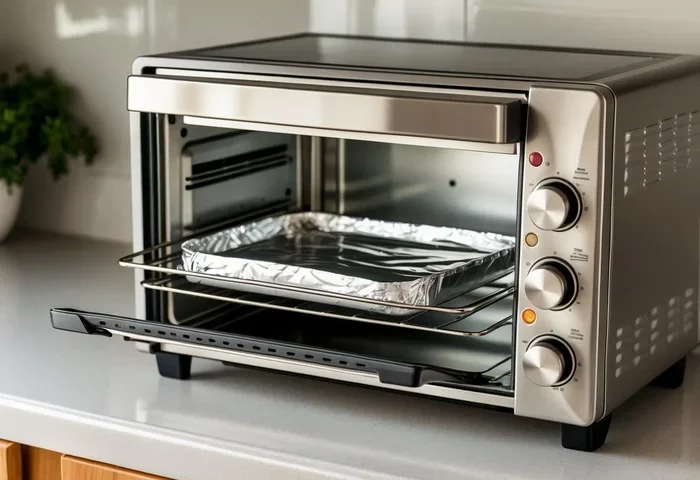
- Can You Use Aluminum Pans in a Toaster Oven?
- What Are the Risks of Using Aluminum in a Toaster Oven?
- What Does Your Toaster Oven Manual Say?
- Alternatives to Aluminum in a Toaster Oven
- Expert Tips for Using Aluminum in a Toaster Oven
- Common Mistakes People Make with Aluminum in Toaster Ovens
- Quick Tips for Aluminum Foil in a Toaster Oven
- Conclusion
Can You Put Aluminum In The Toaster Oven Safely?
If you have ever wondered whether aluminum in the toaster oven is a good idea, you are not alone. Many people reach for aluminum foil or aluminum pans without thinking twice. But the truth is, there are some important safety considerations you need to know.
The short answer is yes. You can use aluminum in a toaster oven safely. However, how you use it matters a lot. The wrong approach can lead to fire hazards or damage to your appliance. This article will walk you through everything you need to know about toaster oven safety with aluminum. We will cover foil, pans, containers, and all the best practices.
Let us start with the basics. A toaster oven works by heating elements that radiate heat around the food. Aluminum reflects heat, which can be useful. But it can also reflect heat toward the wrong places if you are not careful. Understanding how heat resistance works with aluminum will help you use it the right way every time.
Why People Use Aluminum in Toaster Ovens
There are several reasons people turn to aluminum when cooking in a toaster oven. It is one of the most common toaster oven accessories you will find in any kitchen. Here are the most popular reasons:
- Lining the tray: People use foil to line the bottom tray for easy cleanup.
- Covering food: Foil helps prevent over-browning on the top of dishes.
- Cooking on foil: Some people cook fish or vegetables directly on aluminum foil.
- Using aluminum pans: Disposable aluminum pans are popular for small meals and side dishes.
- Shielding delicate parts: Foil can protect certain areas of food from too much heat.
Each of these uses has its own set of rules. What works for one purpose might not be safe for another. Let us dive deeper into how aluminum interacts with your toaster oven.
How Aluminum Works Inside a Toaster Oven
Understanding the science behind aluminum and heat helps you use it more safely. Aluminum is a lightweight metal with excellent heat resistance. It reflects radiant heat rather than absorbing it. This property makes it useful but also requires caution.
The Role of Heat Reflection
When aluminum foil or an aluminum pan sits inside a toaster oven, it bounces heat around. This can help cook food more evenly in some cases. But it can also redirect heat toward the oven walls or the glass door. If foil touches the heating elements, it can cause arcing. Arcing is when electricity jumps from the element to the metal, creating sparks.
This is why placement matters so much. Keeping aluminum away from the top and bottom heating elements is essential. Even a small piece of foil touching an element can cause a spark. Over time, repeated sparking can damage the heating elements or even start a fire.
Temperature Limits for Aluminum
Most toaster ovens operate between 150°F and 450°F. Aluminum handles these temperatures just fine. In fact, aluminum has a melting point of about 1,220°F. So normal toaster oven cooking temperatures will not melt your aluminum. But the real concern is not melting. It is about fire hazard and improper heat distribution.
Here are some quick tips for temperature safety:
- Keep foil away from the walls where heating elements are located.
- Do not use aluminum at the highest temperature setting for long periods.
- Check your toaster oven manual for any temperature-specific warnings about metal use.
- Use thin foil rather than thick sheets, as thin foil dissipates heat more evenly.
Is Aluminum Foil Safe in a Toaster Oven?
This is the most common question people ask. The answer is yes, with some important caveats. Aluminum foil is safe in a toaster oven when you follow a few simple rules. But using it incorrectly can turn a safe kitchen tool into a danger.
Safe Ways to Use Foil in a Toaster Oven
Let us look at the right ways to use foil. These methods keep you safe and get the job done:
- Cover food loosely: Drape foil over your dish without sealing it tight. This lets steam escape and prevents soggy food.
- Line the rack, not the tray: Place foil on the wire rack to catch drips. Avoid lining the entire crumb tray.
- Use small pieces: Cut foil to fit the food, not the entire oven interior.
- Keep edges tucked in: Tuck loose foil edges so they do not touch the heating elements.
- Shine side out: Place the shiny side of the foil facing the food for better heat reflection.
When Foil Becomes Dangerous
Now let us talk about what not to do. These are the situations where aluminum foil becomes a real risk:
- Covering the crumb tray: This blocks airflow and can cause the oven to overheat.
- Wrapping food completely: A sealed foil packet traps steam and can create pressure buildup.
- Touching heating elements: Even a corner of foil touching an element can spark.
- Using crumpled foil: Crumpled foil has sharp edges that can cause uneven heat distribution.
- Reusing old foil: Torn or damaged foil is more likely to shift and touch elements.
Toaster oven use with foil requires attention and care. Treat the foil like any other tool in your kitchen, and it will serve you well.
Can You Use Aluminum Pans in a Toaster Oven?
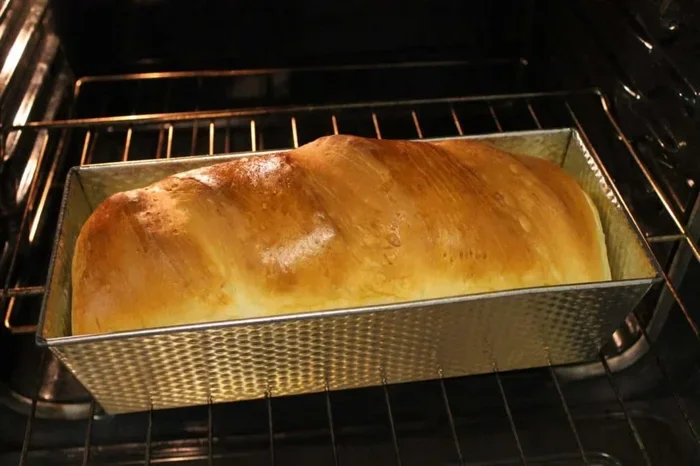
Yes, you can use aluminum pans in a toaster oven. In fact, many people prefer disposable aluminum pans for small-batch cooking. They are lightweight, affordable, and conduct heat well. But there are still some guidelines to follow for aluminum safety.
Best Aluminum Pans for Toaster Ovens
Not all aluminum pans are created equal. Here is what to look for when choosing one:
- Thin disposable pans: Great for reheating and small meals. They heat up quickly and cool down fast.
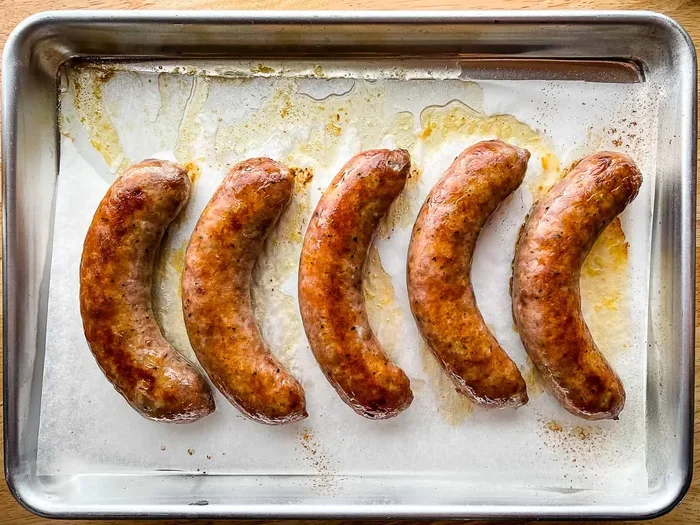
- Rimmed baking sheets: These work well for cookies, toast, and roasted vegetables.
- Deep aluminum trays: Good for dishes that produce a lot of drips or liquids.
- Rounded aluminum containers: Ideal for casseroles or small baked pastas.
Avoid using pans with plastic handles or non-stick coatings not rated for high heat. The toaster oven reaches temperatures that can melt plastic or damage certain coatings. Always check the oven safe materials label before placing any pan inside.
Tips for Cooking with Aluminum Pans
Here are some practical tips to get the best results from aluminum pans in your toaster oven:
- Place the pan on the middle rack for even heat distribution.
- Do not let the pan touch the sides of the oven, as this can block heat circulation.
- Use a slightly lower temperature than the recipe suggests, as aluminum heats up faster than glass or ceramic.
- Check your food a few minutes early, as aluminum pans can cause food to cook faster on the bottom.
- If the pan starts to discolor, that is normal and does not affect food safety.
What Are the Risks of Using Aluminum in a Toaster Oven?
Every kitchen tool comes with some risk. Aluminum is no different. Understanding the potential dangers helps you avoid accidents and use aluminum more safely.
Fire Hazard
The biggest risk is fire. When aluminum foil or pans touch the heating elements, sparks can fly. These sparks can ignite nearby food particles, paper, or grease. In a small toaster oven, the risk is higher because the heating elements are close to the food and the interior walls.
To reduce fire risk, always keep aluminum away from the walls and elements. Never leave a toaster oven unattended when using aluminum for the first time. Keep a fire extinguisher nearby as a precaution, especially if you use foil regularly.
Uneven Cooking
Aluminum reflects heat, which can sometimes lead to uneven cooking. If you cover too much of the oven interior with foil, heat cannot circulate properly. This means some parts of your food may be burnt while other parts are still cold.
This is especially true for toaster oven cooking with foil lining the entire tray. The reflected heat can create hot spots that cook the bottom of your food too quickly while leaving the top undercooked.
Aluminum and Acidic Foods
Here is one risk that many people do not know about. When aluminum comes into contact with acidic foods like tomatoes, lemon juice, or vinegar, a chemical reaction can occur. This reaction can cause a metallic taste in your food and may slightly increase aluminum leaching into the food.
While the amount of aluminum absorbed from cooking is generally considered safe for most people, it is still best to avoid prolonged contact between aluminum and acidic foods. If you must cook acidic dishes, use a glass or ceramic dish instead.
Damage to the Toaster Oven
Repeated misuse of aluminum can damage your toaster oven over time. Scratches from crumpled foil can damage the interior coating. Spark damage to the heating elements can reduce the oven’s efficiency. Over time, this means your toaster oven may not heat as evenly or may need replacement sooner.
What Does Your Toaster Oven Manual Say?
This is an important step many people skip. Every toaster oven model is different. The manufacturer knows the specific design, heating element placement, and safe operating conditions for that model. Checking the toaster oven manual before using aluminum is always a smart move.
Some manufacturers explicitly state whether aluminum foil and aluminum pans are safe for their models. Others may have specific temperature limits or placement guidelines. If you cannot find your manual, most brands post them online on their website. A quick search for your model number will usually bring up the digital version.
Do not guess when it comes to toaster oven safety. The manual is your best resource for understanding what your specific oven can handle.
Alternatives to Aluminum in a Toaster Oven
If you are not comfortable using aluminum, there are plenty of alternatives. These oven safe materials work just as well in most cases:
- Parchment paper: Great for lining trays. It is heat-resistant up to about 450°F and makes cleanup easy.
- Silicone baking mats: Reusable and non-stick. They work well for cookies and roasted vegetables.
- Glass dishes: Pyrex and other glass bakeware are safe for toaster ovens and do not react with food.
- Ceramic cookware: Many ceramic dishes are oven-safe and provide even heating.
- Stainless steel: Durable and safe for high-heat toaster oven use.
Each alternative has its own benefits. Parchment paper is the easiest to use for cleanup. Glass dishes are great for even cooking. Silicone mats are reusable and eco-friendly. You really cannot go wrong with any of these options.
Expert Tips for Using Aluminum in a Toaster Oven
Here are some expert-level tips that will help you get the best results and stay safe:
- Use the dull side of foil facing the food. The dull side actually reflects less heat, which can help prevent over-browning on top.
- Never preheat with foil inside. Place the foil only after the oven has reached temperature and food is inside.
- Check foil mid-cooking. Foil can shift during cooking. Check it periodically to make sure it has not moved close to an element.
- Do not use foil with sugary foods. Sugar can melt onto foil and create a sticky mess that is hard to clean.
- Dispose of foil after each use. Reusing foil increases the risk of it tearing and shifting during cooking.
These small habits make a big difference. They keep your toaster oven cooking experience safe and enjoyable every time.
Common Mistakes People Make with Aluminum in Toaster Ovens
Even experienced cooks make mistakes. Here are the most common ones to avoid:
- Lining the entire oven bottom with foil: This blocks airflow and traps heat, creating a fire risk.
- Using foil to cover the entire dish: Sealing food completely in foil traps steam and changes the texture of your food.
- Ignoring the manual: Every toaster oven is different. What works for one model may not work for another.
- Using foil at extreme temperatures: While aluminum handles normal cooking temps, pushing the oven to its maximum setting with foil increases risk.
- Leaving foil unattended: Always watch your toaster oven when using aluminum, especially the first few times.
Avoiding these mistakes will keep you safe and help your toaster oven last longer. A little attention goes a long way when it comes to aluminum in the toaster oven.
Quick Tips for Aluminum Foil in a Toaster Oven
Here is a quick reference guide for everyday use:
- Cut foil to the exact size of the food or tray.
- Keep at least one inch of space between foil and heating elements.
- Use foil only for short cooking periods, not for long slow cooks.
- Do not reuse foil that has touched raw meat or greasy foods.
- Dispose of used foil after each cooking session.
Conclusion
Can you put aluminum in the toaster oven? Absolutely. The key is doing it safely and with awareness. Whether you are using aluminum foil to cover food, lining a tray for easy cleanup, or cooking in an aluminum pan, the rules are simple. Keep foil away from heating elements, do not block airflow, and always check your toaster oven manual for model-specific guidance.
Using aluminum in a toaster oven can make your cooking life easier. It helps with cleanup, prevents over-browning, and cooks food evenly when used correctly. But it requires attention and care. Treat aluminum as a tool, not a shortcut, and you will get great results every time.
Remember the key takeaways from this article. Keep foil small and tucked away from elements. Use aluminum pans on the middle rack. Avoid acidic foods in aluminum when possible. And never leave your toaster oven unattended when using metal for the first time. With these practices in mind, you can confidently use aluminum in your toaster oven and enjoy safe, delicious meals every time.
The bottom line is simple. Aluminum is safe in the toaster oven when you respect the heat, follow the guidelines, and use common sense. Your toaster oven is a versatile kitchen tool, and aluminum is a helpful companion when used the right way. So go ahead, grab that foil or aluminum pan, and cook with confidence knowing you have the knowledge to do it safely.
Frequently Asked Questions
Is it safe to line the bottom of a toaster oven with aluminum foil?
No, lining the bottom of a toaster oven with foil is not recommended. It blocks airflow, traps heat, and can cause the oven to overheat. This increases the risk of a fire hazard. Instead, use parchment paper or place foil only on the rack to catch drips.
Can aluminum foil cause a fire in a toaster oven?
Yes, aluminum foil can cause a fire if it touches the heating elements or blocks airflow. Sparks can jump from the elements to the foil, igniting nearby food or grease. Always keep foil away from elements and never leave the oven unattended when using it.
What temperature can aluminum withstand in a toaster oven?
Aluminum can withstand the typical temperature range of a toaster oven, which is between 150°F and 450°F. Aluminum has a melting point of over 1,200°F, so normal cooking temperatures will not melt it. However, prolonged use at the highest settings can cause discoloration or warping.
Can you cook acidic foods in aluminum in a toaster oven?
It is best to avoid cooking acidic foods like tomatoes, lemons, or vinegar-based dishes in aluminum. The acid reacts with the metal, which can create a metallic taste and cause pitting on the surface. Use glass or ceramic dishes for acidic recipes instead.
Are disposable aluminum pans safe for toaster oven use?
Yes, disposable aluminum pans are safe for toaster oven use. They heat up quickly and work well for small meals, sides, and casseroles. Just make sure the pan does not touch the oven walls or heating elements, and avoid using pans with plastic handles.
Should I check my toaster oven manual before using aluminum?
Yes, absolutely. Every toaster oven model has specific guidelines about metal use. Some manufacturers may restrict foil or aluminum pan use entirely. Checking the manual ensures you are following the manufacturer’s recommendations for safe operation and warranty protection.