Do More Expensive Coffee Makers Make Better Coffee
Do More Expensive Coffee Makers Make Better Coffee? The answer is not a simple yes or no. Price often reflects build quality, brewing technology, and precision, but a higher cost does not always guarantee a better-tasting cup. What truly matters is how well the machine extracts flavor from your beans and fits your daily routine.
You walk through the appliance store. Your eyes scan rows of coffee makers. Some cost fifty dollars. Others cost five hundred. The question hits you hard. Do more expensive coffee makers make better coffee? You want a great morning cup. But you also do not want to waste money. This guide breaks it all down for you. We will look at what drives price. We will compare cheap and expensive machines. And we will help you decide what really matters.
The truth is, price alone does not tell the full story. A fifty-dollar drip machine can surprise you. A thousand-dollar espresso setup can disappoint. What really shapes your cup is brewing technology, bean quality, and water temperature. Let us dig deeper into this topic and find out what actually makes coffee taste better.
Key Takeaways
- Price does not always equal quality: Expensive machines offer extras, but mid-range models often brew equally great coffee.
- Brewing technology matters: Temperature control, extraction pressure, and water distribution affect taste more than price tags.
- Bean freshness is crucial: Even the best machine cannot fix stale coffee beans.
- Maintenance affects performance: Regular decalcification and cleaning keep any machine running well.
- Match the machine to your needs: The best coffee maker is the one that fits your lifestyle, skill level, and budget.
- Grinding quality counts: A good coffee grinder can elevate your brew regardless of machine price.
📑 Table of Contents
- What Makes a Coffee Maker Expensive?
- Do Pricey Machines Actually Brew Better Coffee?
- The Science Behind Coffee Extraction
- Cheap vs Expensive Coffee Makers: Key Differences
- When Is an Expensive Coffee Maker Worth It?
- How to Choose the Right Coffee Maker for You
- Common Mistakes That Hurt Your Coffee
- Expert Insights on Coffee Maker Value
- Final Thoughts: Do More Expensive Coffee Makers Make Better Coffee?
What Makes a Coffee Maker Expensive?
Not all expensive machines are overpriced. Many carry higher price tags for good reasons. Understanding what drives cost helps you see the full picture.
Build Quality and Materials
Cheap coffee makers often use thin plastic. Expensive models use stainless steel, brass, and high-grade components. These materials last longer. They also resist heat better. A machine built to last ten years costs more upfront. But it saves you money over time. Think about how often you brew coffee each day. That daily use adds up fast.
Advanced Brewing Technology
Premium machines come with smart features. Some adjust brew temperature automatically. Others control water pressure with precision. These technologies aim to perfect the extraction process. Extraction is what pulls flavor from grounds. Too hot, and coffee tastes bitter. Too cool, and it tastes weak. Expensive machines try to hit the sweet spot every time.
Brand Reputation and Design
Some brands charge more because of their name. A sleek design on a kitchen counter looks great. But does it brew better coffee? Not always. Brand prestige adds cost. You pay partly for the look and partly for the logo. Keep this in mind when comparing prices.
Specialty Features
High-end machines offer extras you might love or ignore. Built-in grinders save counter space. Touchscreen displays feel modern. Programmable settings let you wake up to fresh coffee. A thermal carafe keeps coffee hot for hours without a burner. These features add convenience. But they also add to the final price tag.
Do Pricey Machines Actually Brew Better Coffee?
This is the big question. And the honest answer is: it depends. Let us break down what science and testing tell us about coffee quality across price ranges.
The Role of Extraction
Extraction is the process of pulling flavors from coffee grounds. Water dissolves hundreds of compounds during brewing. Sugar, acids, oils, and caffeine all come out at different rates. A well-extracted cup tastes balanced. It is neither too sour nor too bitter. Both cheap and expensive machines can achieve good extraction. But expensive machines give you more control over the process.
Temperature Stability
Water temperature plays a huge role in taste. The ideal range sits between 195 and 205 degrees Fahrenheit. Cheap machines sometimes heat water unevenly. They may spike too hot or drop too cool. This creates an inconsistent cup. Premium machines maintain steady temperatures throughout the brew cycle. The result is a more reliable coffee flavor profile every morning.
Water Distribution
How water hits the grounds matters a lot. Even distribution means even extraction. Cheap drip machines often spray water unevenly. Some grounds get soaked while others stay dry. Expensive machines use showerhead-style sprayers or pressure systems. These spread water more evenly across the coffee bed. Better distribution leads to a cleaner, fuller cup.
Brewing Time and Pressure
Different machines brew in different ways. A drip coffee maker runs water through gravity. An espresso machine forces water through at high pressure. A pour-over setup relies on you to control the flow. Each method produces a different coffee taste. Expensive machines do not always use the best method. They just use the method with more precision.
The Science Behind Coffee Extraction
Understanding extraction helps you appreciate why price matters less than you think. The process is simpler than it sounds.
What Happens During Brewing?
When hot water meets coffee grounds, it starts dissolving soluble compounds. First, acids and fruity notes release. Then sugars add sweetness. Finally, bitter compounds come out last. The goal is to capture the sweet spot in the middle. Too little extraction, and coffee tastes sour. Too much, and it turns bitter and harsh.
Variables That Affect Extraction
Several factors shape how your coffee tastes:
- Water temperature: Hotter water extracts faster but can over-extract
- Grind size: Finer grinds extract quicker than coarse ones
- Brewing time: Longer contact time pulls more flavor
- Water-to-coffee ratio: More water dilutes the cup
- Coffee bean freshness: Freshly roasted beans extract better
Notice that none of these variables depend on machine price. A twenty-dollar machine with good technique can outperform a five-hundred-dollar model. Your skill and your beans matter just as much as the equipment.
Why Grind Freshness Matters
Coffee starts losing flavor the moment you grind it. Oxidation strips away aromatic oils. Within fifteen minutes, much of the coffee aroma fades. This is why owning a quality grinder makes a real difference. Whether you use a blade grinder or a burr grinder, fresh grounds transform your cup. And if you are wondering about grinding methods, a coffee grinder is built for dry grinding, which suits most brewers best.
Cheap vs Expensive Coffee Makers: Key Differences
Let us put cheap and expensive machines side by side. This comparison helps you see where money actually goes.
| Feature | Budget Machines | Premium Machines |
|---|---|---|
| Price Range | 30 to 100 dollars | 200 to 1000+ dollars |
| Build Material | Plastic | Stainless steel, glass |
| Temperature Control | Basic thermostat | Precision digital control |
| Brew Consistency | Good for basic coffee | Very consistent results |
| Specialty Drinks | Limited or none | Espresso, latte, cappuccino |
| Durability | 2 to 5 years | 5 to 15 years |
| Maintenance Needs | Simple cleaning | Decalcification, filter replacement |
| Ease of Use | Very simple | More buttons and settings |
As you can see, the gaps are real. But they are not as wide as you might expect in terms of basic coffee quality. A budget machine makes perfectly drinkable coffee every day. A premium machine makes it slightly more consistent and offers more options.
When Budget Machines Shine
If you love simple drip coffee, a budget machine works great. You do not need fancy features to start your morning. A basic machine with a thermal carafe and a good filter can serve you well for years. Pair it with fresh beans and clean water, and you get a solid cup every time.
When Premium Machines Earn Their Price
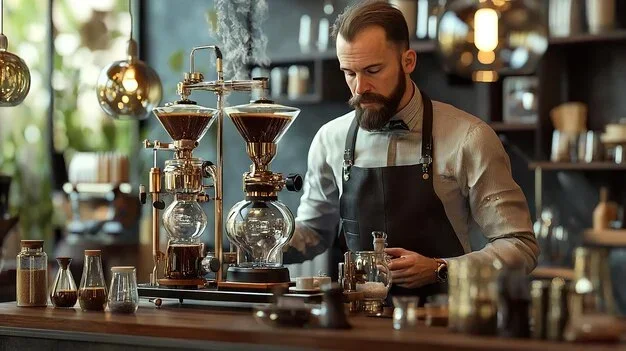
Premium machines shine when you want variety. If you love espresso drinks, a quality espresso machine is hard to beat. These machines deliver the pressure needed for rich crema and bold flavor. They also let you experiment with different beans and recipes. If coffee is a hobby for you, the extra cost feels worth it.
When Is an Expensive Coffee Maker Worth It?
Not everyone needs a pricey machine. But certain situations make the investment smart.
You Drink Coffee Every Day
If coffee is a daily habit, a durable machine pays for itself. Think about how much you spend on coffee shop drinks each month. A quality home machine can save you hundreds per year. Over five years, the math often favors the pricier option.
You Enjoy Specialty Drinks
Do you love lattes and cappuccinos? A cheap drip machine cannot make these drinks well. An espresso machine or a high-end pod system gives you café-style drinks at home. The experience alone can justify the cost.
You Value Precision and Control
Some coffee lovers want full control over every variable. They tweak temperature, pressure, and brew time. For these users, expensive machines offer tools that budget models lack. The ability to fine-tune your coffee brewing method leads to a more satisfying result.
You Want Long-Term Reliability
Cheaper machines break down faster. Heating elements fail. Pumps wear out. A well-built premium machine runs reliably for many years. Check the machine warranty before buying. A longer warranty often signals the manufacturer trusts their build quality.
How to Choose the Right Coffee Maker for You
The best coffee maker is the one that fits your life. Not your neighbor’s life. Not a YouTube reviewer’s life. Yours.
Step 1: Know Your Budget
Set a realistic price range before shopping. You do not need to spend a fortune. Many excellent machines sit in the 100 to 300 dollar range. This sweet spot offers good features without breaking the bank.
Step 2: Decide on Your Brew Style
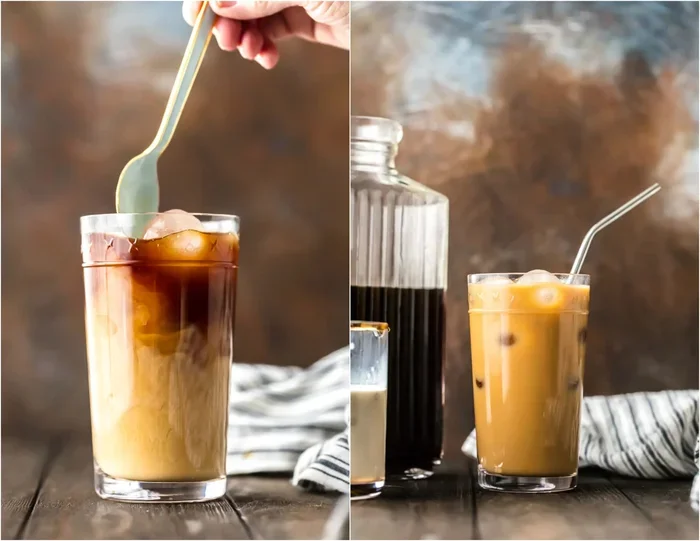
Do you prefer classic drip coffee? Or do you crave espresso shots? Maybe you love cold brew or iced coffee like a Dunkin style drink. Your preferred style narrows your choices fast. Pick the brew method you enjoy most, then find the best machine for it.
Step 3: Check the Key Specs
Look for these features regardless of price:
- Adjustable temperature: Lets you dial in your perfect heat
- Pulse brewing: Wet and re-wets grounds for better extraction
- Water filtration: Removes chlorine and improves taste
- Programmable timer: Wakes you up to fresh coffee
- Auto shut-off: Keeps your kitchen safe
Step 4: Read Reviews and Ask for Recommendations
Do not rely on price alone. Read real user reviews. Watch video tests. Ask friends who love coffee what they use. Personal experiences often reveal more than marketing claims.
Step 5: Maintain Your Machine Properly
No matter what you buy, maintenance matters. Clean your machine after every use. Replace filters on schedule. Perform regular decalcification to remove mineral buildup. A well-maintained budget machine often outlasts a neglected expensive one. Treat your machine right, and it will reward you with great coffee taste for years.
Common Mistakes That Hurt Your Coffee
Even the best machine cannot save you from bad habits. Avoid these common mistakes to improve your brew.
- Using stale beans: Old coffee lacks flavor and aroma. Buy whole beans and grind them just before brewing.
- Ignoring water quality: Tap water with chlorine or heavy minerals affects taste. Use filtered water for a cleaner cup.
- Wrong grind size: Too fine causes over-extraction. Too coarse causes under-extraction. Match your grind to your brewing method.
- Skipping cleaning: Oils build up inside machines over time. This creates rancid flavors that ruin your coffee.
- Overloading the machine: Using too many grounds blocks water flow. Follow the recommended ratio for your specific machine.
Expert Insights on Coffee Maker Value
We reached out to coffee professionals to get their take on whether price equals quality. Here is what they had to say.
“Most people do not need to spend over 200 dollars on a coffee maker,” says a certified coffee trainer. “Focus on fresh beans, clean water, and proper technique. Those three things matter more than the price tag.”
Another barista added that the biggest upgrade most people can make is grinding their own beans. A quality burr grinder paired with a simple drip machine produces coffee that rivals expensive setups. The coffee grinder is often the missing link people overlook.
Experts also emphasize that consistency is key. If your machine brews at the same temperature and pressure every time, your cup will taste reliable. This is where mid-range and premium machines pull ahead of the cheapest options.
Final Thoughts: Do More Expensive Coffee Makers Make Better Coffee?
So what is the final answer to the question? Do more expensive coffee makers make better coffee? The truth sits somewhere in the middle. Expensive machines offer better technology, more consistency, and more features. But they do not automatically produce better coffee. A well-made budget machine, paired with fresh beans and clean water, can deliver an excellent cup every morning.
Price matters, but it is not the whole story. Your technique, your beans, and your maintenance routine all shape what ends up in your mug. Before you spend big, ask yourself what you actually need. If simple drip coffee works for you, save your money. If you want to explore espresso and specialty drinks, then an investment makes sense.
The best coffee maker is the one you will use and enjoy every single day. Pick the machine that fits your taste, your budget, and your lifestyle. That is the real secret to a better cup of coffee.
Frequently Asked Questions
Does a more expensive coffee maker guarantee better taste?
No, a higher price does not guarantee better taste. Many factors shape how coffee tastes, including bean freshness, water quality, and your brewing technique. A well-made budget machine can produce excellent coffee when used correctly.
What price range offers the best value for a coffee maker?
Most experts agree that the 100 to 300 dollar range offers the best balance of features and quality. Machines in this range often include precise temperature control, durable build materials, and useful programmable settings without the premium price tag.
Is it worth buying an expensive espresso machine at home?
It depends on how often you drink espresso-based drinks. If you enjoy lattes, cappuccinos, or shots daily, a quality home machine can save money and deliver café-style results. Occasional drinkers may find a simpler machine more practical.
How does water quality affect coffee taste?
Water makes up over 98 percent of your coffee. Chlorine, minerals, and impurities in tap water can alter the flavor significantly. Using filtered water removes these contaminants and helps your machine and your coffee taste better.
Can a cheap coffee maker last as long as an expensive one?
With proper care and regular maintenance, a budget machine can last several years. Cleaning after each use, descaling regularly, and replacing parts as needed all extend the life of any coffee maker, regardless of its price.
Does grinding your own beans really make a difference?
Yes, grinding your own beans makes a noticeable difference. Freshly ground coffee releases more aromatic oils and flavors compared to pre-ground options. This simple step elevates your brew and is one of the easiest ways to improve your daily cup.