How To Enjoy Cold Brew Coffee Without The Bitterness
Cold brew coffee should be smooth, sweet, and refreshing — not bitter and harsh. This guide shows you exactly how to make cold brew coffee that tastes great every time. You will learn the simple steps to avoid bitterness, the right ratios to use, and expert tips that transform your brew from blah to brilliant.
There is nothing quite like a glass of cold brew coffee on a warm day. It is smooth, refreshing, and packed with caffeine. But sometimes, that first sip hits you with an unpleasant bitter taste. You are not alone. Many coffee lovers struggle with bitter cold brew, and the good news is that it is very easy to fix.
Cold brew coffee gets its name from the cold water extraction process. Instead of using hot water like regular coffee, cold brew steeps coffee grounds in cold or room-temperature water for many hours. This slow process pulls out the coffee’s natural sweetness and low acidity. But when something goes wrong in the process, bitterness sneaks in. This guide will show you exactly how to avoid that and enjoy smooth cold brew every single time.
Whether you are a complete beginner or someone who has been making cold brew for years, these tips will level up your game. You will learn the science behind bitterness, the best recipes, common mistakes to avoid, and creative variations to try. Let us dive in.
Key Takeaways
- Use the right coffee-to-water ratio: A 1:8 ratio for ready-to-drink cold brew or 1:4 for concentrate keeps bitterness low.
- Steep for the correct amount of time: 12 to 24 hours is the sweet spot. Going longer can introduce harsh flavors.
- Choose coarse grounds: A coarse grind prevents over-extraction, which is the main cause of bitterness.
- Use filtered water: The quality of water directly impacts the taste of your cold brew.
- Store and serve properly: Proper storage and dilution make a huge difference in flavor.
- Avoid common mistakes: Using too fine a grind, steeping too long, or using low-quality beans all lead to bitter cold brew.
- Try cold brew variations: Adding milk, sweeteners, or flavors can further smooth out any remaining bitterness.
📑 Table of Contents
What Is Cold Brew Coffee and Why Does It Get Bitter?
Cold brew coffee is simply coffee that has been steeped in cold water for a long time. The result is a concentrated coffee extract that is smooth, low in acidity, and rich in flavor. But not all cold brew tastes the same. Some batches come out bitter, and that can ruin the whole experience.
Bitterness in cold brew happens when the extraction process pulls out too many unwanted compounds from the coffee grounds. Think of it like steeping a tea bag for too long. The first few sips taste great. But leave it too long, and it turns harsh and astringent. The same thing happens with cold brew coffee.
The good news is that bitterness is almost always preventable. It usually comes down to just a few factors: grind size, steeping time, coffee-to-water ratio, water quality, and bean selection. Once you understand these variables, you are in complete control of your brew.
Cold Brew vs. Iced Coffee: What Is the Difference?
Many people confuse cold brew with iced coffee, but they are not the same thing. Iced coffee is regular hot-brewed coffee that is cooled down and served over ice. Cold brew coffee, on the other hand, is never exposed to heat. This fundamental difference affects the flavor profile significantly.
If you want to learn more about making iced coffee at home, check out How To Make Your Own Dunkin Iced Coffee for a great comparison of methods.
Because cold brew uses cold water extraction, it naturally produces a sweeter, less acidic cup. Iced coffee tends to be more bitter and acidic because hot water extracts more of the bitter compounds. This is one reason why cold brew coffee has become so popular among people who want a smoother coffee experience.
The Science Behind Cold Brew Bitterness
Understanding why coffee becomes bitter helps you prevent it. The extraction process is the key player here. When coffee grounds meet water, compounds dissolve into the liquid. Some of these compounds taste sweet and pleasant. Others taste bitter and harsh.
Hot water extracts compounds quickly. It pulls out both the good and the bad flavors fast. Cold water works much more slowly. It tends to grab the sweet, caramel-like compounds first and leaves the bitter ones behind. This is why properly made cold brew tastes so smooth.
But here is the catch. If you leave your coffee grounds in water for too long, the cold water will eventually start extracting those bitter compounds too. That is why steeping time matters so much. It is also why grind size is so important. A finer grind has more surface area, which speeds up extraction and can lead to over-extraction and bitterness.
Key Factors That Cause Bitterness
- Over-extraction: Steeping for too long pulls out bitter compounds.
- Fine grind size: More surface area means faster, uneven extraction.
- Wrong coffee-to-water ratio: Too much coffee relative to water creates a concentrated, harsh brew.
- Low-quality water: Chlorinated or hard water can add off-flavors.
- Old or stale beans: Stale coffee grounds taste flat and can turn bitter faster.
- High water temperature: Using warm or hot water instead of cold changes the entire extraction profile.
How To Make Smooth Cold Brew At Home
Making cold brew coffee at home is incredibly simple. You do not need any fancy equipment. Just a few basic supplies and a little patience. Here is everything you need to know to make a batch that is smooth, sweet, and completely free of bitterness.
Step 1: Choose the Right Coffee Beans
Start with fresh, high-quality whole beans. Medium to dark roasts work best for cold brew because they bring out chocolatey, nutty, and caramel notes that balance out any potential bitterness. Avoid using beans that are older than two weeks from the roast date. Fresh beans give you the best flavor and the smoothest result.
If you buy pre-ground coffee, make sure it is designed for cold brew or has a coarse grind setting. The grind size is one of the most important factors in preventing bitterness.
Step 2: Grind Your Coffee Coarse
Use a coarse grind, similar to the texture of sea salt. A coarse grind slows down extraction and gives you a cleaner, smoother cup. If you use a grind that is too fine, the water will extract too much too quickly, and you will end up with a bitter, muddy brew.
If you do not have a burr grinder, try to find a local coffee shop that can grind beans for cold brew. Many shops will do this for free or for a small fee. The right grind makes a massive difference in your final cup.
Step 3: Get the Coffee-to-Water Ratio Right
The ratio is one of the most important parts of making great cold brew. Here are the two standard ratios to follow:
- Ready-to-drink cold brew: Use a 1:8 ratio. This means 1 part coffee to 8 parts water. The result is a smooth, light brew that you can drink right away after straining.
- Cold brew concentrate: Use a 1:4 ratio. This gives you a strong concentrate that you dilute with water or milk before drinking.
For most people, the 1:8 ratio is the easiest to work with. It produces a balanced cup without the need for dilution. If you prefer a stronger brew, the 1:4 concentrate is a great option. Just remember to dilute it before drinking.
Step 4: Use Filtered Water
Water makes up more than 98 percent of your cold brew. The quality of your water matters a lot. Always use filtered water. Tap water that contains chlorine or heavy minerals can add unpleasant flavors to your brew. Good water lets the natural coffee flavors shine through without any interference.
Step 5: Steep for the Right Amount of Time
Place your coffee grounds and water in a jar or pitcher. Stir gently to make sure all the grounds are saturated. Cover the container and put it in the refrigerator.
Let the mixture steep for 12 to 24 hours. The sweet spot for most people is around 16 to 18 hours. This gives you a full-bodied, smooth brew without crossing into bitter territory. If you steep for longer than 24 hours, the risk of bitterness increases significantly.
If you are in a hurry, you can try a 12-hour steep. It will be lighter in flavor but still smooth. If you have more time, 20 hours is also a great option. Just do not exceed 24 hours.
Step 6: Strain and Store Properly
After steeping, strain the mixture through a fine-mesh cheesecloth or a coffee filter. Strain it slowly to get a clean, clear brew. If you see any sediment, let it settle for a few minutes before pouring.
Store your strained cold brew in a sealed container in the refrigerator. It will keep for up to 7 to 10 days. After that, the flavor starts to degrade, and it may develop off-tastes.
Common Mistakes That Make Cold Brew Bitter
Even experienced cold brew makers can fall into traps that lead to bitterness. Here are the most common mistakes and how to avoid them.
Using the Wrong Grind Size
This is the number one mistake people make. A fine grind might seem convenient, especially if you are using a regular coffee grinder. But fine grounds create a lot of surface area, which leads to over-extraction. Over-extraction is the primary driver of bitterness in cold brew. Always go with a coarse grind. It takes a little more effort to strain, but the results are worth it.
Steeping Too Long
More time does not mean better flavor. In fact, steeping beyond 24 hours almost always leads to a bitter, harsh brew. Set a timer or mark your calendar when you start the steeping process. This simple habit will save you from a bad batch every time.
Using Too Much Coffee
It is tempting to add more coffee grounds to make a stronger brew. But too much coffee relative to water creates an imbalanced extraction. The excess grounds release more bitter compounds than your cold water can handle. Stick to the recommended ratios and adjust to taste from there.
Skipping the Stir
Stirring your coffee and water mixture at the beginning ensures even saturation. Without it, some grounds are over-extracted while others are under-extracted. This uneven extraction leads to a confusing mix of flavors, including unwanted bitterness.
Neglecting Your Equipment
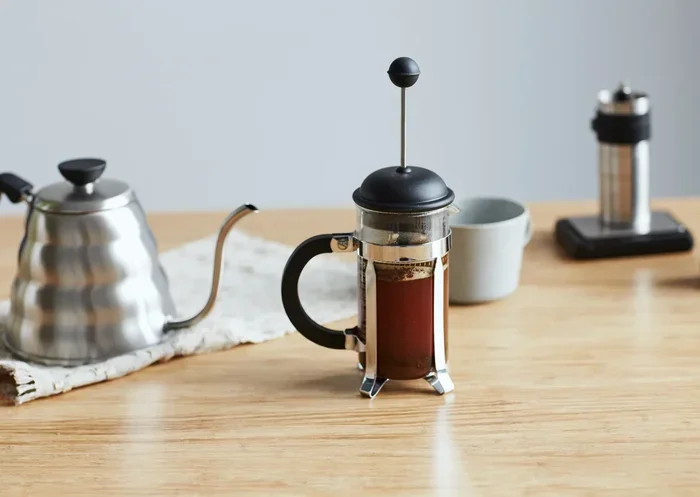
Clean equipment matters. Old coffee oils and residue can go rancid and add off-flavors to your brew. If you use a French press or a specialized cold brew maker, make sure it is thoroughly cleaned before each use. For regular coffee machines, maintenance like decalcifying your Keurig coffee maker helps ensure your equipment performs at its best and does not introduce unwanted flavors.
Tips For The Perfect Cup Every Time
Once you have the basics down, these extra tips will take your cold brew to the next level. These small adjustments make a huge difference in flavor and smoothness.
Use Room Temperature Water for Faster Extraction
Some brewers prefer to use room-temperature water instead of cold water from the fridge. Room-temperature water extracts flavors a bit faster and can produce a slightly sweeter result. If you try this method, reduce your steeping time to 8 to 12 hours and taste-test along the way.
Add a Pinch of Salt
This might sound strange, but a tiny pinch of salt added to your cold brew before serving can neutralize bitterness. Salt interacts with the taste receptors on your tongue and suppresses the perception of bitter flavors. It does not make your coffee salty. It just makes it smoother. Try it and you will be amazed.
Dilute to Taste
If you make cold brew concentrate, always dilute before drinking. Start with a 1:1 ratio of concentrate to water or milk. Then adjust based on your preference. Some people prefer a 1:2 ratio for a milder cup. Experiment until you find what works best for you.
Sweeten Naturally
Natural sweeteners like honey, maple syrup, or vanilla extract can mask any remaining bitterness and add depth to your cold brew. A little goes a long way. Start with a small amount and add more to taste. Avoid refined sugar if you want a more natural flavor profile.
Serve Over Plenty of Ice
Ice not only keeps your cold brew cold but also slightly dilutes it as it melts, which can soften any harsh edges. Fill your glass with ice first, then pour the cold brew over the top. This keeps the drink cold and refreshing from first sip to last.
Cold Brew Variations To Try
Once you master the basic smooth cold brew recipe, it is fun to experiment with different flavors and styles. Here are some popular variations that are easy to make at home.
Vanilla Cold Brew
Add a splash of vanilla extract or a vanilla bean to your steeping water. The vanilla adds a sweet, aromatic note that pairs beautifully with the smooth coffee flavor. Let it steep with the coffee for 12 to 16 hours, then strain as usual.
Milk Cold Brew
Instead of diluting with water, try diluting your cold brew with milk or a milk alternative. Oat milk and almond milk are popular choices that add creaminess and natural sweetness. This creates a rich, latte-like drink without the need for a machine.
Mocha Cold Brew
Add a tablespoon of cocoa powder to your coffee grounds before steeping. The result is a chocolatey, mocha-flavored cold brew that feels indulgent but is still refreshing. Sweeten with a little honey for the perfect balance.
Spiced Cold Brew
Add a cinnamon stick, a few whole cloves, or a star anise pod to your steeping water. These warm spices add complexity and depth to your cold brew. Just remember to remove the spices before storing the finished brew.
Cold Brew Concentrate for Meal Prep
Making a large batch of cold brew concentrate is a great way to save time during the week. You can store it in the fridge and quickly mix a cup each morning. If you ever need to reheat leftover cold brew, you can use your oven to gently warm it up. For tips on reheating beverages properly, check out How To Use Oven To Reheat Food for helpful guidance on low-temperature reheating methods.
Conclusion
Enjoying cold brew coffee without bitterness is easier than you think. The secret lies in a few simple factors: coarse grind, correct steeping time, the right coffee-to-water ratio, and good quality water. When you get these elements right, every cup is smooth, sweet, and incredibly satisfying.
Avoid the common mistakes that lead to bitter cold brew, and do not be afraid to experiment with flavors and variations. Cold brew is a forgiving process, and even small adjustments can transform your results. Start with the basic recipe in this guide, taste as you go, and soon you will be making smooth cold brew that rivals your favorite coffee shop.
The best part is that once you master the technique, you will never go back to bitter, disappointing cold brew. You will have total control over your brew, and every glass will be a delight. So grab some fresh beans, fill a jar with cold water, and start your first batch today. Your taste buds will thank you.
Frequently Asked Questions
Why Does My Cold Brew Taste Bitter?
Bitterness usually comes from over-extraction, which happens when you steep for too long, use a grind that is too fine, or use too much coffee relative to water. Adjusting these three factors will almost always eliminate bitterness from your cold brew.
How Long Should I Steep Cold Brew Coffee?
The ideal steeping time is 12 to 24 hours, with 16 to 18 hours being the sweet spot for most people. Steeping beyond 24 hours increases the risk of extracting bitter compounds, so stick to the recommended range.
Can I Use Regular Ground Coffee for Cold Brew?
Yes, but the grind size matters a lot. Regular pre-ground coffee is often too fine for cold brew. If you can only find pre-ground, look for a coarse grind option or a grind specifically labeled for cold brew or French press.
Does the Type of Coffee Bean Affect Bitterness?
Absolutely. Medium to dark roast beans tend to produce smoother cold brew with fewer bitter notes. Light roasts can work too, but they may have a more pronounced acidity that some people interpret as bitterness.
How Long Does Cold Brew Last in the Fridge?
Strained cold brew keeps for 7 to 10 days in the refrigerator when stored in a sealed container. After that, the flavor starts to degrade and may develop off-tastes. For the best experience, drink it within the first week.
Can I Add Milk or Cream to Cold Brew?
Yes, adding milk or a milk alternative is a great way to soften any remaining bitterness and add creaminess. Oat milk and whole milk are popular choices that pair beautifully with cold brew coffee.
=== META TITLE ===
Enjoy Cold Brew Coffee Without Bitterness
=== URL SLUG ===
how-to-enjoy-cold-brew-coffee-without-bitterness