How To Filter Coffee Without A Machine The Easy Way
Filtering coffee without a machine is simpler than you think. You can use common household items like paper towels, cloth, cheesecloth, or a mesh strainer to brew a clean, delicious cup. This guide covers every easy method so you can enjoy great coffee anytime, anywhere.
There is nothing quite like a fresh cup of filter coffee without a machine. Whether your coffee maker broke down, you are camping in the woods, or you simply want to try something new, brewing coffee without a machine is totally doable. You do not need fancy equipment or expensive gadgets. In fact, some of the best cups of coffee come from the simplest methods. This guide will walk you through every easy way to filter your coffee at home using things you probably already have.
Filter coffee without a machine has been practiced for centuries around the world. People in many cultures have been brewing great coffee long before electric machines existed. Today, these traditional methods are making a strong comeback. Many coffee lovers are discovering that manual filtering gives them more control over the taste and strength of their brew. Plus, it is a fun and rewarding process. Let us dive into the best methods you can try right now.
Key Takeaways
- Multiple Methods Available: You can filter coffee using paper filters, cloth, cheesecloth, a mesh strainer, or even a clean kitchen towel.
- No Special Equipment Needed: Most methods use items you already have in your kitchen, making filter coffee without a machine accessible to everyone.
- Better Taste Control: Filtering coffee manually lets you adjust strength, flavor, and extraction to your personal preference.
- Save Money: Skip buying expensive coffee machines and still get excellent results with simple household items.
- Works in Any Situation: Perfect for camping trips, power outages, or when your machine breaks down unexpectedly.
- Quick and Easy: Most manual filtering methods take less than five minutes to set up and produce a great cup.
- Cleaner Cup: Proper filtering removes excess oils and fine grounds for a smoother, more enjoyable drink.
📑 Table of Contents
- Why Filter Coffee Without A Machine?
- Methods To Filter Coffee Without A Machine
- Step-By-Step Guide To Filtering Coffee Manually
- Tips For The Best Filtered Coffee
- Expert Insights On Manual Coffee Filtering
- Common Mistakes To Avoid
- Comparing Manual Filtering Methods
- Final Thoughts On Filtering Coffee Without A Machine
Why Filter Coffee Without A Machine?
You might wonder why anyone would want to filter coffee without a machine. The reasons are plenty. First, coffee machines can break down when you least expect them to. Second, not everyone has access to electricity or modern appliances. Third, some people prefer the hands-on approach to brewing. Whatever your reason, learning how to filter coffee manually is a valuable and rewarding skill.
Manual coffee filtering also gives you more control. You decide the water temperature, the grind size, and how long the coffee steeps. This level of control can actually produce a better cup than many machines. When you brew coffee without a machine, you become the barista. You get to experiment and find your perfect cup every single time.
Another big benefit is cost savings. Coffee machines can be expensive, and replacement parts add up over time. Using simple filtering methods costs almost nothing. You likely already have everything you need in your kitchen. So let us explore the different ways you can make great coffee without any special equipment.
Methods To Filter Coffee Without A Machine
There are several reliable methods for filtering coffee without a machine. Each method has its own advantages. Some produce a cleaner cup, while others are faster or more portable. Below, we cover the most popular and effective techniques you can start using today.
Using Paper Filters
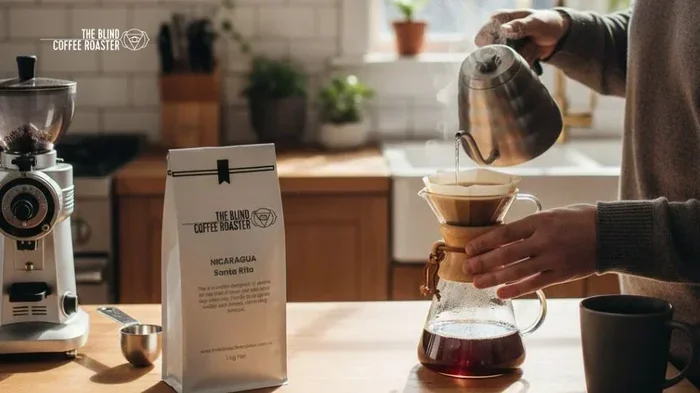
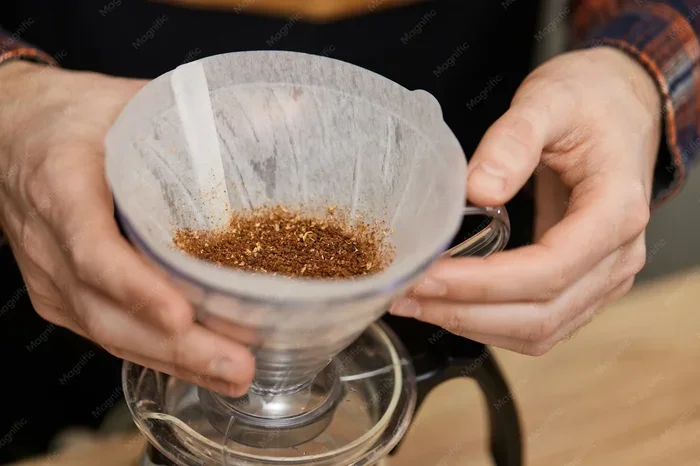
The paper filter method is the closest thing to using a standard coffee machine. If you have coffee filter paper at home, you are already halfway there. Simply place the filter in a pour-over dripper or even a clean colander. Add your coffee grounds and pour hot water over them slowly.
This method works well because paper traps fine grounds and oils. The result is a clean, smooth cup of coffee. You can use regular coffee filter paper or even cut filters from parchment paper. Just make sure the material is safe for hot liquids and food contact. A homemade coffee filter from parchment paper is a solid backup option when you run out of regular filters.
Quick Tip: If you do not have coffee filter paper, you can use a clean paper towel as an emergency coffee filter. It is not ideal for everyday use, but it works in a pinch. Just make sure the paper towel does not have any scents or lotions on it. This is one of the simplest alternative coffee filter solutions you can try.
Using Cloth Filters
Cloth filters are a popular choice for people who want a reusable option. A cloth coffee filter can be made from clean cotton, muslin, or even an old clean t-shirt. You simply place the cloth over a cup or mug, add the grounds, and pour hot water through.
Cloth filters allow more oils to pass through than paper filters. This gives the coffee a richer, fuller body. Many coffee enthusiasts prefer this taste. The trade-off is that cloth filters need to be cleaned after each use. Rinse them thoroughly and let them dry completely between uses to prevent bacteria buildup and stale flavors.
One thing to watch out for is that cloth can let some fine grounds through. To avoid this, use a finer weave cloth or double up the fabric. You can also let the coffee settle for a minute before pouring it through the cloth. This simple step makes a big difference in the final cup and is one of the best coffee brewing methods for experienced home brewers.
Using a Mesh Strainer or Sieve
A metal mesh strainer or sieve is one of the easiest alternative coffee filters you can use. Most kitchens have one lying around. Simply place the strainer over your cup or carafe, add the coffee grounds, and pour hot water through.
The mesh catches the larger grounds while letting the liquid pass through. However, a strainer alone does not filter out very fine particles. For a cleaner cup, you can combine this method with another step. Let the coffee sit for a few minutes after pouring, then use a second strainer or even a paper towel to catch the remaining sediment.
This method is great for making pour over coffee without any special equipment. It is fast, simple, and requires almost no cleanup. If you want a stronger cup, just use more coffee grounds or let the water steep longer. A simple coffee strainer like this turns any mug into a brewing vessel.
The Cheesecloth Method
Cheesecloth is another excellent option for filtering coffee without a machine. This thin, breathable fabric is commonly found in kitchens and craft stores. You can layer a few sheets of cheesecloth over a cup or mug and pour the coffee through it.
Cheesecloth works similarly to a cloth filter but is usually finer. It catches more sediment than a regular cotton cloth. The result is a cleaner cup with a pleasant texture. Many people use cheesecloth when they want to make large batches of coffee, like for a gathering or potluck. It is also a wonderful homemade coffee filter for straining already-brewed coffee from loose grounds.
You can also use cheesecloth to strain coffee that has already brewed. This is helpful if you have loose grounds at the bottom of your pot. Simply place the cheesecloth over a clean container and pour the coffee through slowly. It is a quick and effective way to get a grit-free cup every time.
Using a Clean Kitchen Towel or Napkin
A clean kitchen towel or napkin can serve as an emergency coffee filter when you are in a bind. This is one of the oldest and simplest methods for filtering coffee without a machine. Just place the towel over the opening of your cup, secure it with a rubber band or string, and pour the coffee through.
The towel will catch most of the grounds while letting the liquid pass through. It is not the most elegant solution, but it works surprisingly well. The key is to use a lint-free, clean towel. Avoid towels with strong detergents or fabric softeners, as these can affect the taste of your coffee and leave unwanted residues behind.
This method is perfect for camping trips, power outages, or when you have guests and no coffee filters on hand. It is also a great way to make coffee without electricity when you are off the grid or traveling. Keep a clean towel in your camping kit just for this purpose. It is a reliable coffee maker substitute that never lets you down.
Step-By-Step Guide To Filtering Coffee Manually
Now that you know the different methods, let us walk through a simple step-by-step process. This guide uses a basic pour-over approach that works with almost any filtering material. Follow these steps and you will have a great cup in minutes.
- Boil your water. Heat water to about 200 degrees Fahrenheit or just below boiling. The right brewing temperature is key to extracting the best flavors from your coffee grounds. Too hot and you risk bitterness; too cool and the coffee will taste weak.
- Prepare your filter. Place your chosen filtering material over a clean cup or carafe. If using paper, fold it to fit snugly. If using cloth or cheesecloth, layer it securely so it does not slip during pouring.
- Add the coffee grounds. Use about two tablespoons of coffee per six ounces of water. Adjust to your taste preference. A coarse grind works best for most manual methods. A fine grind can clog filters and create a gritty texture in your cup.
- Pour the hot water slowly. Start with a small amount of water to wet the grounds. Wait about 30 seconds. This step, called blooming, releases the gases from the coffee and improves overall extraction for a better coffee taste.
- Continue pouring. Add the remaining water in a slow, steady stream. Avoid pouring directly on the filter material to prevent tearing or overflowing. A gentle, circular motion works best for even saturation.
- Let it drip through. Wait for all the water to pass through the filter. This usually takes about three to four minutes depending on the amount of coffee and water you are using.
- Remove the filter and enjoy. Carefully take out the filter or cloth. Discard the used grounds and enjoy your freshly filtered coffee. Clean up is minimal with most of these methods.
Following these steps consistently will give you a reliable, great-tasting cup every time. Once you get comfortable with the process, you can experiment with water ratios, grind sizes, and steeping times. The beauty of filtering coffee without a machine is that you can customize every variable to suit your personal taste. Each cup becomes a little ritual that you look forward to.
Tips For The Best Filtered Coffee
Getting the perfect cup of manually filtered coffee comes down to a few simple details. Here are some proven tips to elevate your brew and impress your guests.
- Use fresh, quality beans. Freshly roasted coffee beans make a noticeable difference. Buy whole beans and grind them just before brewing for the best flavor and aroma in every cup.
- Grind size matters. A coarse grind works best for most manual filtering methods. A fine grind can clog cloth and paper filters and make the coffee gritty. Match your grind to your chosen filtering method for the best results.
- Get the water temperature right. Water that is too hot will over-extract and make the coffee bitter. Water that is too cool will under-extract and leave it weak. Aim for 195 to 205 degrees Fahrenheit for optimal coffee extraction.
- Use clean water. The quality of your water affects the taste of your coffee more than most people realize. Use filtered or bottled water if your tap water has a strong taste or odor that could affect your clean coffee flavor.
- Pre-wet your filter. If using paper or cloth, rinse it with hot water first. This removes any papery taste and preheats your brewing vessel for more consistent results.
- Keep ratios consistent. A good starting ratio is two tablespoons of coffee per six ounces of water. Adjust from there based on your preference and the strength you enjoy most.
- Store your coffee properly. Keep beans in an airtight container away from light and heat. This preserves freshness and flavor for longer and ensures every cup tastes great.
These tips apply whether you are using a paper filter, cloth, strainer, or cheesecloth. The fundamentals of great coffee brewing stay the same regardless of the method. Once you master these basics, you can brew coffee that rivals anything from a coffee maker substitute or a high-end machine. The control is entirely in your hands.
Expert Insights On Manual Coffee Filtering
Professional baristas and coffee experts agree that manual filtering is one of the most underrated skills in home brewing. Here are some expert insights to help you get the most out of your filter coffee without a machine experience.
Experiment with ratios. Most experts recommend starting with a 1:15 coffee-to-water ratio. This means one part coffee to fifteen parts water. From there, adjust based on your taste. Some people prefer a stronger brew at 1:13, while others like it lighter at 1:17. The beauty of manual filtering is that you can fine-tune every variable.
Pay attention to water quality. Coffee is about 98 percent water. If your water tastes bad, your coffee will taste bad. Many coffee professionals use filtered water with a balanced mineral content. This brings out the natural sweetness and complexity of the beans without adding any off-flavors.
Keep your equipment clean. Just like maintaining a coffee machine, keeping your manual filtering tools clean is essential. Old coffee oils can go rancid and affect the taste of your next brew. Clean cloth filters, strainers, and drippers after every use. A well-maintained setup ensures consistent, great-tasting drip coffee every single time.
Do not be afraid to adjust. Every bean, every roast level, and every water source is different. What works for one batch might not work for another. The best coffee drinkers are the ones who pay attention and make small adjustments. Trust your palate and keep refining your process.
Common Mistakes To Avoid
Even with the simplest methods, there are a few common pitfalls that can ruin your coffee. Avoiding these mistakes will help you get better results every time you brew.
- Using boiling water. Boiling water is too hot and will scorch the coffee grounds. This creates a bitter, unpleasant taste that is hard to fix. Let the water cool for about 30 seconds after boiling before pouring it over your grounds.
- Using too fine a grind. Fine grounds can slip through cloth and cheesecloth filters. They can also clog paper filters and slow down the brewing process significantly. Stick with a coarse or medium-coarse grind for the best results.
- Skipping the bloom. The blooming step is important for even extraction. Skipping it can result in uneven flavor and weaker coffee overall. Those 30 seconds make a real difference in the final cup.
- Pouring too fast. Rushing the pour can overflow the filter and wash out the grounds unevenly. Take your time and pour in a slow, steady circular motion for the most even extraction.
- Not cleaning your filter. Reusable cloth and mesh filters need regular cleaning. Old coffee oils can go rancid and affect the taste of your next brew. Clean them thoroughly after each use with hot water and mild soap if needed.
- Using dirty or stale water. The water quality matters more than many people realize. Bad-tasting water leads to bad-tasting coffee. Always start with clean, fresh water for the best possible flavor in your cup.
By steering clear of these mistakes, you will notice a significant improvement in the taste and clarity of your coffee. Filtering coffee manually is a skill that gets better with practice. Do not be discouraged if your first few cups are not perfect. Keep experimenting and you will find your sweet spot. Soon, filter coffee without a machine will feel like second nature to you.
Comparing Manual Filtering Methods
Each method for filtering coffee without a machine has its own strengths and weaknesses. Here is a quick comparison to help you choose the best option for your needs and situation.
| Method | Pros | Cons | Best For |
|---|---|---|---|
| Paper Filter | Cleanest cup, traps oils and fine grounds | Not reusable, costs extra over time | Everyday home brewing |
| Cloth Filter | Reusable, rich flavor, eco-friendly | Requires regular cleaning, may let some grounds through | Regular daily use |
| Mesh Strainer | Fast, easy, no extra supplies needed | Lets fine particles through to the cup | Quick cups and emergency brewing |
| Cheesecloth | Fine weave, catches most sediment effectively | Not reusable, can tear with rough handling | Large batches and post-brew straining |
| Kitchen Towel | Always available, zero extra cost | May add lint, not ideal for daily use | Emergency and camping situations |
As you can see, each method has its place in the kitchen. For everyday use, a cloth or paper filter gives the best results and the cleanest cup. For quick cups or emergency situations, a strainer or towel works well and gets the job done. The beauty of filter coffee without a machine is that you have options. You can switch between methods based on what you have available and what kind of cup you are in the mood for. Having a backup plan for your coffee is always a smart move.
Final Thoughts On Filtering Coffee Without A Machine
Filtering coffee without a machine is easier and more rewarding than most people think. You do not need expensive equipment or special skills. With just a few simple household items, you can brew a clean, delicious cup of coffee anytime. Whether you are at home, camping, or dealing with a broken coffee machine, these methods have you covered.
Start with the method that feels most comfortable to you. Try the paper filter approach for a clean, bright cup, or go with a cloth filter for a richer, fuller body. Experiment with different grind sizes and water ratios until you find your perfect combination. The more you practice, the better your coffee will become. Each brew teaches you something new about your own taste preferences and what you love most in a cup of coffee.
Remember that filter coffee without a machine is not just a backup plan. It is a legitimate and enjoyable way to brew coffee that many people prefer over machine-made coffee. The process slows you down and lets you appreciate each step of the brewing journey. You become more connected to your morning ritual and more mindful of the flavors in your cup. So grab your favorite beans, pick a method, and start brewing. Your perfect cup of coffee is just a few minutes away. If you want to explore more coffee ideas, check out how to make your own Dunkin iced coffee for refreshing cold brew options. And if you already own a coffee machine, remember to keep it in top shape by learning how to decalcify a Keurig coffee maker regularly. Proper maintenance ensures your machine lasts longer and brews better coffee. Finally, keeping your kitchen clean and organized helps with every aspect of coffee making, from brewing to cleanup. For tips on maintaining a spotless kitchen, see how to clean a Whirlpool oven and keep your cooking space in great shape.
Frequently Asked Questions
Can I use a paper towel instead of a coffee filter?
Yes, a paper towel works as an emergency coffee filter in a pinch. Make sure it is a plain, unscented paper towel with no lotions or additives. Fold it into a cone shape and place it in your pour-over setup. It will catch most of the grounds, though it may not produce as clean a cup as a proper coffee filter. This is one of the simplest alternative coffee filter solutions you can try when you are out of supplies.
What is the best grind size for filtering coffee manually?
A coarse grind works best for most manual filtering methods. It prevents clogging and reduces the amount of fine sediment in your cup. If you use a too-fine grind, it can pass through cloth and cheesecloth filters and make your coffee gritty. Think of the texture of coarse sea salt for reference. Adjust to medium-coarse if you find your current grind too fine for your filtering setup.
How do I clean reusable cloth coffee filters?
Rinse your cloth filter thoroughly with hot water after each use. Gently rub away any stuck coffee grounds. For a deeper clean, soak the cloth in warm water with a bit of baking soda for about 15 minutes. Rinse it well and hang it to dry completely before storing. Clean filters ensure your coffee taste stays fresh and free from old oils or residue that can go rancid over time.
Does filtering coffee without a machine change the taste?
Yes, it can. Different filtering materials affect the final taste in different ways. Paper filters remove more oils, resulting in a cleaner, brighter cup. Cloth filters let more oils through, creating a richer, fuller body. Metal strainers catch fewer particles, giving you a heavier mouthfeel. The method you choose directly impacts the coffee extraction and overall flavor profile of your brew.
Can I make cold brew coffee without a machine?
Absolutely. Cold brew is one of the easiest ways to enjoy coffee without electricity. Simply combine coarse coffee grounds with cold water in a jar, stir, and let it steep in the fridge for 12 to 24 hours. Strain the mixture through a cloth or cheesecloth to remove the grounds. The result is a smooth, refreshing concentrate perfect for hot days. It is a wonderful alternative to hot brewed coffee and very easy to prepare.
How long does manually filtered coffee take to brew?
Most manual filtering methods take between three and five minutes total. The blooming step adds about 30 seconds, and the actual dripping process takes another two to four minutes depending on the amount of coffee and water you are using. This is comparable to many automatic machines but gives you more control over the process. The slight extra time is well worth the customizable results you get every time you brew.
=== CONCLUSION ===
Filtering coffee without a machine is a simple, practical, and enjoyable skill that everyone can learn. Whether you prefer paper filters, cloth, a mesh strainer, or cheesecloth, there is a method that fits your needs and your kitchen. These techniques have been used for generations, and they continue to produce excellent cups of coffee every single day.
The key is to start simple, follow the basic steps, and experiment until you find your perfect routine. Do not worry about getting it right on the first try. Every cup you brew teaches you something new about your own taste preferences. Soon, filtering coffee manually will feel like second nature. You will wonder how you ever managed without these simple methods.
So the next time your machine is out of order or you find yourself in a situation with no coffee maker handy, you will know exactly what to do. Filter coffee without a machine and enjoy a great cup with confidence. Happy brewing!