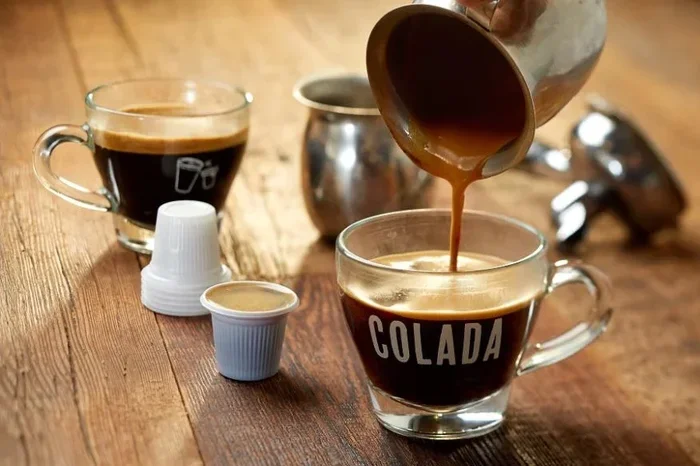
How To Make Colada Cuban Coffee The Ultimate Guide
Colada Cuban coffee is a strong, sweet espresso drink that brings people together in Cuban culture. This guide shows you exactly how to make colada Cuban coffee at home with simple steps and authentic techniques. You will learn the Cuban coffee recipe, the right equipment, and how to serve it the traditional way.
There is something magical about a cup of colada Cuban coffee. It is more than just a drink. It is a tradition. A moment of connection. A taste of Cuban culture in every sip. If you have ever tasted authentic Cuban espresso and wondered how to recreate that bold, sweet flavor at home, you are in the right place. This guide will walk you through everything you need to know about making colada coffee. From the history to the ingredients to the step-by-step process, you will have all the tools you need. By the end, you will be brewing colada like a pro in your own kitchen.
Let us be honest. Coffee is one of the most important parts of daily life for millions of people around the world. But not all coffee is created equal. Colada Cuban coffee stands in a category of its own. It is strong. It is sweet. And it is meant to be shared. Unlike your regular drip coffee, colada is a concentrated espresso drink that packs a punch. It is the kind of coffee that wakes you up and keeps you going. Whether you are a coffee lover looking to try something new or someone with Cuban roots wanting to reconnect with your heritage, this guide has you covered.
The beauty of colada Cuban coffee is that you do not need fancy equipment or hard-to-find ingredients. You need a few simple things and a little patience. That is what makes this drink so special. It is accessible to everyone. Once you learn the basics, you can experiment with variations and make it your own. So grab your favorite coffee mug, and let us dive into the world of colada coffee.
Key Takeaways
- Authentic Cuban coffee: Colada is a shared sweet espresso that is central to Cuban coffee culture and tradition.
- Simple ingredients: You only need coffee grounds, sugar, and hot water to make a real colada at home.
- The espuma matters: The sugar foam is what gives colada its signature creamy texture and sweet flavor.
- Right equipment helps: A stovetop espresso maker or Moka pot is the best tool for brewing authentic Cuban coffee.
- Serving is social: Colada is meant to be shared in small cups, making it a communal coffee experience.
- Easy to customize: You can make iced colada or adjust sweetness to fit your taste preferences.
📑 Table of Contents
What Is Colada Cuban Coffee?
Colada Cuban coffee is a traditional Cuban espresso drink that is sweetened with sugar during the brewing process. The word “colada” means “pour” in Spanish. This refers to the way the espresso is poured over the sugar to create a rich, creamy foam called espuma. The result is a small but mighty cup of strong coffee that is full of flavor and sweetness.
This drink is deeply rooted in Cuban culture. In Cuba, coffee is not just a beverage. It is a social ritual. People gather around to share colada from a single server. The small cups called “cafecitos” are filled and passed around. It is a way of connecting with family and friends. Even in Cuban communities outside of Cuba, the tradition of sharing colada lives on. It is a symbol of warmth, hospitality, and love.
The Origins of Cuban Coffee
Coffee has been part of Cuban history for centuries. It was introduced to the island in the 18th century and quickly became a major crop. Cuban coffee grew in the mountainous regions, especially in the Sierra Maestra. The climate and soil created perfect conditions for growing high-quality coffee beans. By the 19th and early 20th centuries, Cuba was one of the top coffee producers in the world.
The Cuban coffee tradition of making colada developed from the need to make the most of strong espresso shots. Cuban immigrants brought this tradition to places like Miami, Tampa, and New York City. Today, Cuban espresso is enjoyed in Cuban communities across the globe. The colada method of brewing and serving has remained largely unchanged. It is a beautiful example of how food and drink can carry culture across borders and generations.
What Makes Colada Different from Regular Coffee?
There are a few key things that set colada Cuban coffee apart from your average cup of joe. First, the brewing method. Colada is made with espresso, not drip coffee. This means the water is forced through finely ground coffee at high pressure. The result is a much more concentrated and flavorful drink.
Second, the sugar. In a regular colada, the sugar is mixed with the first few drops of espresso to create a thick, creamy foam. This is called espuma or “la espumita.” This foam is what gives colada its unique texture and sweetness. Regular coffee does not have this step. Third, the serving style. Colada is meant to be shared. It comes in a larger pitcher-style container and is poured into small cups for everyone to enjoy.
Another difference is the strength. A single serving of colada is very concentrated. It has much more caffeine than a regular cup of coffee. This makes it perfect for a quick energy boost. If you are used to weak, watery coffee, colada will be a wake-up call in the best way possible.
Ingredients You Will Need
Making colada Cuban coffee at home is simple because you need very few ingredients. The beauty of this drink is in its simplicity. Here is everything you will need to get started.
The Coffee Beans
The most important ingredient in any Cuban coffee recipe is the coffee itself. Traditional colada is made with dark-roasted Cuban coffee. Brands like Café Bustelo and La Llave are popular choices in Cuban communities. These are pre-ground coffees that are specifically designed for stovetop espresso makers. They have a bold, rich flavor that is perfect for colada.
If you want to go the extra mile, you can buy whole coffee beans and grind them yourself. Freshly ground coffee always tastes better. Look for dark-roasted beans with flavors of chocolate and caramel. The grind should be very fine, similar to what you would use for an espresso machine. Using the right grind is essential for getting the best extraction and flavor.
Sugar and Sweetener Options
Traditional colada Cuban coffee uses white granulated sugar. The sugar is what creates the espuma, so it plays a crucial role in the final product. Some people use brown sugar for a deeper, more caramel-like flavor. You can also use raw cane sugar, which is called “turbinado” and has a slightly more natural taste.
For those who want to reduce their sugar intake, you can use alternative sweeteners. Stevia and monk fruit are popular options. However, keep in mind that the espuma may not form as well with these substitutes. The sugar is not just for sweetness. It also creates the creamy texture that makes colada so special. If you want the most authentic experience, stick with regular white sugar.
Equipment for Making Colada
You do not need an expensive espresso machine to make great colada Cuban coffee. The traditional tool is a stovetop espresso maker, also known as a Moka pot. These are affordable and widely available. They come in different sizes, but a 3-cup or 6-cup Moka pot works perfectly for making colada.
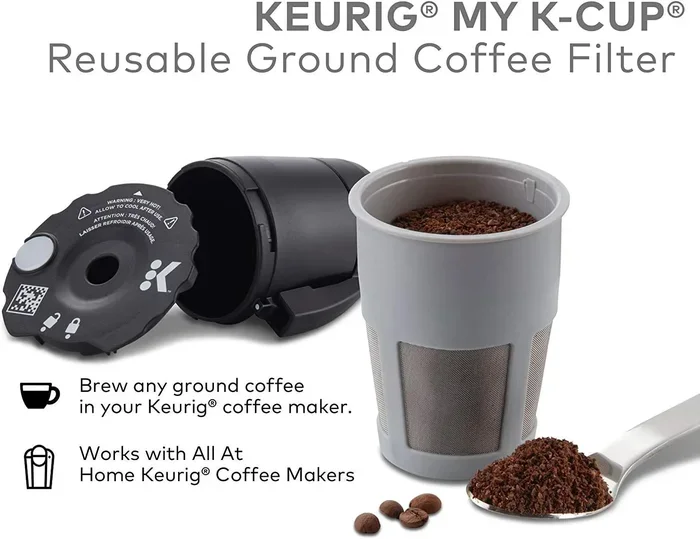
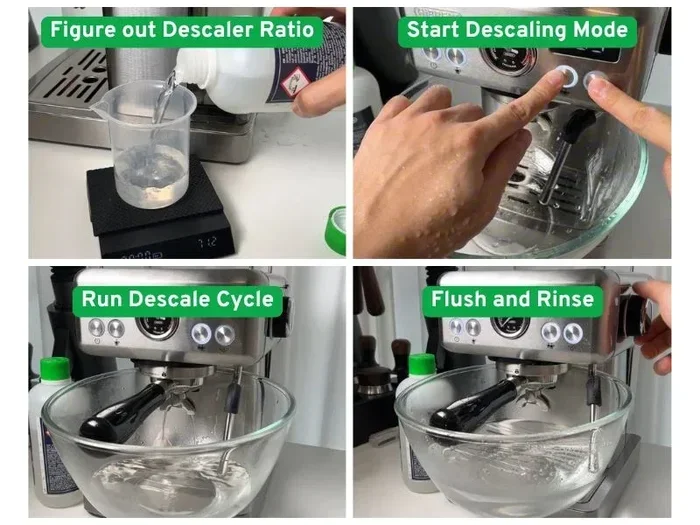
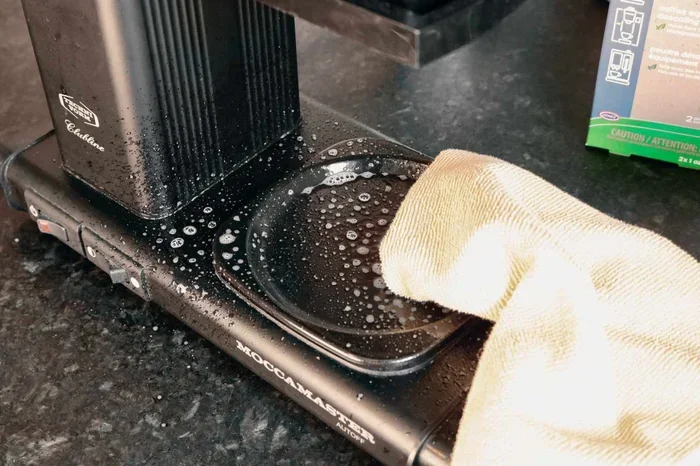
You will also need a small mixing bowl or the top part of the Moka pot to make the espuma. A wooden spoon or a small whisk works well for beating the sugar and espresso together. That is really all you need. No fancy gadgets required. If you already have a coffee maker at home, you can also use it, though the results may vary slightly from the traditional method. For maintenance tips on keeping your equipment in top shape, check out how to decalcify your Keurig coffee maker to ensure the best tasting brew every time.
Step-by-Step Colada Recipe
Now that you have your ingredients and equipment ready, let us get into the fun part. Making colada Cuban coffee is a straightforward process. Once you do it a few times, it becomes second nature. Follow these steps carefully, and you will be rewarded with a delicious, authentic cup of Cuban coffee.
Step 1: Prepare Your Coffee Grounds
Start by filling the bottom chamber of your Moka pot with cold water. Fill it just below the safety valve. Next, add the coffee grounds to the filter basket. Use a fine grind and fill the basket level with the top. Do not pack the grounds too tightly. You want the water to flow through evenly. Using too much pressure can cause the coffee to taste bitter.
If you are using pre-ground coffee like Café Bustelo, you are already set. Just measure out about two tablespoons of grounds for a small colada. For a larger batch, you can scale up accordingly. The key is to use enough coffee to make a strong, concentrated brew. This is not the time to be shy with the grounds. Cuban espresso is all about bold flavor.
Step 2: Brew the Espresso
Place the Moka pot on the stove over medium heat. Let the water heat up and push through the coffee grounds. You will hear a gurgling sound as the coffee starts to brew. This is a good sign. Keep the lid open so you can watch the process. The coffee will flow into the top chamber.
Once you hear a hissing sound, remove the pot from the heat immediately. Do not let it boil dry. The coffee should be rich and dark. If it looks watery, you used too little coffee or the grind was too coarse. You want a thick, syrupy consistency. This concentrated brew is the base of your colada Cuban coffee. Set it aside and let it cool for just a minute or two.
Step 3: Make the Espuma (Foam)
This is the most important step in making authentic colada. The espuma is what separates this drink from regular espresso. Start by putting about one tablespoon of sugar into a small bowl or cup. Pour the first few drops of hot espresso directly onto the sugar. Just a small amount. Maybe a teaspoon or two.
Now, using a spoon or a small whisk, start beating the sugar and espresso together. Stir vigorously and continuously. You are trying to create a thick, creamy paste. This should take about one to two minutes of constant stirring. The mixture will turn light brown and fluffy. It should look like whipped cream. This is your espuma, and it is the soul of colada Cuban coffee.
Once the espuma is ready, add the rest of the brewed espresso to the bowl. Stir gently to combine. The hot espresso will melt the foam slightly, creating a beautiful sweetened coffee base. The result should be smooth, creamy, and perfectly sweetened. This step is what makes the whole difference in flavor.
Step 4: Combine and Serve
Pour the sweetened coffee into a small cup or cafecito cup. The traditional serving size is about 2 to 3 ounces. It is small but mighty. If you are making a full colada to share, pour the remaining coffee into a larger pitcher and serve it in small cups for everyone.
Serve the colada while it is still hot. The espuma will settle a bit as it cools, but it will still have a lovely creamy texture on top. If you want to serve it cold, you can pour it over ice for an iced version. More on that later. For now, enjoy your freshly brewed colada Cuban coffee the traditional way. Take a small sip, savor the bold flavor, and appreciate the ritual.
Tips for the Perfect Colada Coffee
Making great colada Cuban coffee is all about the details. Here are some expert tips to help you get the best results every time.
Get the Right Grind Size
The grind size is critical for a good colada. You want a very fine grind, almost like powdered sugar. If the grind is too coarse, the water will pass through too quickly and the coffee will be weak and sour. If it is too fine, the water will struggle to pass through and the coffee will be over-extracted and bitter.
If you are using a pre-ground coffee, you are probably fine. But if you are grinding your own beans, invest in a good burr grinder. Blade grinders tend to create an uneven grind, which can lead to inconsistent extraction. A burr grinder gives you a uniform fine grind that is perfect for Cuban espresso. Take the time to get this right. It makes a huge difference in the final cup.
Master the Sugar Foam
The espuma is the star of the show. Do not skip it or rush it. Properly beaten sugar foam is what gives colada its signature texture. If your espuma is not forming, try adding a few more drops of espresso to the sugar and keep stirring. The ratio of sugar to espresso for the foam is usually about one tablespoon of sugar for every two tablespoons of espresso.
Some people like to add a tiny pinch of salt to the sugar. This can enhance the sweetness and balance out any bitterness. It is a small trick that makes a big difference. Practice makes perfect with the espuma. After a few tries, you will develop a feel for the right consistency and speed.
Common Mistakes to Avoid
One of the biggest mistakes is using too much water in the Moka pot. This will dilute your coffee and make it weak. Another mistake is letting the coffee boil for too long. Remove the pot from the heat as soon as you hear the hissing sound. Overcooked coffee tastes bitter and loses its smooth flavor.
Do not use pre-ground coffee that is too old. Fresh coffee grounds make a world of difference in taste. If your coffee grounds have been sitting in the pantry for months, they will lose their flavor and aroma. Store your coffee in an airtight container away from heat and light. And finally, do not be afraid of the sugar. Colada is supposed to be sweet. If you make it too bitter, you are not doing it justice.
How to Serve and Share Colada Coffee
Part of what makes colada Cuban coffee special is how it is served. In Cuban culture, coffee is a social event. It is not meant to be drunk alone in silence. It is meant to be shared with the people around you. This is one of the most beautiful aspects of the tradition.
The Social Tradition
In Cuba and Cuban communities, a colada is typically served in a larger container with small plastic cups. The host pours the coffee into each cup and passes them around. Everyone takes a small cup and enjoys it together. This is called “un cafecito” for each person, even though the colada itself is a larger batch.
The small cups are important. They keep the serving size manageable and allow everyone to taste the full strength of the espresso. If you are making colada at home, you can use small espresso cups or even tiny mason jars. The idea is to keep it casual and communal. Invite your friends or family over, brew a colada, and share it around. It is a wonderful way to connect over a shared love of great coffee.
What to Pair With Your Colada
Colada Cuban coffee pairs wonderfully with sweet pastries and baked goods. Traditional Cuban pastries like croquetas de guayaba (guava pastries) or pastelitos are classic choices. If you want something simple, a slice of toast with butter or a sweet bread roll works great.
If you are looking for a quick and easy side to go with your colada, try making garlic bread with garlic powder in the oven. It is fast, delicious, and pairs beautifully with the bold flavor of Cuban espresso. The buttery, garlicky bread complements the sweet and strong coffee perfectly. For a more traditional pairing, you can also make homemade bread without an oven and yeast, which gives you a soft, fresh bread that is perfect alongside a warm cup of colada.
Popular Colada Variations
Once you have mastered the traditional colada Cuban coffee recipe, you can start experimenting with variations. There are many fun ways to put your own spin on this classic drink.
Iced Colada Cuban Coffee
During hot summer months, iced colada is a refreshing twist on the classic. Simply brew your colada as usual and let it cool to room temperature. Then pour it over a glass filled with ice. You can add a splash of milk or cream if you like. Some people even add a little vanilla extract for extra flavor.
For a pre-made reference on making great iced coffee at home, you can check out how to make your own iced coffee using similar principles of strong coffee and sweetener. The key to a great iced colada is to make sure the coffee is strong enough to hold up against the melting ice. Use a little extra coffee grounds or brew a slightly smaller batch to keep the concentration high.
Decaf and Low-Sugar Options
If you are sensitive to caffeine, you can make decaf colada. Just use decaf coffee grounds and follow the same process. The flavor will be slightly different, but the sweet, creamy texture will still be there. For a low-sugar version, reduce the amount of sugar used for the espuma. You can start with half the usual amount and adjust to taste. The goal is to find a balance that works for you while still keeping the spirit of the traditional drink alive.
Conclusion
Colada Cuban coffee is more than just a drink. It is a piece of culture, a moment of connection, and a burst of bold, sweet flavor in every cup. Making colada at home is easier than you might think. With just a few simple ingredients and a basic Moka pot, you can create an authentic Cuban coffee experience right in your own kitchen.
Remember the key steps. Use fine-ground dark roast coffee. Create a proper sugar foam for the espuma. Brew the espresso strong and concentrated. And most importantly, share it with the people you care about. That is the true heart of colada Cuban coffee. Whether you are enjoying it on a quiet morning or sharing it with friends at a gathering, this drink brings people together in the best way possible.
Now that you know how to make colada Cuban coffee, it is time to put your knowledge into action. Gather your ingredients, fire up your Moka pot, and brew yourself a cup of authentic Cuban coffee. You will not be disappointed. Once you taste homemade colada, you will never go back to regular coffee again. Enjoy the process, savor the flavor, and embrace the tradition. ¡Buen provecho!
Frequently Asked Questions
What is the difference between colada Cuban coffee and regular espresso?
The main difference is the sugar foam called espuma. Colada Cuban coffee has sweetened espresso with a creamy sugar foam on top, while regular espresso is just plain brewed coffee without any added sweetness. Colada is also typically served in a shared pitcher with small cups, making it a social drink.
Can I use a regular coffee maker instead of a Moka pot?
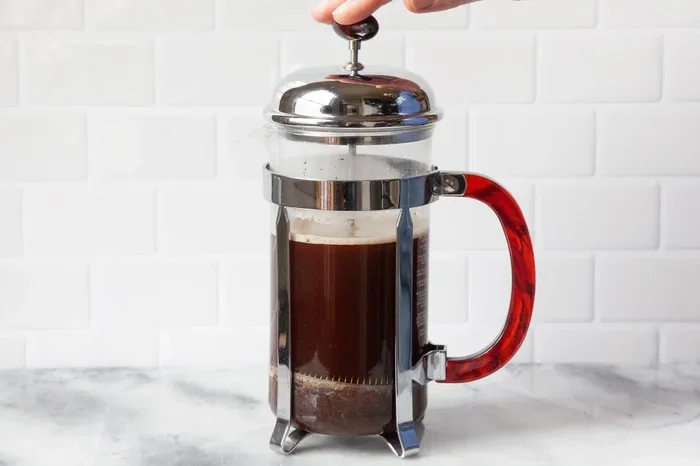
You can, but the flavor and texture will be different. A Moka pot creates a more concentrated espresso-like brew that is essential for authentic colada. Regular drip coffee makers produce a weaker brew that does not have the same bold flavor needed for this traditional Cuban drink.
How many servings does one colada make?
A standard colada recipe makes about 4 to 6 small servings. Each serving is typically 2 to 3 ounces. If you are using a 6-cup Moka pot, you can expect to fill around 5 small cups. You can easily scale the recipe up or down depending on how many people you are serving.
What type of sugar works best for colada?
White granulated sugar is the traditional choice and works best for creating the espuma. Some people prefer brown sugar for a deeper flavor, but white sugar creates the most authentic texture. Avoid using liquid sweeteners like honey or syrup, as they do not create the same creamy foam.
Can I make colada Cuban coffee without a Moka pot?
Yes, you can use an espresso machine if you have one. The key is to make a strong, concentrated espresso shot. However, a Moka pot is the most traditional and accessible option for making colada at home. It is affordable and widely available in most kitchen stores.
Is colada Cuban coffee the same as cafecito?
They are very similar. Both are sweetened Cuban espresso drinks. The main difference is that cafecito is usually a single serving, while colada is a larger batch meant to be shared among several people. Both use the same espuma technique and are staples of Cuban coffee culture.