What Oven Temp For Pot Roast And How To Get It Right
The ideal oven temp for pot roast is 300°F to 325°F for slow, even cooking that turns tough cuts into tender, juicy meals. Most beef pot roasts need 3 to 4 hours at this low heat to become fork-tender. Using a meat thermometer ensures your roast hits the safe internal temp of 145°F while staying moist and flavorful.
There is nothing quite like a home-cooked pot roast filling your kitchen with a rich, savory aroma. Whether you are feeding a family on a Sunday afternoon or meal prepping for the week ahead, pot roast oven temp is the single most important factor that determines your success. Get the temperature right, and you will end up with a tender, juicy roast that falls apart at the touch of a fork. Get it wrong, and you might end up with a tough, dry piece of meat that nobody wants to eat.
This guide covers everything you need to know about what oven temp for pot roast works best. We will walk you through the ideal temperatures, cook times, common mistakes, and expert tips that separate a good pot roast from a great one. By the end, you will feel confident enough to make the perfect roast every single time.
Key Takeaways
- Best Oven Temp: Cook pot roast at 300°F to 325°F for the most tender results.
- Cook Time: Plan for 3 to 4 hours depending on roast size and cut.
- Internal Temp: Aim for 145°F for safe, juicy beef pot roast.
- Right Cut Matters: Chuck roast, brisket, and round roast work best for oven braising.
- Resting Is Key: Let the roast rest 15 to 20 minutes before slicing.
- Avoid High Heat: Cooking too hot dries out the meat and ruins texture.
📑 Table of Contents
The Ideal Oven Temp For Pot Roast
When it comes to pot roast oven temperature, low and slow is the golden rule. The best oven temp for pot roast falls between 300°F and 325°F. At this range, the heat gently breaks down the tough connective tissues in the meat without drying it out. This process is called braising, and it is the secret behind every tender, flavorful roast.
Some cooks like to start at a slightly higher temperature of 350°F for the first 15 minutes. This helps brown the outside of the roast quickly. But after that initial sear, you should drop the heat down to 300°F or 325°F for the rest of the cook. This two-step approach gives you a beautiful crust while keeping the inside moist.
Why Low And Slow Works Best
Beef cuts used for pot roast, like chuck roast and beef brisket, contain a lot of collagen and fat. When you cook these cuts at high temperatures, the muscle fibers tighten up and squeeze out moisture. The result is a tough, chewy roast that no amount of gravy can save.
Low temperatures, on the other hand, allow the collagen to dissolve slowly into gelatin. This is what gives pot roast its melt-in-your-mouth texture. Braising temperature between 300°F and 325°F hits the sweet spot where the fat renders gently and the meat stays juicy throughout the entire cook.
Quick Comparison: Oven Temp For Pot Roast
| Oven Temperature | Cook Time (3 lb roast) | Result |
|---|---|---|
| 275°F | 4 to 5 hours | Very tender, mild browning |
| 300°F | 3 to 4 hours | Perfect tenderness, good crust |
| 325°F | 2.5 to 3.5 hours | Great balance of speed and tenderness |
| 350°F | 2 to 3 hours | Faster cook, risk of drying out |
| 400°F+ | 1.5 to 2 hours | Not recommended, often too dry |
As you can see from the table, 300°F to 325°F remains the sweet spot for most home cooks. It offers a great balance of cook time and tenderness without risking a dried-out roast.
How Long To Cook Pot Roast In The Oven
Temperature and time go hand in hand when making a beef pot roast. The general rule is to plan for about 30 minutes of cook time per pound of meat at 325°F. At 300°F, you might need closer to 40 minutes per pound. But these are just starting points. The real answer to how long to cook depends on several factors.
Factors That Affect Cook Time
Not all pot roasts are created equal. The size and shape of your roast, the specific cut you choose, and even the type of pan you use can all change the cook time. Here are the main factors to keep in mind:
- Weight of the roast: A 2-pound roast cooks faster than a 5-pound roast. Plan accordingly.
- Shape of the roast: Thicker roasts need more time than thinner, wider ones.
- Bone-in vs. boneless: Bone-in roasts take a bit longer because the bone insulates the meat.
- Type of beef: Tougher cuts like chuck roast need more time to break down than tender cuts.
- Covered vs. uncovered: Covering the roast traps moisture and speeds up cooking slightly.
Using A Meat Thermometer
The most reliable way to know when your oven-braised beef is done is to use a meat thermometer. Insert the probe into the thickest part of the roast, avoiding any bones. You want the internal temperature to reach at least 145°F for safe eating. For an even more tender result, many cooks prefer to cook the roast until it reaches 190°F to 200°F. At this range, the collagen has fully broken down, and the meat will be incredibly tender.
Pro tip: let the roast rest for 15 to 20 minutes after taking it out of the oven. The temperature will rise a few more degrees during resting, and the juices will redistribute throughout the meat.
Choosing The Right Cut Of Beef
You can technically make a pot roast with many different cuts of beef, but some work much better than others. The best cuts for oven roast dishes are those with plenty of marbling and connective tissue. These are typically the tougher, more affordable cuts that transform into something magical with slow cooking.
Top Cuts For Pot Roast
Here are the best beef cuts to use for your next pot roast:
- Chuck Roast: This is the most popular choice for pot roast. It has excellent marbling and breaks down beautifully during slow cooking.
- Brisket: Both the flat and point cuts work well. Brisket makes a rich, deeply flavored pot roast.
- Bottom Round Roast: Leaner than chuck but still tenderizes well with low and slow cooking.
- Top Round Roast: Another lean option that benefits from braising. It is more affordable and cooks well.
- Short Ribs: These are already incredibly flavorful and become super tender in the oven.
Avoid using lean cuts like sirloin or tenderloin for pot roast. They lack the fat and collagen needed for slow cooking and will likely turn out dry and tough. Beef stew meat can work in a pinch, but a whole roast gives you better results and a more impressive presentation.
Step-By-Step Pot Roast Recipe
Now that you know the right pot roast oven temp and timing, let us walk through a simple recipe that guarantees great results every time. This basic method works with any of the cuts mentioned above.
Step 1: Prep The Roast
Remove your roast from the refrigerator about 30 minutes before cooking. This lets it come closer to room temperature, which promotes more even cooking. Pat the roast dry with paper towels and season generously with salt and pepper. You can also add garlic powder, onion powder, or any dried herbs you like.
Step 2: Sear The Roast
Preheat your oven to 400°F. Heat a Dutch oven or heavy oven-safe pot over medium-high heat with a tablespoon of oil. Sear the roast on all sides until you get a deep brown crust, about 3 to 4 minutes per side. This step adds a lot of flavor through the Maillard reaction. Do not skip it if you want the best results.
Step 3: Add Aromatics And Liquid
Remove the roast and set it aside. In the same pot, add chopped onions, carrots, celery, and minced garlic. Cook for about 5 minutes until the vegetables soften. Pour in beef broth, red wine, or a combination of both. Scrape up any browned bits stuck to the bottom of the pot. These bits are packed with flavor.
Step 4: Braise In The Oven
Return the roast to the pot and add a bay leaf and a few sprigs of fresh thyme if you have them. Cover the pot tightly with a lid or aluminum foil. Place it in the oven and set your timer. Cook at 300°F to 325°F for about 3 to 4 hours, or until a meat thermometer reads 190°F to 200°F.
Step 5: Rest And Serve
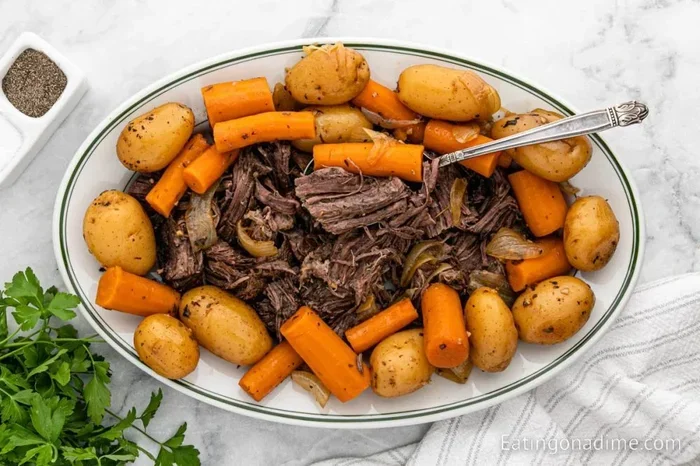
Remove the pot from the oven and let the roast rest for at least 15 minutes before slicing. Strain the cooking liquid and skim off excess fat. You can simmer the liquid on the stove to make a rich gravy. Slice the roast against the grain and serve with the vegetables and gravy.
Common Mistakes To Avoid
Even experienced cooks sometimes make mistakes when making pot roast. Knowing what to avoid can save you from a disappointing dinner. Here are the most common pitfalls and how to steer clear of them.
Using Too High A Temperature
This is the number one mistake people make. A hot oven might seem like a shortcut, but it will give you a tough, dry roast. Low and slow is not just a catchy phrase. It is the scientifically proven method for breaking down tough muscle fibers. Stick to 300°F to 325°F and trust the process.
Skipping The Sear
Some recipes skip the searing step to save time. While the roast will still cook, you will lose a significant layer of flavor. The brown crust on the outside of the roast adds depth and richness to the entire dish. Take the extra 15 minutes to sear properly.
Opening The Oven Too Often
Every time you open the oven door, heat escapes and your cook time increases. Try to resist the urge to peek. Use the oven light to check on your roast instead. Keep the oven door closed for at least the first 2 hours of cooking.
Not Letting The Roast Rest
Cutting into a roast right after it comes out of the oven causes the juices to run out onto the cutting board instead of staying in the meat. Give it at least 15 minutes of rest time. This simple step makes a noticeable difference in juiciness.
Using The Wrong Size Pot
Your roast should fit snugly in the pot with a little room around the edges. A pot that is too large will cause the liquid to evaporate too quickly. A pot that is too small will crowd the roast and lead to uneven cooking.
Expert Tips For The Perfect Pot Roast
Getting the oven temp for pot roast right is only half the battle. These expert tips will help you elevate your pot roast from good to outstanding.
Use Bone-In Cuts For More Flavor
Bone-in roasts add extra richness and depth to the braising liquid. The bone releases gelatin as it cooks, which gives the gravy a silky, luxurious texture. If you have the option, choose a bone-in chuck roast for the best flavor.
Add Root Vegetables In The Last Hour
If you want tender vegetables that are not mushy, add potatoes, carrots, and parsnips during the last hour of cooking. Vegetables added too early can break down completely and turn into mush. Adding them later gives you perfectly cooked veggies with some structure.
Try Different Liquids For Different Flavors
Beef broth is the classic choice, but you can mix things up. Red wine adds depth and complexity. Beer gives a rich, malty flavor. Even coffee can add an interesting depth to your pot roast. Experiment with different liquids to find your favorite combination.
Make Ahead And Reheat
Pot roast tastes even better the next day. The flavors have time to meld together and the meat absorbs more of the braising liquid. Cook your roast ahead of time, let it cool, and refrigerate it overnight. Reheat gently in the oven at 300°F covered with foil. This is also a great slow cooker alternative if you do not have time to cook it fresh.
Save The Cooking Liquid
Do not throw away the liquid left in the pot after cooking. It is packed with flavor from the beef, vegetables, and herbs. Strain it, skim the fat, and use it as a base for gravy or pour it over sliced roast for extra moisture.
How To Know When Your Pot Roast Is Done
Knowing the doneness of your roast is crucial for getting the perfect texture. Here are the signs to look for:
- The meat offers no resistance when pierced with a fork and falls apart easily.
- A meat thermometer reads 190°F to 200°F for maximum tenderness.
- The internal temperature has reached at least 145°F for food safety.
- The roast feels firm on the outside but soft and yielding in the center.
- The braising liquid has reduced and thickened slightly.
If your roast is not quite tender enough, you can always return it to the oven for another 30 to 60 minutes. Check it every 30 minutes until it reaches the desired tenderness. Oven-braised chuck roast benefits greatly from a little extra time, so do not be afraid to give it more cook time if needed.
Frequently Asked Questions
What is the best oven temperature for pot roast?
The best oven temp for pot roast is between 300°F and 325°F. This low temperature allows the tough connective tissues in the beef to break down slowly, resulting in a tender, juicy roast. Avoid temperatures above 350°F as they can dry out the meat before it has time to become tender.
How long does it take to cook a pot roast at 325°F?
At 325°F, a 3-pound pot roast typically takes about 2.5 to 3.5 hours to cook. The exact time depends on the cut of beef, the size of the roast, and whether it is bone-in or boneless. Always use a meat thermometer to check for doneness rather than relying solely on the clock.
Can I cook pot roast at 250°F?
Yes, you can cook pot roast at 250°F, but it will take longer. Expect about 4 to 5 hours for a 3-pound roast at this temperature. The lower temperature produces extremely tender meat but requires more patience. This approach works well if you want to start the roast early in the day.
Should I cover my pot roast while cooking?
Yes, covering the pot helps retain moisture and creates a steamy environment that tenderizes the meat. You can use a tight-fitting lid or cover the pot with aluminum foil. Some cooks prefer to uncover the roast for the last 30 minutes to allow the top to brown further.
What internal temperature is safe for pot roast?
The USDA recommends cooking beef to an internal temperature of at least 145°F for food safety. However, for the most tender pot roast, many cooks prefer to cook until the internal temperature reaches 190°F to 200°F. At this range, the collagen has fully broken down and the meat becomes incredibly tender and juicy.
Can I use a slow cooker instead of the oven for pot roast?
Absolutely. A slow cooker is a great alternative to oven braising. Set it on low for 8 to 10 hours or on high for 4 to 6 hours. The results are similar to oven-braised beef, though the texture may be slightly different. Many people find the slow cooker more convenient, especially for hands-off cooking throughout the day.
Conclusion
Getting the oven temp for pot roast right is the foundation of a perfect meal. Stick to 300°F to 325°F, plan for 3 to 4 hours of cook time, and always use a meat thermometer to check for doneness. Choose the right cut of beef, do not skip the sear, and let your roast rest before slicing. These simple steps will transform your pot roast from ordinary to extraordinary every time you cook.
Remember that low and slow braising is the key to unlocking the full potential of tougher, more affordable cuts of beef. The patience you invest pays off in every bite. Whether you are a beginner cook or a seasoned home chef, mastering the right oven temperature for pot roast is a skill that will serve you well for years to come. So preheat that oven, grab your Dutch oven, and get ready to make the most delicious pot roast you have ever tasted.