How To Decalcify Delonghi Coffee Machine Step By Step
Decalcifying your Delonghi coffee machine removes limescale and keeps your coffee tasting great. This simple step-by-step guide shows you exactly how to descale with vinegar, citric acid, or a commercial cleaner. You’ll learn the signs your machine needs descaling, the supplies you need, and how to run a perfect rinse cycle every time.
Your Delonghi coffee machine works hard every morning to deliver that perfect cup. Over time, minerals from water build up inside the system. This buildup is called limescale, and it can change the taste of your coffee. It can also slow down the brewing process and even damage internal parts. The good news is that fixing this is simple. You just need to know the right steps. This guide teaches you exactly how to decalcify Delonghi coffee machine models at home.
Descaling might sound technical, but it really isn’t. With a few common household items and about half an hour, you can restore your machine’s performance. I’ll walk you through the entire process. You’ll learn what signs to watch for, which descaling solution to choose, and the exact steps to follow. By the end, you’ll feel confident tackling this job yourself. Let’s get started.
Key Takeaways
- Regular decalcification prevents limescale and keeps your Delonghi machine performing at its best.
- You can use vinegar, citric acid, or a commercial descaler—each has pros and cons.
- The process takes about 30 minutes plus rinse time, and requires no special tools.
- Descale every 2–3 months if you have hard water, or monthly if you brew daily.
- Always run a full rinse cycle after descaling to remove any residual taste.
- Neglecting descaling can lead to bitter coffee, reduced flow, and permanent damage.
📑 Table of Contents
- Why Decalcifying Your Delonghi Coffee Machine Matters
- What You’ll Need Before You Start
- How To Decalcify Delonghi Coffee Machine: Step By Step
- How Often Should You Decalcify Your Machine?
- Common Mistakes To Avoid When Descaling
- Quick Tips for Best Results
- Expert Insight: Why Delonghi Machines Need Special Care
- Keeping Your Coffee Experience Fresh
- Conclusion
Why Decalcifying Your Delonghi Coffee Machine Matters
Limescale is a white, chalky deposit made of calcium and magnesium. These minerals are naturally present in tap water. When water heats up inside your machine, the minerals solidify and stick to surfaces. Over weeks and months, this layer builds up. It can coat the heating element, clog small tubes, and block the brew group. The result is coffee that tastes flat or bitter. Your machine might also take longer to heat up or make strange noises.
Regular descaling removes this buildup before it causes real problems. Think of it like changing the oil in a car. It keeps everything running smoothly. For Delonghi machines, descaling is especially important because they have delicate internal components. A well-maintained machine can last many years. It also brews at the right temperature, which brings out the full flavor of your coffee beans. If you live in an area with hard water, you should descale even more often.
Signs Your Delonghi Machine Needs Decalcifying
How do you know it’s time to descale? Look for these clear signs. First, your coffee takes longer to brew than usual. Second, the coffee tastes different—maybe metallic or slightly burnt. Third, you see white chalky residue around the steam wand or drip tray. Fourth, the machine makes louder grinding or gurgling sounds. Fifth, the “descale” light on your Delonghi model stays on. If you notice any of these, it’s time to clean the machine. Ignoring these signs can lead to bigger issues and costly repairs.
What You’ll Need Before You Start
Gathering your supplies ahead of time makes the process smooth and stress-free. You won’t need any special tools. Here is a simple checklist of what to have ready.
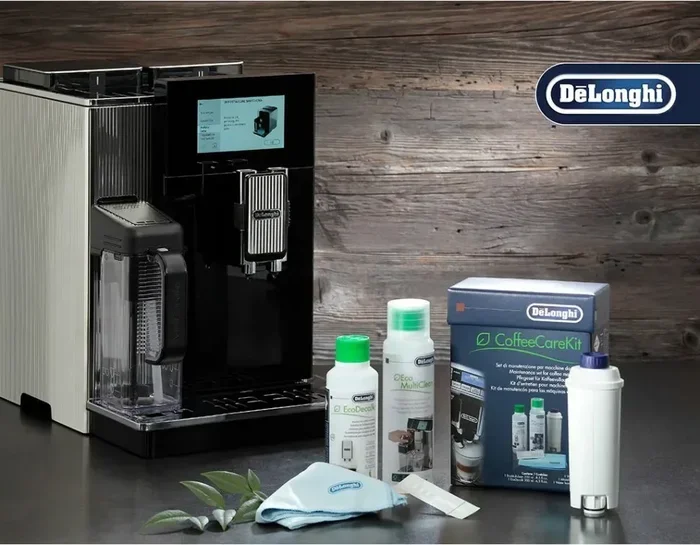
- Descaling solution: You can use white vinegar, citric acid, or a store-bought Delonghi descaler.
- Clean water: Fresh, cold water for rinsing and filling the tank.
- Empty container: A large jug or bowl to catch the liquid during the cycle.
- Soft cloth: For wiping down the outside and removable parts.
- Mild dish soap: Optional, for cleaning the drip tray and water tank.
Descaling Solutions Compared
Not all descalers are the same. Here is a quick comparison of the three main options you can use for your Delonghi machine.
| Solution | Pros | Cons |
|---|---|---|
| White Vinegar | Cheap, easy to find, natural | Strong smell, may leave a slight taste if not rinsed well |
| Citric Acid | No smell, dissolves limescale effectively, food-safe | Needs to be purchased, slightly more effort to measure |
| Commercial Descaler | Made for coffee machines, no rinsing worries, often includes cleaning tablets | Costs more, may contain chemicals you prefer to avoid |
For most home users, a mix of white vinegar and water works perfectly. If you dislike the vinegar smell, citric acid is a great alternative. I’ll show you the exact ratios in the next section.
How To Decalcify Delonghi Coffee Machine: Step By Step
Now let’s get into the heart of the guide. Follow these steps carefully for a thorough descaling. This process works for most Delonghi models, including the popular ECAM and Magnifica series.
Step 1: Prepare the Machine
Start by turning off your Delonghi machine and letting it cool down completely. Unplug it from the wall for safety. Remove the water tank and empty any remaining water. Take out the coffee pod holder or filter basket if your model uses one. Use a soft cloth with a little warm soapy water to wipe the water tank and drip tray. Rinse them well and dry them with a clean towel. This removes loose grounds and oils before you begin the descale cycle.
Step 2: Mix Your Descaling Solution
Fill the empty water tank with your chosen solution. If you are using vinegar, mix one part white vinegar with one part water. For citric acid, use one tablespoon of citric acid powder per liter of water. If you are using a commercial descaler, follow the instructions on the bottle exactly. Never use pure vinegar or pure citric acid without diluting it. Strong concentrations can damage the internal seals and tubing of your machine.
Step 3: Run the Descale Cycle
Place a large empty jug or bowl on the drip tray. Make sure the coffee outlet is positioned over the container. Plug the machine back in and turn it on. If your model has a descale program, press that button. If not, simply start a regular brew cycle without a coffee pod. Let the machine run until about half of the solution has passed through. Then turn the machine off and let it sit for 15 minutes. This soaking time helps the solution break down the limescale. After 15 minutes, turn the machine back on and let it finish brewing the rest of the solution into the container.
Step 4: Rinse Thoroughly
Empty the container that caught the used solution. Refill the water tank with fresh, clean water. Run another full brew cycle without any coffee pod or descaler. Repeat this rinsing cycle two to three times. This is crucial because any leftover vinegar or citric acid will affect the taste of your next coffee. After the final rinse, wipe the water tank and drip tray again with a damp cloth. Your Delonghi machine is now descaled and ready to brew great coffee.
How Often Should You Decalcify Your Machine?
The frequency depends on how often you use your machine and the hardness of your local water. As a general rule, descale your Delonghi every two to three months. If you brew multiple cups daily or live in a hard water area, aim for once a month. The machine’s descale indicator light will also tell you when it’s time. Never ignore that light. Running the machine with heavy limescale buildup puts extra strain on the heating element and pump.
Factors That Affect Descaling Frequency
- Water hardness: Hard water has more minerals, so scale builds up faster.
- Daily usage: A machine used several times a day needs more frequent descaling.
- Water temperature: Higher brewing temperatures can speed up mineral deposits.
- Type of water: Filtered or bottled water produces less scale than untreated tap water.
Keeping a simple schedule makes descaling part of your routine. Mark it on your calendar or set a phone reminder. Your coffee will taste better, and your machine will last longer.
Common Mistakes To Avoid When Descaling
Even a simple task like descaling can go wrong if you skip steps or use the wrong products. Here are the most common mistakes I see people make.
- Using lemon juice instead of vinegar or citric acid: Lemon juice contains sugars and can leave a sticky residue inside the machine. Stick to plain vinegar, citric acid, or a dedicated descaler.
- Skipping the rinse cycles: If you don’t rinse enough, your next pot of coffee will taste sour or vinegary. Always do at least two full rinse cycles.
- Forgetting to clean the brew group: The brew group is where the coffee extracts. Limescale can build up there too. Remove it if possible and rinse it under warm water during the descaling process.
- Using boiling water in the tank: Always use cold or room-temperature water. Hot water can warp the plastic tank and damage seals.
- Descaling too rarely: Waiting until the machine stops working properly means the limescale may already have caused internal wear. Be proactive.
Avoiding these simple errors keeps your Delonghi running like new. A little attention goes a long way.
Quick Tips for Best Results
- Use filtered water: It reduces mineral buildup and makes descaling less frequent.
- Descale after making a large pot: The machine’s internal parts are warm and the solution works more effectively.
- Keep a spare descaler on hand: Having citric acid or commercial descaler stored in your kitchen pantry means you never have to wait to start the process.
- Wipe the steam wand after each use: This prevents milk residue from mixing with limescale and creating blockages.
- Run a blank brew cycle once a week: This flushes out loose particles and keeps the tubes clear between full descaling sessions.
These small habits make a big difference. They keep your coffee tasting fresh and your machine in excellent condition for years.
Expert Insight: Why Delonghi Machines Need Special Care
Delonghi coffee machines are designed with precision. They use a thermoblock heating system and a special brew group that extracts coffee at the perfect temperature. Limescale can insulate the heating element, forcing the machine to work harder. This not only wastes energy but also shortens the lifespan of the pump. Delonghi recommends using their official descaling solution or a citric acid-based product. These are gentle on the rubber seals and plastic tubing inside the machine. Following the manufacturer’s descaling schedule ensures your warranty stays valid and your coffee keeps tasting its best.
If you ever feel unsure about any step, consult your Delonghi user manual. Each model may have slight variations in the descale cycle. The manual will also tell you where to find the water filter and how to remove the brew group safely. Taking a few extra minutes to read the manual can save you from accidental damage.
Keeping Your Coffee Experience Fresh
Descaling is just one part of coffee machine care. To get the most out of your Delonghi, always use fresh beans and clean water. Grind your coffee just before brewing for the best flavor. Empty the used grounds after each cycle. Wipe the exterior with a damp cloth to keep it looking new. A clean machine brews better coffee, and better coffee makes your mornings more enjoyable. These habits pair perfectly with regular descaling to keep your machine in top shape.
Further Reading
If you also own a Keurig and need help with that machine, check out our guide on how to decalcify a Keurig coffee maker. For other kitchen inspiration, you might enjoy learning how to roast whole almonds in the oven for a delicious snack. And when holiday cooking season arrives, don’t miss our step-by-step instructions on how to cook a turkey in oven overnight for a stress-free feast.
Conclusion
Now you know exactly how to decalcify Delonghi coffee machine models with confidence. Regular descaling removes limescale, improves coffee taste, and extends the life of your machine. The process is simple, fast, and requires only common household items or a dedicated descaler. By following the step-by-step instructions, avoiding common mistakes, and sticking to a regular schedule, you keep your Delonghi performing at its best. Your morning coffee will taste fresher, and your machine will run quieter and more efficiently. Start your next descaling session today and enjoy the difference a clean machine makes.
Frequently Asked Questions
Can I use vinegar to descale my Delonghi coffee machine?
Yes, white vinegar is a safe and effective option. Mix it with equal parts water and run it through the brew cycle. Be sure to rinse the machine thoroughly afterward to remove any vinegar taste.
How do I know if my Delonghi needs descaling?
Watch for slow brewing, a strange taste in your coffee, or a lit descale indicator light. White residue around the steam wand is another clear sign that limescale is building up inside.
What is the best descaling solution for Delonghi machines?
Delonghi sells its own branded descaler, which is gentle and effective. Citric acid and diluted white vinegar are also excellent alternatives that work well for most home users.
Can I skip rinsing after descaling?
No, rinsing is essential. Skipping rinse cycles leaves a residue that will make your coffee taste sour or chemical. Always run at least two full cycles with clean water after descaling.
How long does the descaling process take?
The active descaling cycle takes about 15 to 20 minutes. Add 15 minutes of soaking time and two to three rinse cycles, and the whole process is done in roughly 30 to 45 minutes.
Will descaling fix a machine that is already damaged by limescale?
Descaling can restore performance if the buildup is caught early. However, severe limescale damage to the pump or heating element may require professional repair or replacement of parts.